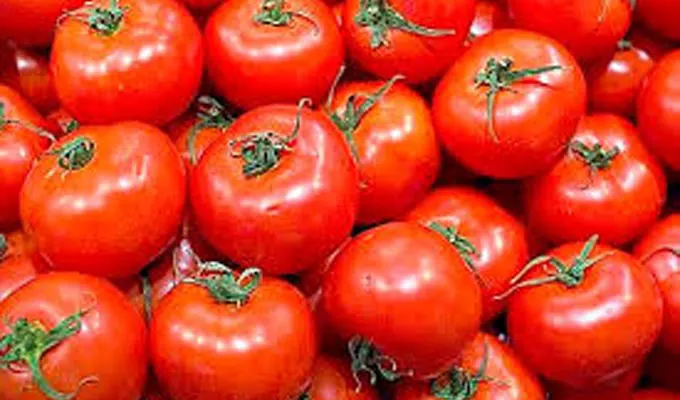
The Tunisian agricultural sector is bracing for a potential shortage of tomatoes, following a warning from Abdallah Sahraoui, president of the Manouba Regional Agricultural Union. Sahraoui alerted authorities to a reduced availability of tomatoes in the region, with concerns that the situation may worsen from November. While this declaration does not necessarily indicate a nationwide shortage, it has sparked concerns about the overall state of tomato production in the country.
To assess the scope of the issue, officials must first gather data on the areas dedicated to tomato and pepper cultivation in 2026. This involves surveying key production regions, including Manouba, Nabeul, Béja, Kairouan, and Sidi Bouzid. By comparing this data to previous years, authorities can determine if any decline in production is localized or widespread. Currently, these territorial statistics are not readily available, making it difficult to accurately gauge the situation.
While a reduction in cultivated areas may indicate a potential shortage, it is not the sole determining factor. Officials must also consider yields, harvested volumes, and market prices to understand the full scope of the issue. The evolution of prices will be particularly telling, as it may indicate if supply tensions are beginning to affect the market. By cross-referencing these indicators, authorities can develop a more comprehensive understanding of the situation.
The coming weeks will be crucial in establishing a precise picture of the 2026 harvest. Key questions include the number of hectares dedicated to tomatoes and peppers, regional variations in production, and actual yields. Without this data, it is difficult to confirm whether a nationwide shortage is imminent. For now, the warning from Manouba serves as an early alert, rather than a definitive prediction of a shortage.
The Tunisian agricultural sector is a significant contributor to the country's economy, with tomatoes being a major crop. Any disruption to production could have far-reaching consequences, including price increases and potential shortages in urban areas. As such, it is essential that officials take proactive steps to monitor the situation and address any emerging issues.
The issue highlights the importance of accurate and timely data in informing agricultural policy and decision-making. By gathering and analyzing data on production, yields, and market trends, officials can develop targeted strategies to support farmers and ensure a stable food supply. This is particularly crucial in regions like Manouba, where agriculture plays a vital role in the local economy.
As the situation continues to unfold, officials will be closely monitoring developments in the tomato and pepper sectors. While it is too early to confirm a nationwide shortage, the warning from Manouba serves as a timely reminder of the importance of proactive planning and data-driven decision-making in the agricultural sector. Key areas of focus will include tracking production trends, monitoring market prices, and supporting farmers to ensure a stable and sustainable food supply.
Key points
- A reduction in tomato and pepper cultivation areas in key Tunisian production regions has sparked concerns about a potential shortage.
- Officials are working to gather data on production, yields, and market trends to inform decision-making and mitigate any potential issues.
- The situation highlights the importance of proactive planning and data-driven decision-making in the agricultural sector.