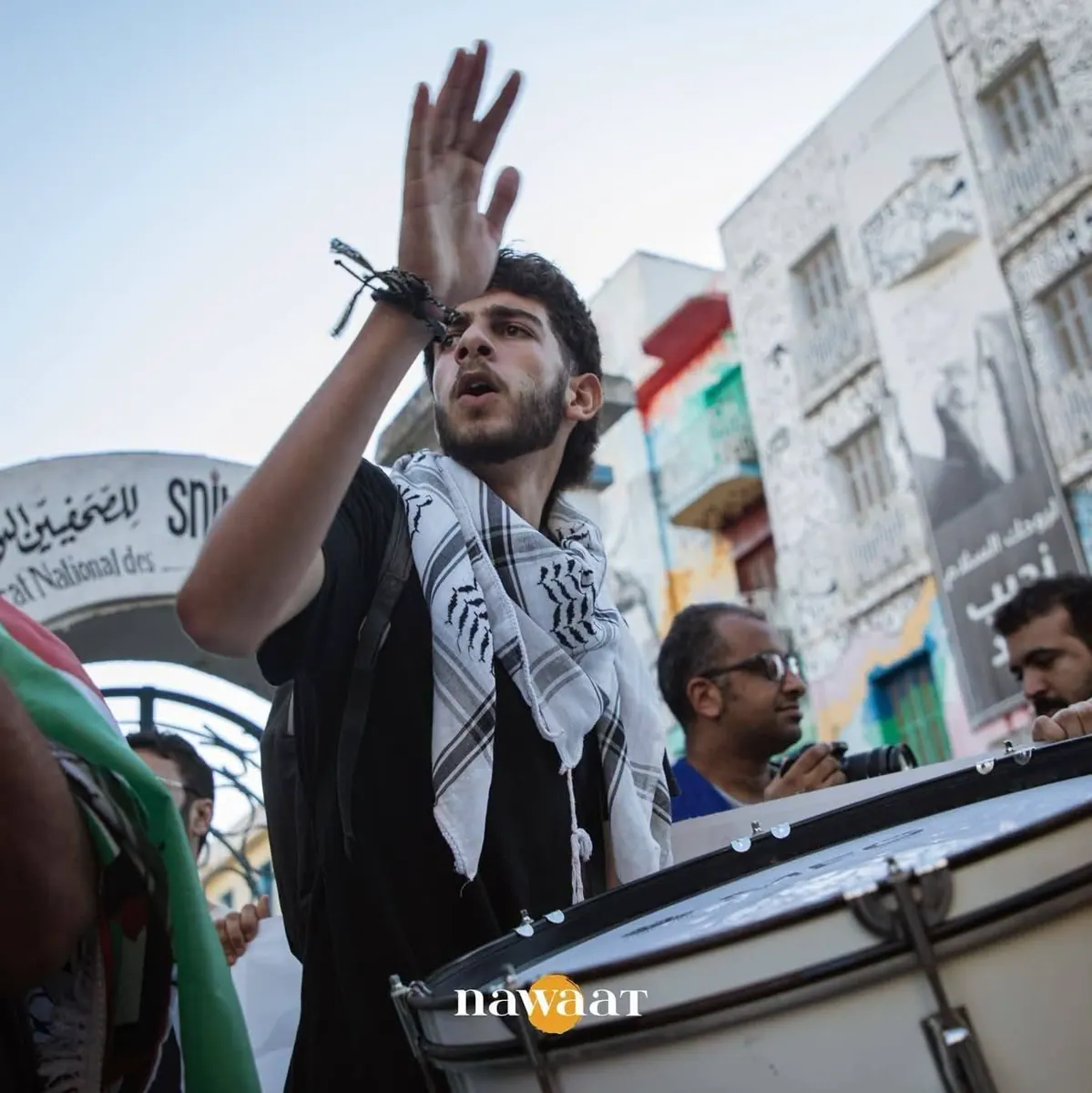
On October 6, 2026, 17-year-old Adam Mbarek was released from prison and reunited with his family in Raoued, near Tunis. His release comes after a two-week ordeal that sparked widespread outrage and solidarity across Tunisia. Mbarek was arrested on September 19, 2026, for participating in a citizen gathering in the capital, calling for the release of arrested militants from the "Flottille d'Al-Soumoud". His detention led to a national outcry, with hundreds of students mobilizing to demand his release and protection of his academic future.
Mbarek's arrest and subsequent detention were met with shock and solidarity from his peers and community. On September 25, 2026, a detention order was issued, leading to an outpouring of support from students in the Ariana and Raoued governorates. The case quickly gained national attention, with many calling for his release and protection of his academic future. The collective action of young people transformed Mbarek's case into a national cause for freedom of expression.
Following his release, President Kaïs Saïed intervened, instructing the Minister of Education to ensure Mbarek's immediate return to school. The President's directive ensured that Mbarek could resume his studies without delay, in optimal conditions. This move has been seen as a significant development in the case, bringing an end to a tumultuous two-week period for the teenager and his family.
Mbarek's detention and subsequent release have raised questions about the limits of free expression and assembly in Tunisia. His case has sparked a national conversation about the importance of protecting young people's rights and freedoms. As the country continues to navigate issues of social justice and human rights, Mbarek's story serves as a poignant reminder of the power of collective action and the importance of safeguarding individual liberties.
The teenager's release has brought relief to his family, friends, and community, who had been rallying behind him throughout his detention. The solidarity shown by students and citizens across Tunisia has been seen as a positive step towards promoting a culture of empathy and support. As Mbarek returns to his studies, his experience will likely have a lasting impact on his life and the lives of those who stood in solidarity with him.
The incident has also raised questions about the role of the judiciary and law enforcement in Tunisia, particularly in relation to minors. The swift intervention by the President and the Minister of Education has been seen as a positive step towards resolving the situation, but also raises questions about the potential for extrajudicial influence in such cases. As Tunisia continues to navigate issues of governance and human rights, Mbarek's case will likely be closely watched by human rights observers and citizens alike.
In the aftermath of his release, Mbarek will likely face a period of readjustment as he returns to his studies. His experience has already had a profound impact on his life and the lives of those around him. As Tunisia continues to evolve and grow, the story of Adam Mbarek serves as a powerful reminder of the importance of protecting individual freedoms and promoting a culture of solidarity and support.
Key points
- President Kaïs Saïed ordered Adam Mbarek's return to school after a two-week detention sparked national outcry.
- Mbarek's detention and release have raised questions about the limits of free expression and assembly in Tunisia.
- The case has sparked a national conversation about the importance of protecting young people's rights and freedoms.