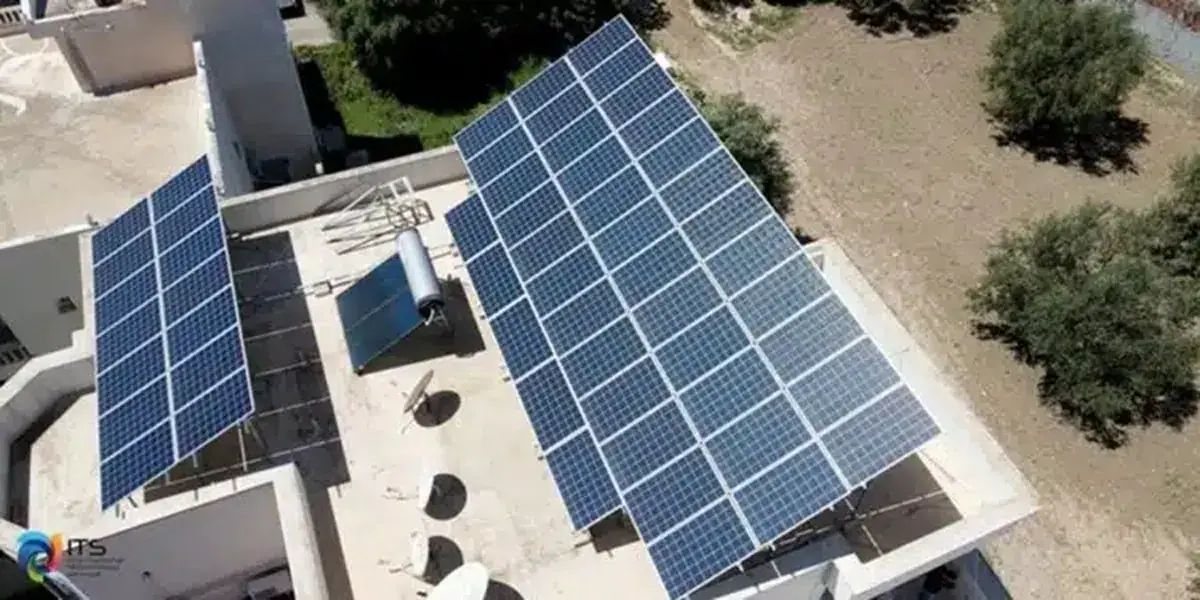
The Tunisian photovoltaic industry is facing a critical juncture as the national photovoltaic chamber, affiliated with the Tunisian Confederation of Industry, Commerce and Agriculture (UTICA), has called for a re-examination of two rejected articles from the 2027 finance law. These articles aimed to reduce customs duties on imported solar panels and exempt storage batteries from taxes. The chamber's appeal comes after the articles were rejected by the joint finance and budget committees of the Assembly of People's Representatives and the National Council of Regions and Districts on November 23.
The rejected articles 49 and 50 proposed significant changes to the taxation of solar energy equipment. Article 49 sought to exempt storage batteries from customs duties and value-added tax (VAT), while article 50 aimed to reduce customs duties on photovoltaic panels and collectors from 30% to 10%, with a reduced VAT rate of 7%. The photovoltaic chamber argues that the rejection of these articles may increase the cost of solar installations, hinder self-production of electricity, and delay the deployment of storage solutions, ultimately compromising the country's energy security and industrial competitiveness.
The debate surrounding the articles highlights the challenges of balancing industrial protection with the need for affordable solar energy equipment. Local manufacturers have expressed concerns that reduced customs duties could give imported products a competitive advantage, potentially harming domestic production and threatening jobs and local value added. They emphasize the importance of preserving investments already made in the sector and ensuring the viability of Tunisian enterprises.
The discussion in parliament has also raised questions about the capacity of national production to meet demand, manufacturing costs, and export prospects. Some lawmakers have requested precise data to assess the impact of fiscal measures on Tunisian companies before making changes to the customs regime. This concern for industrial protection underscores the complexities of policy choices facing the government.
The Tunisian transition to renewable energy is at a critical juncture, with the photovoltaic chamber urging parliament to reconsider the rejected articles in the interest of energy security and industrial competitiveness. The chamber's appeal emphasizes the need for a balanced approach that supports both the growth of the solar industry and the protection of domestic manufacturers.
The outcome of this debate will have significant implications for the future of Tunisia's solar energy sector. A decision that favors reduced customs duties and tax exemptions could make solar installations more affordable, stimulating demand and driving growth in the industry. Conversely, prioritizing industrial protection could safeguard local jobs and investments but may also limit the adoption of solar energy solutions.
As the Tunisian government navigates these competing interests, it must weigh the benefits of promoting renewable energy against the need to protect domestic industries. The final decision will depend on the government's priorities and its ability to balance short-term economic concerns with long-term energy and environmental goals.
Key points
- The Tunisian photovoltaic chamber is seeking a re-examination of two articles from the 2027 finance law that aimed to reduce customs duties on solar panels and exempt storage batteries from taxes.