The Tunisian private healthcare sector is sounding the alarm over a severe financial crisis, as payments from the National Health Insurance Fund (CNAM) have been delayed for eight months. According to the National Chamber of Private Clinics, the delayed payments have significantly impacted the sector's cash flow, making it difficult for clinics to pay staff salaries and suppliers. The situation has been described as "insupportable" by the sector.
The National Chamber of Private Clinics, which represents the interests of private healthcare providers, held an emergency general assembly on September 24 to address the issue. The assembly highlighted that CNAM's failure to pay for healthcare services rendered has put the sector in a precarious financial situation. The Chamber estimates that CNAM's payments account for between 30% and 70% of the clinics' revenue, depending on the region.
The delayed payments have not only affected the clinics' ability to pay staff and suppliers but also raised concerns about the sector's long-term sustainability. The National Chamber of Private Clinics has urged the authorities to intervene urgently to resolve the issue. The sector has also been impacted by unpaid debts from the Libyan state since 2016, further exacerbating the financial strain.
In addition to the CNAM payment delays, the private healthcare sector is also disputing the National Social Security Fund's (CNSS) demands for social contributions from clinics for freelance doctors, including radiologists and anesthesiologists. The CNSS considers these doctors as employees, while the National Chamber of Private Clinics argues that they work independently and receive direct payments from patients.
The National Chamber of Private Clinics has called for an immediate solution to the payment delays, including a payment schedule for outstanding debts from CNAM. The sector also seeks clarification from CNSS on the status of freelance doctors working in clinics and intervention from the authorities to settle the debts owed by the Libyan state.
Despite the financial challenges, private clinics have pledged to continue providing healthcare services to social security beneficiaries. However, they warn that their ability to do so may be compromised in the short term if urgent measures are not taken to address the financial crisis.
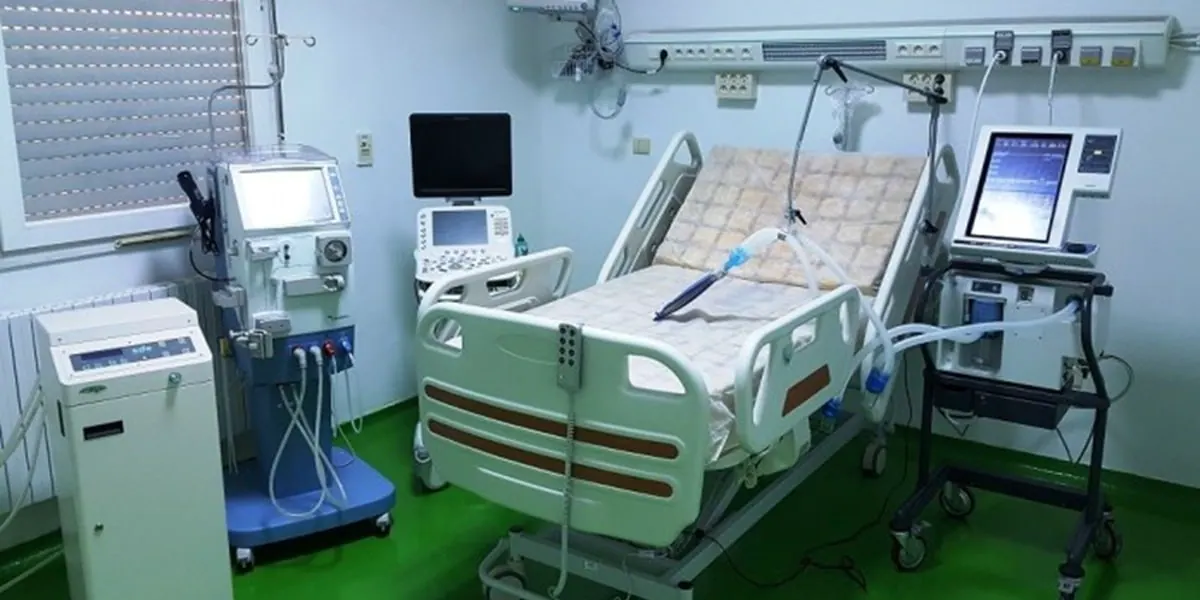
The private healthcare sector plays a significant role in Tunisia's healthcare system, with approximately 112 clinics and over 7,100 beds. The sector also accounts for a substantial proportion of the country's medical equipment. The National Chamber of Private Clinics has emphasized the need for urgent action to prevent a collapse of the sector.
Key points
- The Tunisian private healthcare sector is facing a severe financial crisis due to an 8-month delay in payments from the National Health Insurance Fund (CNAM).
- The delayed payments have impacted the sector's ability to pay staff salaries and suppliers, threatening the long-term sustainability of private clinics.
- The sector is also disputing the National Social Security Fund's (CNSS) demands for social contributions from clinics for freelance doctors.