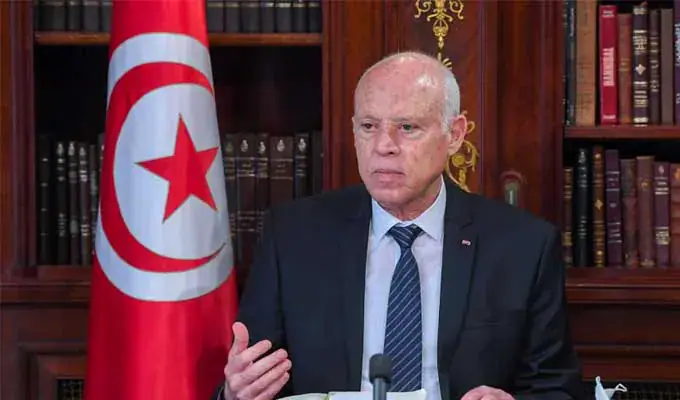
Tunisian President Kais Saïed has emphasized the need for a national, democratic, and inclusive education system. During a meeting with Education Minister Noureddine Nouri and other officials, Saïed highlighted the importance of the Supreme Council of Education and Teaching. He stressed that the council plays a crucial role in promoting education and building society. Saïed's comments come amid concerns about the current state of education in Tunisia.
Saïed expressed concerns that past education reforms were driven by external pressures rather than the will of the people. He criticized the "tarissement des sources" slogan, which he believes has led to the "assassination of thought." The president warned that this process continues and must be stopped, especially with the rise of social media, which can amplify intellectual alienation. He called for new approaches to education reform.
To reform the education system, Saïed advocated for exploring new methods and having open discussions, free from political calculations and biases. He suggested that Tunisia can learn from successful experiences elsewhere but must listen to the opinions of its own citizens. Saïed emphasized that Tunisians have the capacity to develop solutions that others may later emulate. This approach aims to create a more inclusive and effective education system.
A key priority for Saïed is improving education for students in remote areas. He demanded better support, transportation, and resources for these students to pursue their studies. The president stressed that education is a fundamental right that should be guaranteed to all citizens, without discrimination. This commitment aims to bridge the gap in educational opportunities across the country.
Saïed's vision for education reform focuses on creating a system that serves all Tunisians equally. He urged stakeholders to work together to achieve this goal, moving away from past practices driven by political interests. The president's emphasis on inclusivity and accessibility reflects his broader commitment to social justice and equality.
The Supreme Council of Education and Teaching plays a critical role in implementing Saïed's vision. As a constitutional institution, it is responsible for promoting education and advising on reforms. Saïed's engagement with the council and education officials signals a renewed focus on education policy. The success of these efforts will depend on effective collaboration and a commitment to the president's vision.
The outcome of Saïed's education reform initiative remains to be seen. However, his emphasis on inclusivity, accessibility, and intellectual freedom has sparked a necessary conversation about the future of education in Tunisia. As the country moves forward, it will be essential to prioritize the needs of all students, particularly those in remote and disadvantaged areas.
Key points
- Tunisian President Kais Saïed calls for a national, democratic, and inclusive education system.