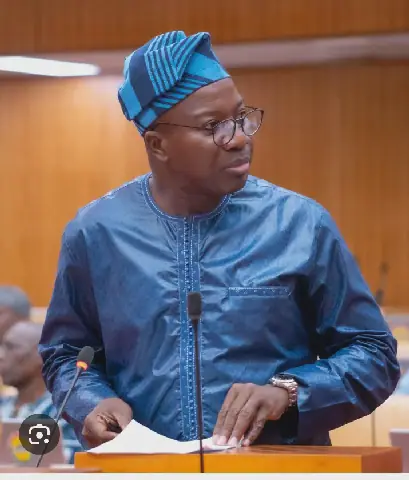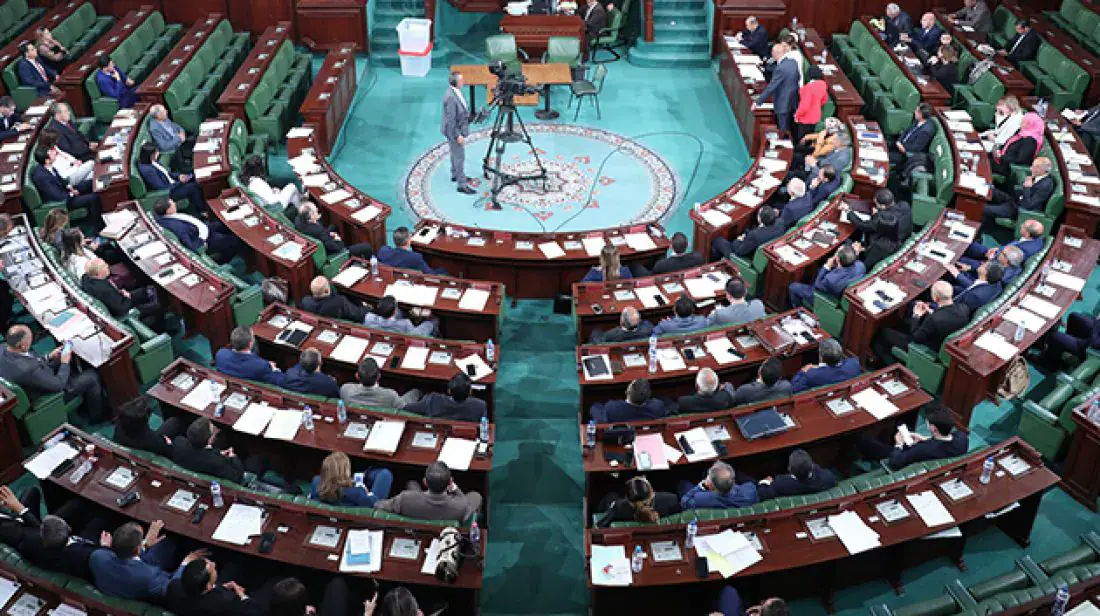
Tunisian parliamentarians have called for a reform of the country's university system to better align it with the needs of the job market and economy. During a joint hearing session with the Minister of Higher Education and Scientific Research, Mondher Belaid, lawmakers emphasized the need to address the gap between the outputs of the higher education system and the requirements for integration into the job market. They argued that this would enable university graduates to contribute more effectively to driving economic growth.
The parliamentarians, who were part of a joint session organized by the Committee on Education, Vocational Training, Scientific Research, Youth, and Sports, and the Committee on Development and Social Services, noted that there is a mismatch between the skills provided by the university system and those required by the labor market. They urged the government to direct new students towards vital economic sectors and activities, which would enhance the contribution of university graduates to economic growth. This, they believe, would help bridge the gap between the education system and the job market.
The lawmakers also called for a review of the university specialization map, which involves creating new fields of study that respond to the needs of the job market and provide better employment prospects. They suggested revising specializations that do not offer sufficient job opportunities. Additionally, parliamentarians emphasized the need to evaluate university specializations to ensure they align with the requirements of economic activities. Some lawmakers also stressed the importance of promoting patents, supporting research and development, and providing necessary funding.
Furthermore, the parliamentarians highlighted the need to improve university services and enhance the quality of student life. They proposed supporting student clubs and associations, and strengthening their role in guiding students, developing their skills, and refining their personalities. This, they believe, would be achieved by providing the necessary spaces and resources for university activities, as well as cultural and social events.
The proposed reforms also aim to promote fairness in the distribution of universities and higher education institutions across the country. This would ensure equal access to higher education and promote equity in the distribution of institutions and university services. The parliamentarians believe that this would help address regional disparities and promote social justice.
The hearing session was part of the parliamentary budget discussions for 2027, during which lawmakers scrutinized the Ministry of Higher Education and Scientific Research's budget. The parliamentarians' proposals reflect concerns about the effectiveness of the current university system in preparing graduates for the job market. They also underscore the need for a more responsive and inclusive higher education system that meets the evolving needs of the economy.
The Tunisian government has not yet responded to the parliamentarians' proposals. However, the debate highlights the growing concern about the need for education reform in Tunisia. The proposed reforms aim to create a more effective and relevant university system that prepares graduates for the challenges of the job market and contributes to the country's economic growth and development.
Key points
- Reforming university specializations to align with job market needs
- Improving university services and student life
- Promoting fairness in the distribution of universities and higher education institutions
Reporting sources
- Jawhara FM · Jawhara FM