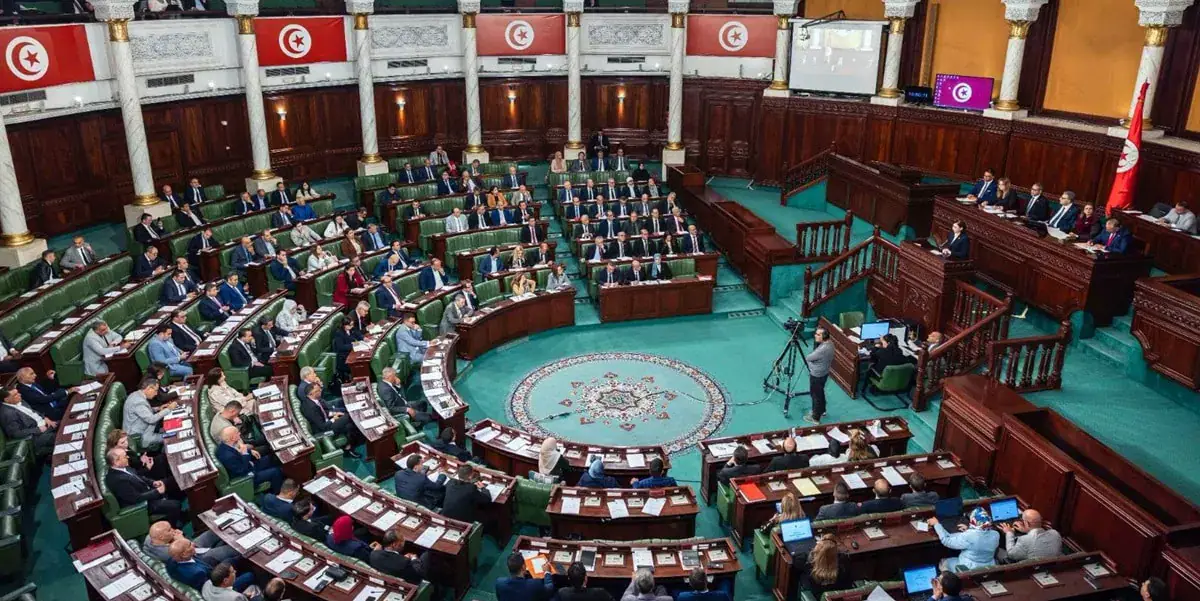
The Tunisian parliament's finance and budget committees have rejected three provisions in the 2027 finance bill that would have provided tax breaks for electric batteries, solar panels, and biodegradable products. The rejected articles aimed to support the country's transition to renewable energy and reduce its environmental impact. The committees, comprising members from the Assembly of People's Representatives and the National Council of Regions and Districts, voted to reject the provisions on November 24.
One of the rejected provisions, Article 49, would have exempted electric batteries for energy storage from customs duties, value-added tax, and professional tax. However, lawmakers argued that this measure could harm local battery manufacturers, citing the existence of around 17 specialized industrial units in Tunisia. They expressed concerns that a blanket exemption on imports could threaten jobs and reduce local production value. The quality and safety of imported batteries were also raised as concerns.
The rejection of Article 50, which proposed reducing customs duties on imported solar panels from 30% to 10%, was another significant decision. Lawmakers struggled to balance the need to make solar installations more affordable with the need to protect local manufacturers. Some argued that a change in taxation should be preceded by an in-depth impact study on production costs, industrial integration, exports, and jobs. An alternative proposal suggested using tax revenues to provide direct assistance to citizens who want to install solar equipment.
The third rejected provision, Article 63, aimed to subject biodegradable bags and products to an environmental preservation tax. However, the representative of the Ministry of Environment justified the difficulties in implementing this measure, likely due to a lack of clear regulations. The rejection of these provisions reflects the challenges of balancing industrial protection, purchasing power, and environmental ambitions in Tunisia's transition to a more sustainable economy.
The finance and budget committees' decisions highlight the complexities of Tunisia's efforts to promote renewable energy and reduce its environmental impact. The country has been working to increase its use of renewable energy sources, but the debate over tax breaks for green technologies has exposed tensions between industrial interests, consumer concerns, and environmental goals. The committees' cautious approach reflects the need for careful consideration of the potential consequences of such measures.
The rejection of these tax measures is likely to have implications for Tunisia's renewable energy sector and its efforts to reduce greenhouse gas emissions. The country's reliance on imported energy equipment and the limited domestic production of green technologies have contributed to the high costs of renewable energy installations. The parliament's decisions may lead to increased costs for consumers and businesses seeking to invest in solar energy and other green technologies.
The Tunisian government's commitment to promoting renewable energy and reducing environmental impact will be closely watched in the coming months. The rejection of these tax measures does not necessarily mean that the government will abandon its efforts to support the green sector. Instead, it may lead to a re-evaluation of the most effective ways to promote sustainable development and reduce the country's environmental footprint.
Key points
- The Tunisian parliament's finance and budget committees rejected three provisions in the 2027 finance bill that would have provided tax breaks for electric batteries, solar panels, and biodegradable products.