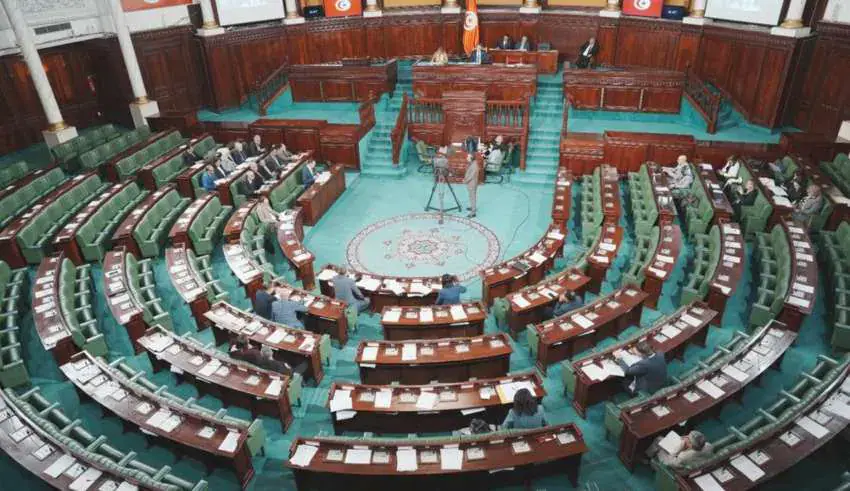
The Tunisian parliament's finance and budget committees have rejected several articles in the 2027 draft finance bill that aimed to promote green energy and biodegradable products. Specifically, articles 49, 50, and 63 were voted down. Article 49 proposed exempting electric batteries from customs duties, value-added tax, and professional tax. However, lawmakers argued that this exemption would harm the local industry, which comprises around 17 battery manufacturing plants.
The rejection of article 49 was based on concerns about preserving local value-added production and jobs, ensuring the quality and safety of imported batteries, and maintaining consistency with tax benefits granted to local manufacturers in the 2026 finance bill. The committees emphasized the need to protect the local industry and prevent potential negative repercussions. This decision reflects the parliament's cautious approach to tax exemptions that could impact domestic production.
Article 50, which proposed reducing customs duties on imported solar panels from 30% to 10%, was also rejected. The debate highlighted the delicate balance between reducing the cost of photovoltaic systems for users and preserving the competitiveness of local manufacturers. Lawmakers requested a detailed impact study covering production costs, industrial integration, exports, and employment. Some suggested redirecting tax revenues to provide direct subsidies to citizens for installing solar equipment.
The committees also rejected article 63, which aimed to subject biodegradable bags and products to an environmental preservation tax. The representative of the Ministry of Environment explained that Tunisia lacks national technical standards and specialized laboratories to verify the conformity and biological characteristics of these products. The degradation of biodegradable materials requires specific industrial composting conditions and source separation.
Several lawmakers expressed concerns about reimposing a tax similar to the one on traditional plastic bags, arguing that it contradicts the policy of encouraging ecological alternatives and penalizes companies that have invested in biodegradable products. They called for prioritizing the establishment of technical standards, control laboratories, and recycling circuits rather than increasing taxes on producers.
The rejection of these articles reflects the parliament's careful consideration of the potential impact on local industries, employment, and the environment. The committees emphasized the need for a more comprehensive approach to promoting green energy and biodegradable products, including the development of technical standards, laboratories, and recycling infrastructure.
The Tunisian parliament's decision highlights the challenges of balancing economic and environmental goals. The country aims to promote sustainable development and reduce its environmental footprint while protecting local industries and jobs. The rejected articles will need to be revisited, taking into account the concerns and recommendations expressed by lawmakers and stakeholders.
Key points
- The Tunisian parliament rejected proposed tax measures for green energy and biodegradable products, citing concerns about local industries, jobs, and environmental impact.