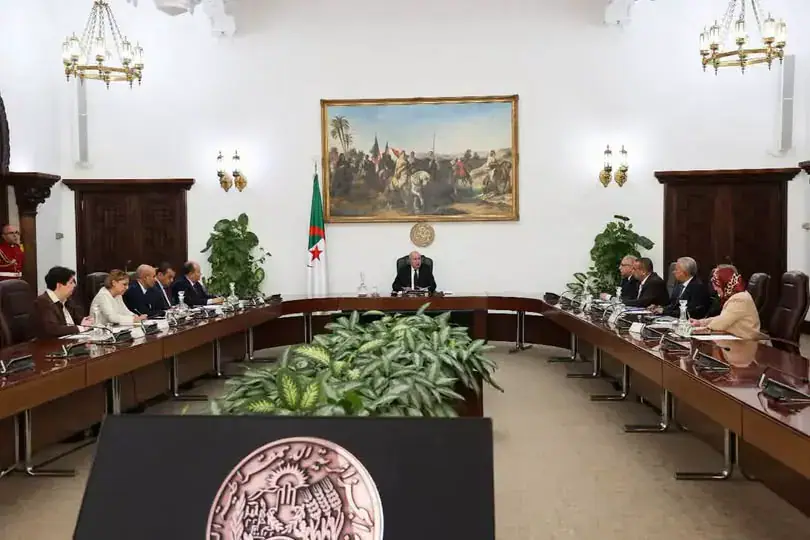
Experts and researchers at the University of Djillali Liabes in Sidi Bel Abbes have welcomed the decision by Algerian President Abdelmadjid Tebboune to launch a project to build a lithium battery factory. They consider this a strategic step that will open up promising prospects for building a national industry for energy storage technologies and valorising mining resources. The project aligns with the country's efforts to enhance its scientific and technological capabilities.
The factory, which will have a capacity of 5 gigawatt-hours, aims to meet the needs of electric vehicles and energy storage batteries. The project is being developed under the supervision of the Ministry of Energy and Renewable Energies, through the international company Sonelgaz. Experts believe that this project will enable Algeria to transition from exploiting raw materials to producing high-value-added materials, which requires the development of scientific research and specialised training.
Professor Karim Zeghib, who attended a working meeting chaired by President Tebboune, highlighted the importance of this project in supporting the integration of renewable energies and improving the flexibility of electrical networks. He noted that batteries allow for the storage of excess energy produced during periods of high production, particularly from solar sources, and its reuse when demand is high or production is low.
Professor Amar Tillamaten, an expert in electrical engineering, considers the launch of this project a significant step towards keeping pace with global developments in the energy sector. He emphasised the growing role of electricity storage systems in supporting the integration of renewable energies and improving the flexibility of electrical networks.
Professor Ben Wiss Khadija, a researcher specialising in materials science and chemistry, highlighted the importance of using lithium iron phosphate (LFP) technology, which has better thermal stability and a longer lifespan compared to other chemical compositions. She noted that this technology is suitable for stationary energy storage applications.
The project is also seen as an opportunity to strengthen the partnership between the university and its economic environment, by involving research laboratories in the development of technological solutions that meet the needs of the national industry. This will enable the training of specialised engineers and researchers in electrochemistry, materials science, and energy storage systems.
The development of this project is expected to support Algeria's energy transition path, by localising knowledge and technology, and supporting the skills needed to accompany the various stages of production and development. The project's progress will be closely monitored, as it has the potential to make a significant impact on the country's energy sector.
Key points
- The project aims to meet the needs of electric vehicles and energy storage batteries.
- The factory will have a capacity of 5 gigawatt-hours.
- Experts hail the decision as a strategic step towards building a national industry for energy storage technologies.