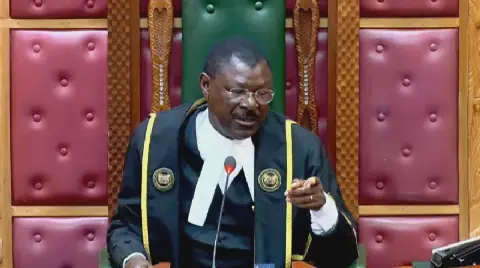
The Tunisian Parliament's finance and budget committees have approved the 2027 budget bill with amendments, following two joint sessions attended by representatives from the Ministry of Finance. The approved bill includes an amnesty for customs violations committed before December 1, 2026, provided that fines are paid or a 10% to 20% penalty is applied to the value of seized goods. This move aims to settle outstanding customs disputes and generate revenue for the state.
One of the key amendments includes exempting road tractors from customs duties, estimated to cost around one million dinars. Additionally, penalties related to electronic invoicing will be postponed until January 1, 2028. The committees also approved a 20% customs duty on vegetable oil imports, despite the Ministry of Finance's concerns about potential price impacts. These changes reflect efforts to balance the budget while supporting economic growth.
The committees rejected a proposal to reduce customs duties on rubber tires from 43% to 20% for passenger vehicles. This decision was influenced by concerns about protecting the national manufacturer, which employs over 1,000 workers, and combating smuggling. The debate highlights the challenges of balancing protectionism with free trade policies in Tunisia's economic strategy.
The 2027 budget, valued at approximately 68.9 billion dinars, represents an 8.4% increase from the 2026 budget. The approved amendments aim to enhance revenue collection and support key sectors. However, the exact date for the final vote on the budget bill has not been scheduled. Any rejected proposals can still be reintroduced during the general session.
The finance and budget committees' decisions have significant implications for Tunisia's economic policy. By granting amnesty for certain customs violations and exempting specific imports from duties, the government aims to stimulate economic activity and improve compliance with customs regulations. The rejection of the tire duty reduction proposal underscores the government's focus on protecting domestic industries.
The approved budget and amendments reflect the government's efforts to address economic challenges and promote growth. Tunisia's economic development strategy involves balancing fiscal discipline with measures to support key sectors and industries. The 2027 budget aims to achieve these objectives while navigating the complexities of international trade and economic competition.
As Tunisia moves forward with implementing the 2027 budget, the government's focus will shift to ensuring effective execution and monitoring of the approved measures. The success of these initiatives will depend on close collaboration between government agencies, businesses, and civil society stakeholders. The budget's impact on the economy and citizens' livelihoods will be closely watched in the coming months.
Key points
- The Tunisian Parliament has approved the 2027 budget with amendments, including an amnesty for customs violations and exemptions for certain imports.