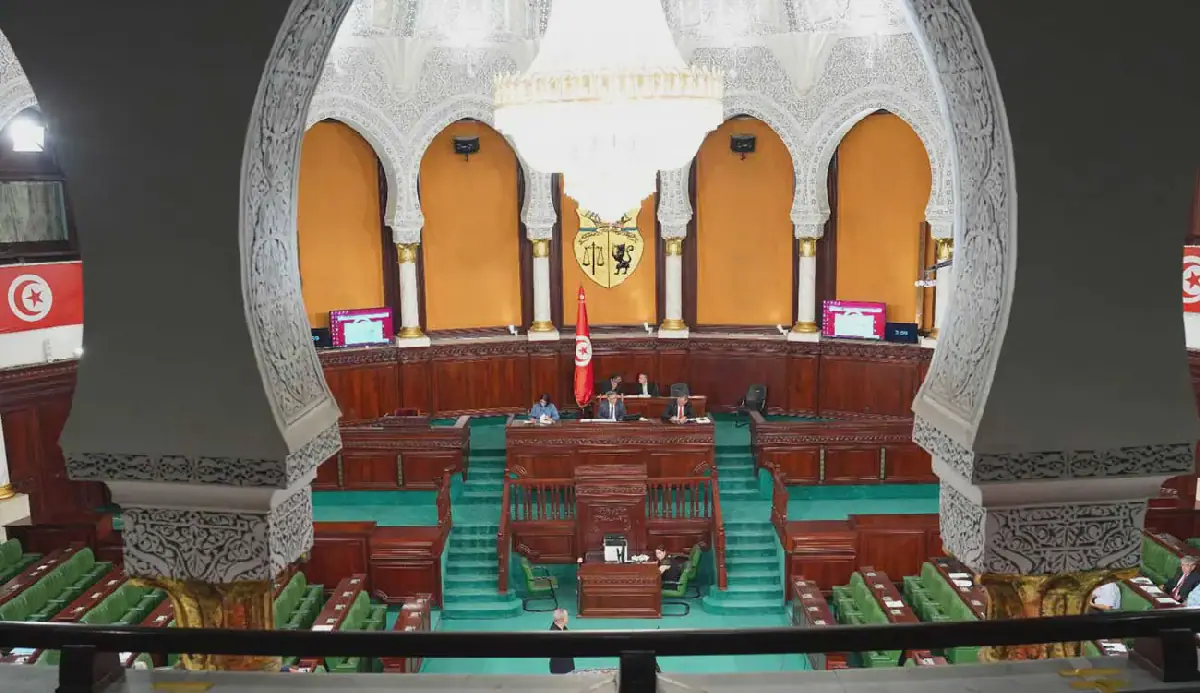
The Tunisian parliament is currently examining the 2027 state budget with a focus on the allocation of funds for special missions. This process involves both chambers of parliament and includes a review of budgets for various independent bodies. The special missions under scrutiny include those of the Independent High Authority for Elections, the Assembly of People's Representatives, and the National Council of Regions and Districts.
During the examination of the special mission budget for the Court of Accounts, Vice-President Fadhila Gargouri provided clarifications on the institution's role. She emphasized that the Court's mission extends beyond identifying irregularities and shortcomings to include prescribing corrective measures, providing guidance, and imposing sanctions as necessary. Gargouri also noted that any irregularities potentially constituting criminal offenses are forwarded to the competent judicial authorities.
The 2027 budget has allocated significant funds to various sectors, including family, childhood, and social cohesion, with over 331 million dinars dedicated to these areas. This allocation reflects the government's priorities in addressing social issues and promoting welfare. The budget examination process is a critical step in ensuring that public funds are effectively utilized.
The examination of the 2027 state budget by the Tunisian parliament is part of a broader effort to enhance transparency and accountability in public spending. By scrutinizing the budgets of special missions, lawmakers aim to ensure that funds are allocated efficiently and in line with national priorities. This process also provides an opportunity for parliamentarians to engage with representatives of various institutions.
Tunisia has been focusing on several key areas, including investment, tourism, and environmental protection. Recently, the country highlighted its medical tourism and information technology sectors at the "Focus Market Tunisia 2027" event in Geneva. Additionally, Tunisia is accelerating its ecological transition with European support, particularly in managing waste and protecting the coastline.
The Tunisian government's efforts to improve its international standing, particularly with Europe, have been evident in recent diplomatic engagements. Tunisia has been advocating for better representation of Africa on the international scene, emphasizing the need for a more equitable global order. This advocacy reflects the country's commitment to enhancing its role and influence in international affairs.
As the Tunisian parliament continues to examine the 2027 state budget, the focus on special missions and their funding is expected to contribute to more transparent and effective governance. The process underscores the importance of accountability and strategic allocation of resources in achieving national objectives. The budget examination is a crucial step in the country's ongoing efforts to enhance its economic and social development.
Key points
- The Tunisian parliament is reviewing the 2027 state budget with a focus on special mission funding.
- Over 331 million dinars are allocated to family, childhood, and social cohesion in the 2027 budget.
- The Court of Accounts plays a critical role in identifying irregularities and prescribing corrective measures.
Reporting sources
- Budget de l’État 2027 : les deux chambres parlementaires examinent les budgets des missions spéciales · Radio Tunis Chaîne Internationale