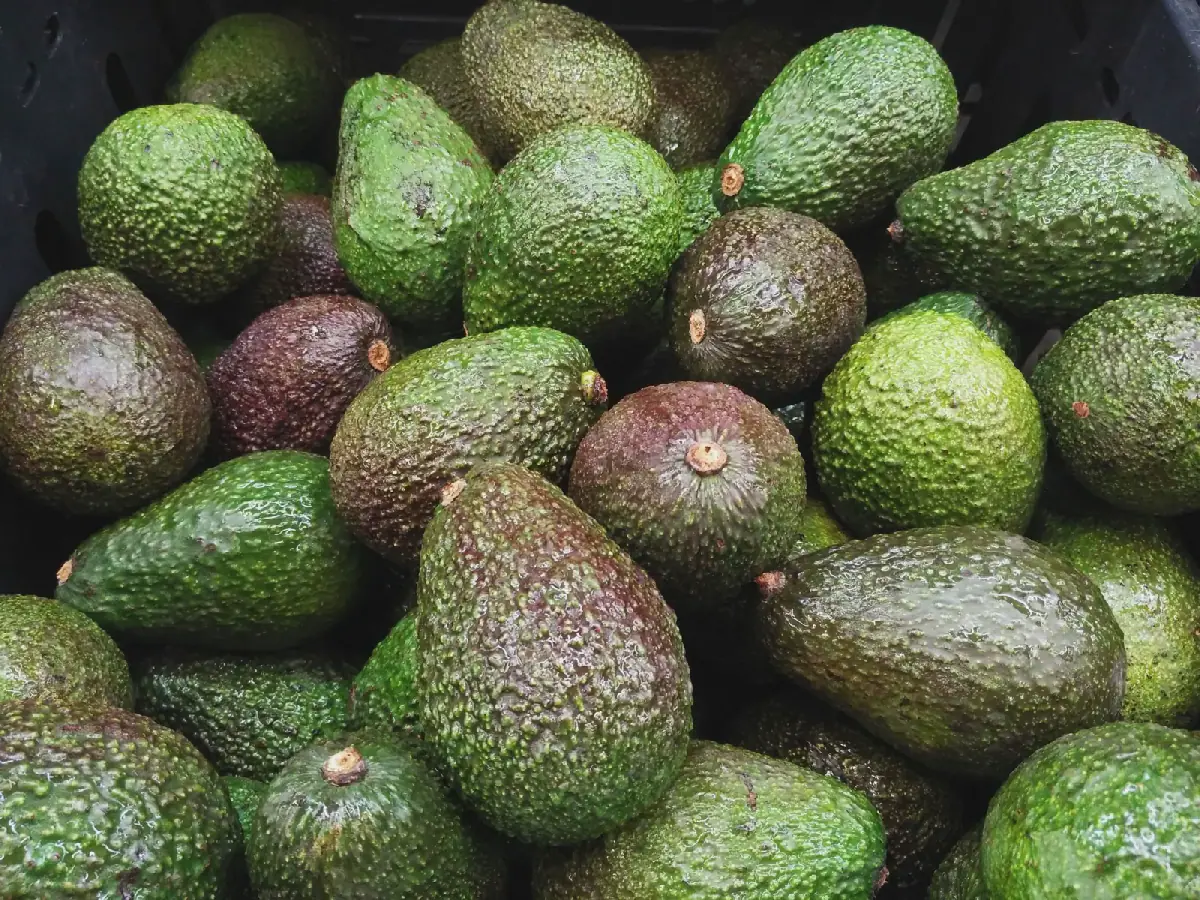
Rwanda is stepping up efforts to position avocado as a major foreign exchange earner. Industry stakeholders are exploring strategies to increase production, improve quality, attract investment, and expand access to international markets. Avocado growers, exporters, and officials from the National Agricultural Export Development Board (NAEB) have convened for a three-day meeting to examine opportunities and challenges across the avocado value chain.
The meeting brings together members of the Horticulture Exporters Association of Rwanda (HEAR) to develop strategies covering the entire production chain. This includes cultivation, harvesting, processing, packaging, and international distribution. NAEB Deputy Chief Executive Officer in charge of Operations, Sandrine Urujeni, emphasized the institution's commitment to working with government agencies, development partners, and private sector players to accelerate the commercial development of avocado farming.
The objective is to develop a productive, commercially competitive, quality-driven, and market-oriented value chain. This value chain should consistently supply competitive products to both domestic and international markets. Participants will examine findings from an avocado farming census, which is expected to provide a comprehensive picture of the industry's performance, identify existing gaps, and inform future investment decisions.
The findings from the census will guide interventions aimed at increasing productivity, strengthening value addition, and diversifying export destinations. With growing global demand for avocados, particularly in Europe, the Middle East, and Asia, Rwanda has an opportunity to expand its footprint in the international horticultural market. However, competing with established avocado exporters such as Kenya, South Africa, Mexico, and Peru will require more than increased production.
International buyers demand consistent volumes, strict phytosanitary compliance, traceability, proper harvesting techniques, reliable cold-chain infrastructure, and adherence to international food safety standards. Rwanda's geographical position as a landlocked country also makes transport costs and logistics critical factors in determining the competitiveness of its exports. The country must address these challenges to successfully export avocados.
Beyond exporting fresh fruit, the avocado industry presents opportunities for investment in processing facilities producing avocado oil, cosmetics, and other high-value products. Such investments could reduce post-harvest losses, create employment, increase farmers' incomes, and retain more economic value within the country. This aligns with Rwanda's broader national ambition of diversifying exports, reducing the trade deficit, and strengthening foreign exchange reserves.
The ultimate challenge for Rwanda is not simply how many avocados it can grow, but how much economic value the country can extract from every kilogram it produces. To achieve this, Rwanda must develop a commercially viable avocado industry that prioritizes quality, competitiveness, and market orientation. By addressing the challenges and leveraging the opportunities, Rwanda can increase its foreign exchange earnings from avocado exports.
Key points
- Rwanda aims to develop a commercially viable avocado industry to boost foreign exchange earnings.
- The industry faces challenges such as competing with established exporters and meeting international buyer demands.
- Investing in processing facilities can help reduce post-harvest losses and increase economic value.