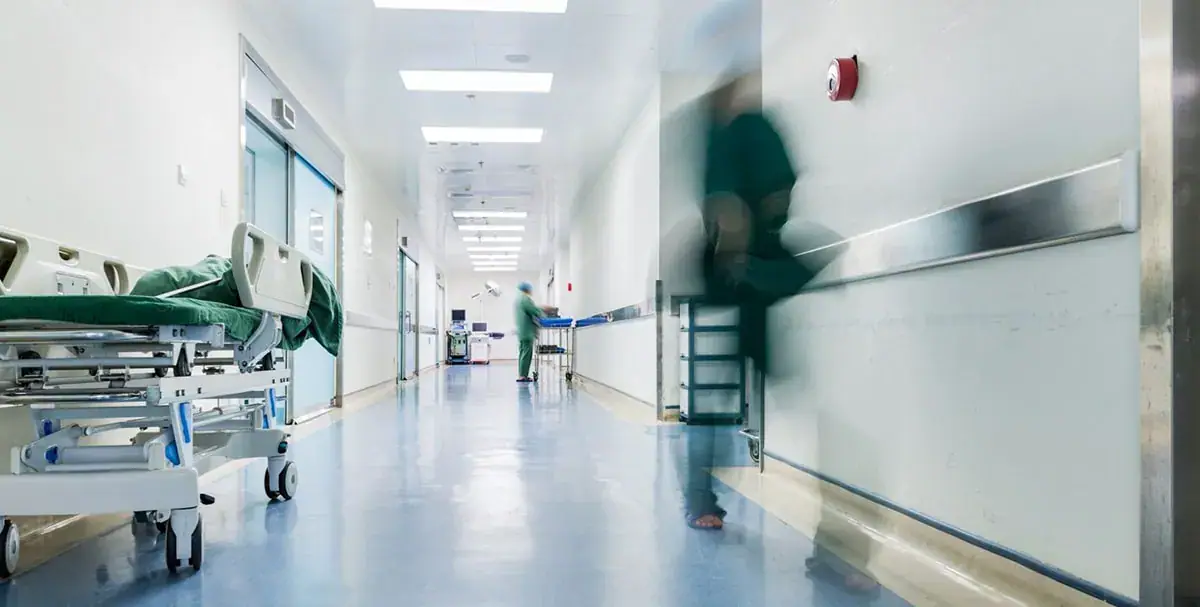
The Tunisian parliament recently examined the 2027 budget for the Ministry of Health, shedding light on the country's persistent healthcare challenges. These include medication shortages, a shortage of medical personnel, outdated equipment, and regional disparities. The session, attended by Health Minister Mustapha Ferjani, brought together the Assembly of People's Representatives and the National Council of Regions and Districts.
During the session, lawmakers expressed concerns about the difficulties in supplying medications, particularly those for cancer patients and individuals with chronic illnesses. They also criticized the lack of medical equipment, delays in healthcare projects, and prolonged waiting times for consultations and surgeries. The parliamentarians called for the creation of a strategic stockpile of essential medications and the implementation of a surveillance system to anticipate supply disruptions.
The lawmakers also emphasized the need to develop the local pharmaceutical industry to reduce dependence on imports. They highlighted the financial struggles of hospital establishments, which face delays in receiving payments from the National Health Insurance Fund. Furthermore, several participants mentioned the malfunctioning of scanners and magnetic resonance imaging machines in public hospitals, as well as the insufficiency of resources in emergency services.
Regional disparities in healthcare access were another major topic of discussion. Deputies stressed the shortage of specialist doctors and paramedical personnel in interior governorates. They advocated for a revision of the healthcare map, reinforcement of regional and local hospitals, and acceleration of stalled projects hindered by administrative or land-related obstacles.
The 2027 investment credits, estimated at approximately 847 million dinars, were deemed insufficient given the sector's needs. In response to the concerns raised, Minister Mustapha Ferjani announced several measures to strengthen human resources and healthcare equipment. These include the recruitment of 200 specialist doctors, primarily to reinforce interior region establishments, and 1600 health assistants.
The minister's announcements aimed to address the pressing issues plaguing the Tunisian healthcare system. However, it remains to be seen how effectively these measures will be implemented and whether they will significantly alleviate the challenges faced by the sector. The Tunisian healthcare system continues to grapple with significant obstacles, and the road to reform appears long and arduous.
The session demonstrated the parliament's commitment to addressing the country's healthcare challenges. It is crucial that these efforts translate into tangible improvements in the delivery of healthcare services to the Tunisian population. Ongoing scrutiny and evaluation of the implemented measures will be essential in ensuring that the necessary progress is made.
Key points
- The Tunisian parliament has highlighted the need for a strategic stockpile of essential medications and the development of the local pharmaceutical industry.
- The country's healthcare system faces significant regional disparities, with interior governorates experiencing a shortage of specialist doctors and paramedical personnel.
- The 2027 investment credits for the healthcare sector have been deemed insufficient, with lawmakers calling for increased funding to address the sector's pressing needs.