Tunisian organic agricultural exports have seen significant growth, with a 14.5% increase in volume and a 19.8% rise in value over the first eight months of 2026. The exports reached 51.9 thousand tons and 669.2 million dinars, respectively. This growth is according to data from the National Observatory of Agriculture (Onagri). The increase in exports highlights the potential of Tunisia's organic agricultural sector.
The majority of these exports were directed towards 46 countries and were carried out by 69 organic product exporters. The diversity of export destinations and the number of exporters involved underscore the expanding reach and competitiveness of Tunisia's organic products. This development is crucial for the country's agricultural economy.
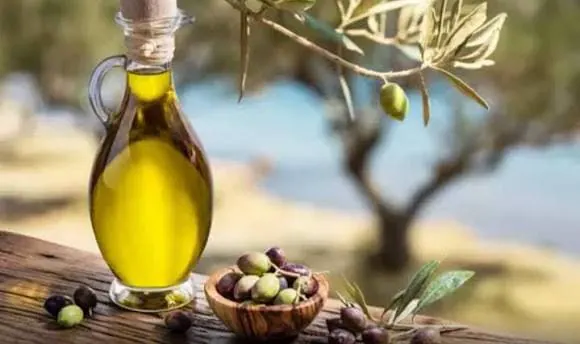
Olive oil has been the leading organic product in terms of export value, with 45.6 thousand tons sold for 596.8 million dinars. This represents a substantial portion of the total export value of organic products. The dominance of olive oil in Tunisia's organic exports highlights the importance of this product to the country's agricultural sector.
Dates are another significant organic product exported by Tunisia, with 6.2 thousand tons generating 69.2 million dinars in revenue. The export of dates, along with olive oil, demonstrates the variety of organic products that Tunisia can offer to international markets. This variety is essential for sustaining and growing export revenues.
The growth in Tunisia's organic agricultural exports can be attributed to the country's favorable climate and soil conditions, which make it suitable for producing a range of organic products. Additionally, efforts to promote and support organic farming practices have likely contributed to this growth. These factors combined have enabled Tunisia to capitalize on the increasing demand for organic products worldwide.
The performance of Tunisia's organic agricultural sector has implications for the country's economy and trade balance. With agriculture being a significant sector of the economy, the growth in organic exports can contribute to economic stability and development. Furthermore, this growth can create opportunities for farmers and exporters, potentially leading to increased employment and income.
As the global demand for organic and sustainably produced food continues to rise, Tunisia is well-positioned to expand its presence in this market. The country's experience and expertise in producing high-quality organic products, particularly olive oil and dates, provide a solid foundation for future growth. Continued support for the organic sector and efforts to diversify products and markets will be crucial for sustaining this growth.
Key points
- Tunisian organic agricultural exports reached 669.2 million dinars in the first eight months of 2026.
- Olive oil and dates are the leading organic products exported by Tunisia.
- The exports were directed towards 46 countries and carried out by 69 exporters.