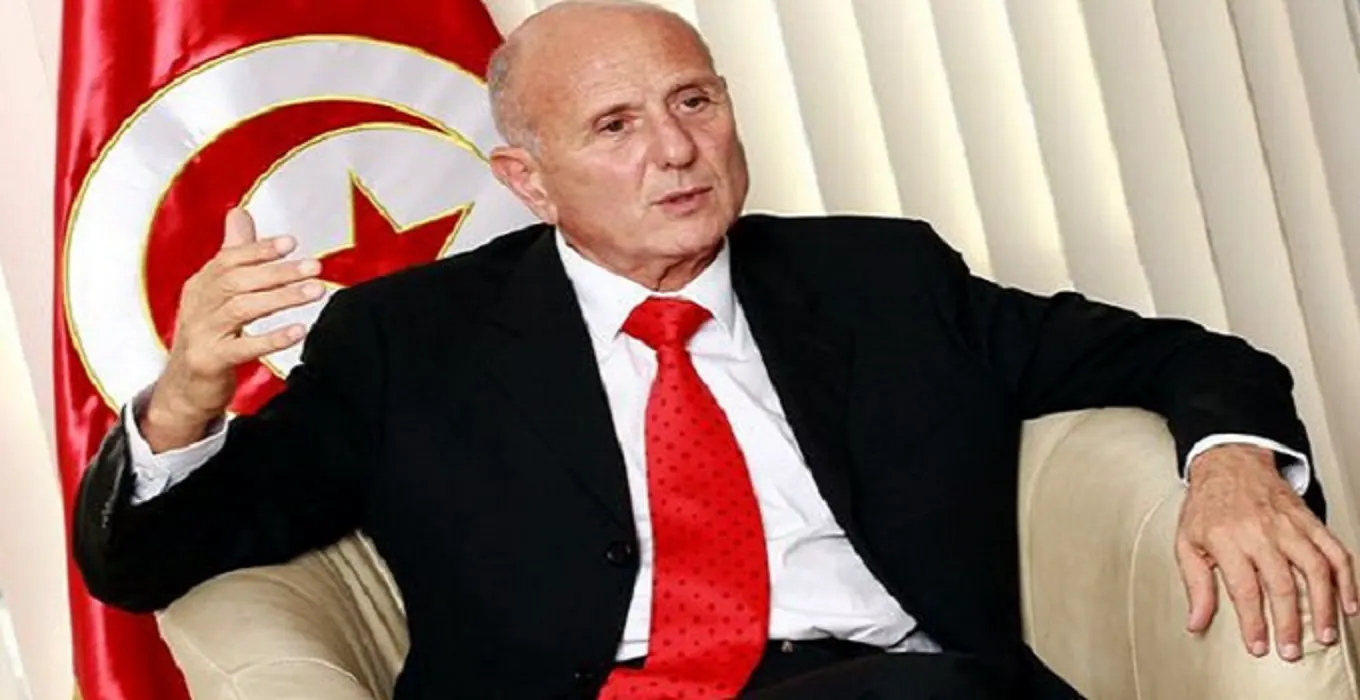
Ahmed Néjib Chebbi, the 80-year-old president of the National Salvation Front, began an open-ended hunger strike on October 1, 2026, from his prison cell. As a key figure in the Tunisian opposition with six decades of engagement, Chebbi is protesting the severe restrictions imposed on prisoners' access to information and independent media. His family has denounced the policy, saying it isolates prisoners from the outside world and limits their access to news to only state-controlled media outlets.
Chebbi's decision to go on a hunger strike comes as he serves a 12-year prison sentence for his alleged involvement in a plot against state security, a case he has been convicted of since December 2025. His lawyer and several human rights organizations have previously raised concerns about his declining health and alleged violations of fair trial guarantees. Chebbi has already experienced health issues, including fainting spells and exhaustion, while in detention.
In a statement, Chebbi's family expressed concern about his health and highlighted the restrictive conditions imposed on prisoners. They accused the authorities of pursuing a policy aimed at isolating detainees from the outside world. Chebbi has stated that he prefers to "die with dignity rather than live without it," underscoring the gravity of his situation.
Chebbi's hunger strike is part of a recent wave of similar protests by Tunisian prisoners. Several politicians and activists have resorted to hunger strikes in recent weeks to contest their detention conditions or demand their release. Abir Moussi, president of the Free Destourian Party, has been on a hunger strike since September 23, while Ghassen Henchiri and Ghassen Boughdiri have also joined the protest.
The multiple hunger strikes by Tunisian prisoners highlight the growing trend of using this form of desperate action in response to harsher prison conditions. Despite differing judicial grounds, the widespread use of hunger strikes underscores the increasing frustration and despair among detainees. Several prisoners, including Wael Naouar and Nabil Chennoufi, have been forced to suspend their hunger strikes due to severe medical complications.
Human rights organizations and Chebbi's lawyer have previously raised concerns about the conditions of his detention and the fairness of his trial. The Tunisian judiciary has confirmed the convictions of several high-profile figures, including Chebbi, in cases related to plots against state security. The situation has sparked concerns about the treatment of prisoners and the respect for their rights.
The health of Ahmed Néjib Chebbi, a prominent figure in Tunisian politics, has raised concerns among his supporters and human rights organizations. At 80 years old, Chebbi's decision to go on a hunger strike has sparked fears about his well-being. His situation has drawn attention to the plight of prisoners in Tunisia and the need for improved conditions and respect for their rights.
Key points
- Ahmed Néjib Chebbi, 80, begins hunger strike in prison to protest restrictions on access to information and independent media for detainees.
- Chebbi serves a 12-year prison sentence for alleged involvement in a plot against state security.
- His hunger strike is part of a recent wave of similar protests by Tunisian prisoners contesting detention conditions or demanding release.