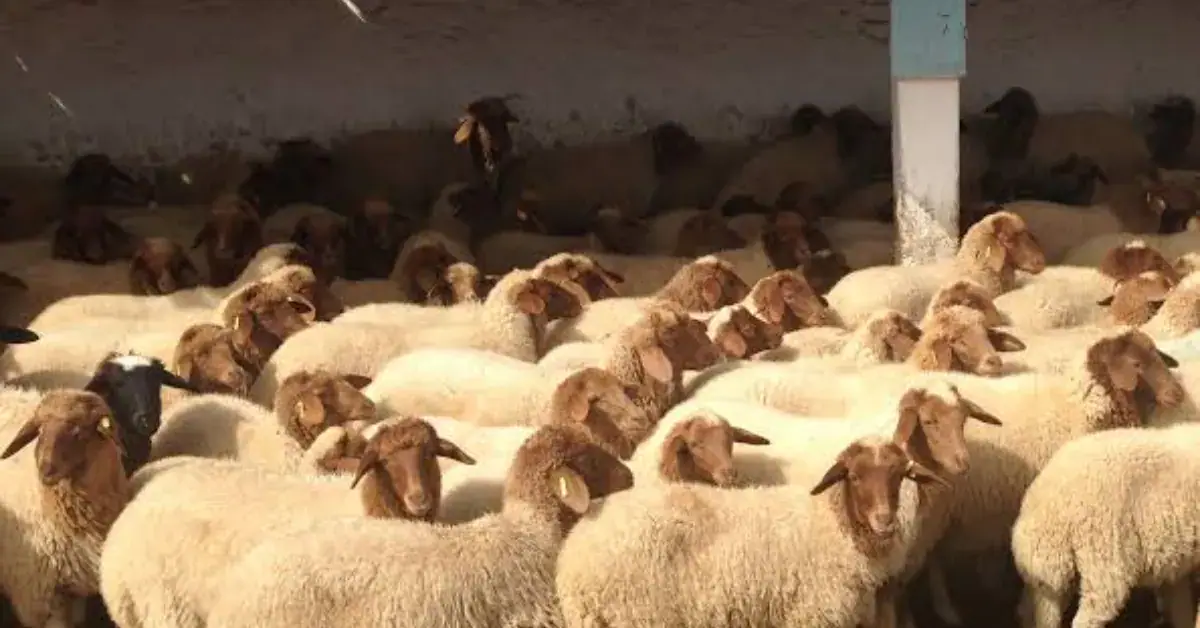
On October 31, 2026, at 21:54, the head of the Second Regional Council, Anis Al-Khlafawi, made a call to provide loans and incentives to farmers. This initiative aims to encourage investment in the livestock sector and its development. Al-Khlafawi emphasized the need to support this activity and provide the necessary resources for its advancement. The call was made during a field visit to a model livestock farm in Sawa, Zaghwan Governorate.
The visit revealed several challenges, primarily a severe shortage of water resources due to drought and a decline in groundwater reserves. Additionally, there are insufficient wells to meet the farm's needs. Al-Khlafawi stated that the farm comprises a significant number of olive trees and areas dedicated to feed production, alongside livestock farming, which requires substantial water quantities.
Al-Khlafawi stressed the importance of addressing the surrounding land and providing conditions for its exploitation, particularly in olive production and feed. He emphasized that developing the livestock sector involves providing necessary financing and incentives, as well as encouraging farmers to invest. This, in turn, supports agricultural production and enhances the sector's capabilities.
The Second Regional Council head pointed out that the farm faces significant challenges, including a shortage of water resources. He urged regional and national authorities to intervene and drill a well at the farm, which would help enhance its capabilities and improve productivity.
During his visit, Al-Khlafawi was informed about the farm's operations and the difficulties it faces. He acknowledged the importance of livestock farming in the region and the need for support. The council head's visit aimed to assess the situation and explore possible solutions to the challenges faced by the farm.
Al-Khlafawi's call for loans and incentives is part of a broader effort to boost investment in the livestock sector. He believes that providing financial support and incentives will encourage farmers to invest in the sector, ultimately contributing to the country's agricultural development.
The development of the livestock sector is crucial for Tunisia's agricultural industry. With the right support and resources, farmers can increase production, improve productivity, and contribute to the country's economic growth. Al-Khlafawi's initiative is expected to spark discussions and potential actions by authorities to address the challenges faced by the livestock sector.
Key points
- Tunisian officials are being urged to provide loans and incentives to encourage investment in livestock farming.
- A severe shortage of water resources due to drought and declining groundwater reserves is affecting livestock farming in the region.
- Developing the livestock sector is seen as crucial for Tunisia's agricultural industry and economic growth.