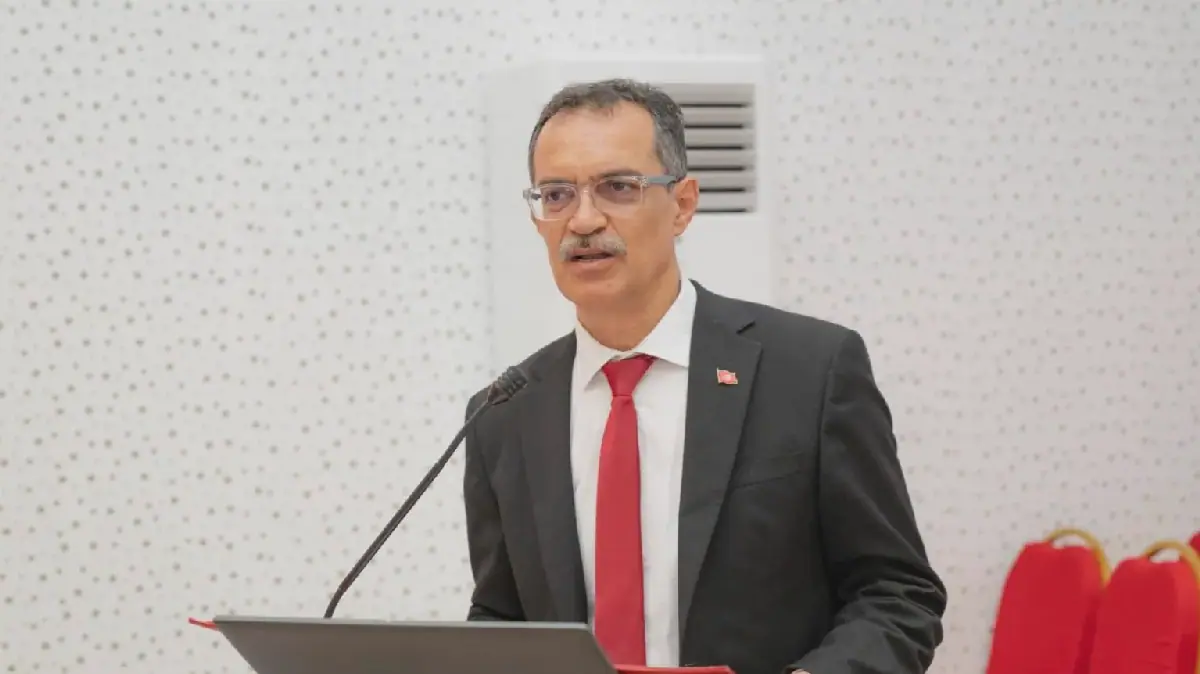
Tunisian Agriculture Minister Azeddine Ben Sheikh has emphasized that ensuring water sovereignty will be a top priority for the ministry in 2027. This will involve continuing the construction of dams, strengthening the water transport system, and securing drinking water supplies. The minister made these remarks during a joint session of the National Council of Regions and Districts' Productive Sectors Committee and the People's Assembly of Tunisia's Agriculture, Food Security, Water, and Maritime Fishing Committee.
The minister highlighted several key water-related initiatives for 2027, including the launch of the seawater desalination plant in Sidi Abd al-Hamid and the continuation of water resource management digitalization. He also mentioned efforts to regularize unauthorized agricultural wells. In terms of food security, the minister's priorities include digitalizing large-scale agricultural systems, enhancing the competitiveness of olive oil, and supporting animal production systems.
The minister reviewed the ministry's performance in 2026, citing significant investments in the agricultural sector, including 1431.3 million dinars in investments. He also noted improvements in olive harvests and grain production, as well as a 120% coverage of food imports by exports. The proposed budget for the agriculture sector in 2027 is approximately 2990.579 million dinars, up from 2879.401 million dinars in 2026.
The discussion during the session focused on the adequacy of allocated funds for the sector's importance in achieving food security. Deputies raised concerns about water supply disruptions during the 2026 summer and the need to accelerate the completion of water supply projects and desalination plants. They also emphasized the importance of monitoring random wells and improving the governance of water clusters.
The session also addressed issues related to livestock, including the high cost of feed and difficulties in rebuilding the national herd. Deputies discussed the pricing of milk, animal identification, and the shortage of veterinary cadres. They stressed the need to enhance health monitoring and control to combat animal diseases.
The discussion also touched on challenges in agricultural production, such as access to fertilizers and seeds, and the high cost of production. Deputies explored ways to promote olive oil and dates, support the poultry sector, and encourage alternative crops and biological agriculture. They also emphasized the need to protect oases and reduce pollution from agricultural runoff.
In the maritime fishing sector, deputies highlighted the need to develop port infrastructure, protect fish resources from random fishing, and review fishing seasons based on scientific research and environmental balance requirements. They also emphasized the importance of preventing forest fires, maintaining trails, and reforestation in the forestry sector.
Key points
- The Tunisian government has allocated significant funds to support the agriculture sector in 2027.
- Water sovereignty and food security are top priorities for the Tunisian Ministry of Agriculture in 2027.
- The ministry aims to digitalize large-scale agricultural systems and enhance the competitiveness of olive oil.