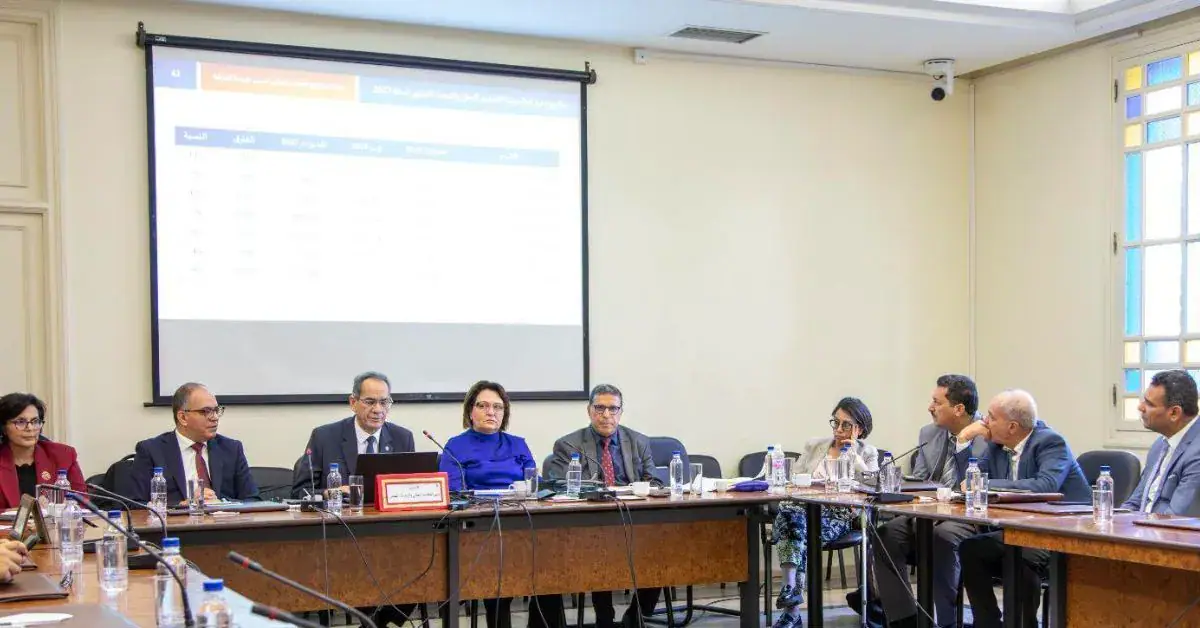
Tunisian Minister of Higher Education and Scientific Research, Mondher Belaid, has stated that the ministry is reviewing training paths to consider future job market transformations. This review aims to ensure that education and training programs are relevant and effective in preparing students for the workforce. The announcement was made during a session of the National Council of Regions and Districts.
Minister Belaid highlighted the importance of artificial intelligence, describing it as a double-edged sword. The ministry is exploring the possibility of officially using AI in teaching while regulating its ethical boundaries. Additionally, the ministry is funding research structures to develop AI applications in areas such as agriculture, health, and environment. This includes the Research Center in Digital Sciences in Sfax.
The minister emphasized that research projects will focus on real development issues, including food and water security, energy transition, and health. This shift in focus aims to address the country's most pressing challenges. By doing so, the ministry seeks to ensure that research and education are aligned with national development priorities.
Minister Belaid also noted that economic institutions have become key stakeholders in determining research priorities. This collaboration has led to a significant increase in patent registrations, with nearly 100 patents filed annually. The ministry has allocated 24 million dinars to basic research laboratories and 8 million dinars to development research laboratories.
The review of training paths is part of a broader effort to modernize the education system and enhance its relevance to the job market. This initiative is expected to improve the employability of graduates and address skills shortages in key sectors. The ministry's efforts aim to create a more effective and responsive education system.
The National Council of Regions and Districts has been working closely with the ministry to ensure that education and training programs meet regional and national needs. This collaboration is seen as essential in addressing the country's development challenges and promoting economic growth. The council's involvement is expected to help tailor education programs to specific regional requirements.
The Tunisian government has been investing in education and research infrastructure to support the development of a more competitive and innovative economy. The review of training paths and the emphasis on applied research are key components of this strategy. By aligning education and research with national priorities, the government aims to drive economic growth and improve living standards.
Key points
- The Tunisian ministry is reviewing training paths to align with future job market transformations and address real development issues.