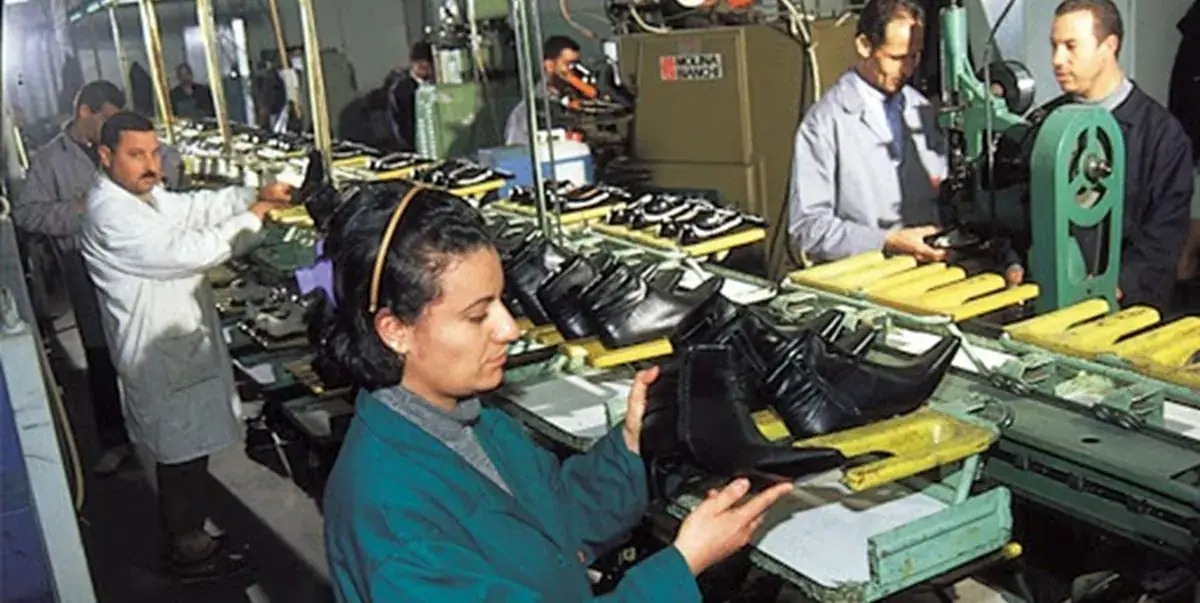
The Tunisian leather and footwear sector continues to decline, with industry professionals warning of further closures if urgent measures are not taken. Wajdi Dhouib, president of the National Chamber of Leather and Footwear Artisans, has raised the alarm, citing a significant decrease in the number of businesses and jobs in the sector. According to Dhouib, the number of enterprises has dropped from around 520 in 2010 to approximately 160 today.
The decline is not limited to businesses, as the sector's workforce has also been severely impacted. The number of artisans has fallen from 6,000 to around 1,200 over the past 15 years, while the sector's employment capacity has decreased from 80,000 jobs in 2010 to a significantly lower number. Dhouib attributes this decline to the growth of the parallel market and the lack of commercialization channels for artisans to sell their products.
To address this situation, industry professionals have submitted four key demands to the Assembly of People's Representatives. These demands include fiscal, customs, and social amnesty, as well as measures related to the National Register of Enterprises. Dhouib explains that many small and medium-sized businesses are heavily indebted and struggling to meet their obligations to social security funds, customs services, and suppliers.
The industry is also pinning hopes on Article 40 of the 2027 Finance Bill, which proposes to reduce customs duties on certain raw materials and semi-finished products imported for use in several sectors, including leather and footwear. The article, as amended and adopted by parliamentary committees, would eliminate customs duties on these imports, provided there is no equivalent local production.
However, industry professionals are seeking more comprehensive measures to support businesses and artisans. They are calling for a reduction in debt burdens, improved access to raw materials, and efforts to combat the parallel market. The sector's decline has significant implications for the country's economy and employment.
The Tunisian government is urged to consider the industry's demands and work towards finding solutions to the sector's challenges. The 2027 Finance Bill is expected to be adopted soon, and industry professionals are hoping that their concerns will be taken into account. The sector's future and the livelihoods of those employed in it depend on swift and effective action.
The decline of the leather and footwear sector in Tunisia is a pressing concern that requires immediate attention from policymakers. With the number of businesses and jobs continuing to dwindle, it is essential that the government takes concrete steps to support the sector and prevent further closures. The industry's demands for fiscal, customs, and social measures are aimed at ensuring the long-term sustainability of businesses and artisans in the sector.
Key points
- The Tunisian leather and footwear sector has seen a significant decline in businesses and jobs over the past 15 years.