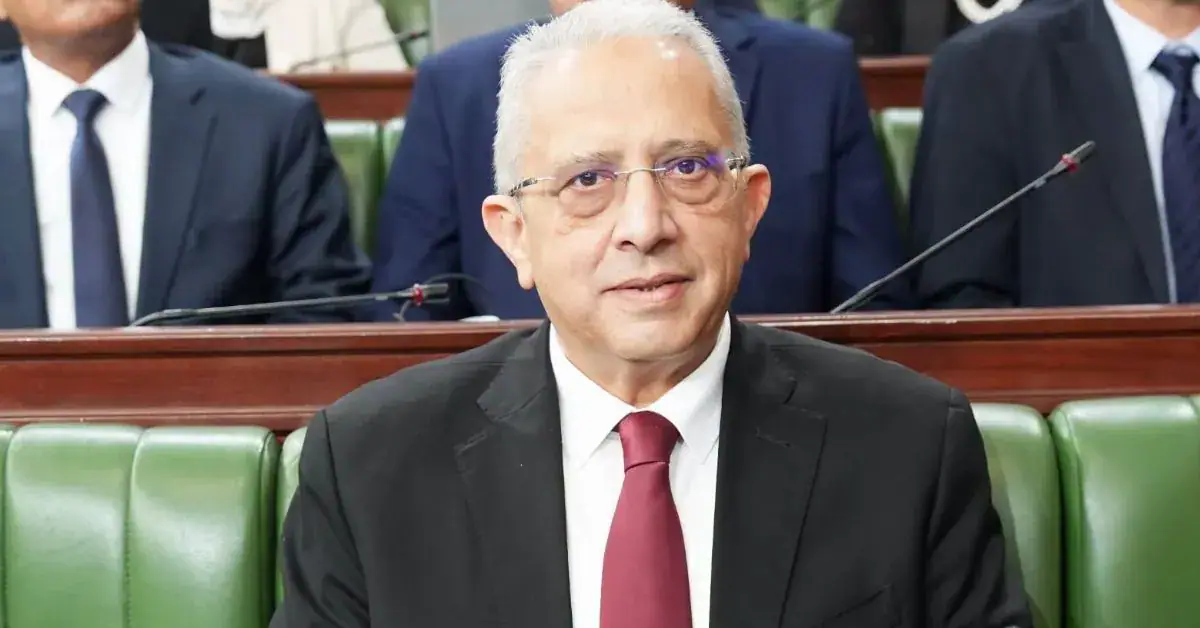
Tunisian Health Minister Mustafa Al-Ferjani recently addressed the country's parliament to discuss healthcare developments, including the medical specialties program aimed at supporting priority areas. The program has strengthened specialist doctors in several regions. Al-Ferjani explained that the regional medical specialties program allows successful candidates in the third stage of medical studies to choose a priority specialty from a designated list for the regions, with a commitment to work in those regions for five years.
The program has seen 30% of young doctors who benefited from it and chose to work in priority areas fail to report to their assigned work centers, despite signing a commitment to do so. Al-Ferjani urged them to join their designated workplaces. Since the beginning of this year, the Ministry of Health has recruited 200 doctors in the family medicine specialty to support internal regions with specialist doctors.
In addition to recruiting specialist doctors, the Ministry of Health has also made appointments for health assistants. In 2024, 600 positions were filled, followed by 800 positions in 2025, and 1000 positions in 2026. These appointments were made based on needs and available resources. The total number of health assistants currently employed is over 5,000.
Al-Ferjani's address to parliament also touched on other healthcare-related matters, including the country's efforts to attract foreign patients for medical treatment. He mentioned that patients from 147 foreign nationalities come to Tunisia for medical care. This development highlights Tunisia's growing reputation as a medical tourism destination.
The Minister of Health emphasized that the government is committed to supporting the healthcare sector, including initiatives to improve working conditions for healthcare professionals and enhance the quality of medical services. These efforts aim to address the country's healthcare needs and improve overall healthcare outcomes.
The medical specialties program is part of a broader strategy to address healthcare disparities in different regions of Tunisia. By encouraging doctors to work in priority areas, the government hopes to improve access to specialized medical care for residents in these regions. The program's impact will be closely monitored to assess its effectiveness in achieving its objectives.
Moving forward, the Ministry of Health is expected to continue its efforts to strengthen the healthcare sector, including initiatives to recruit and retain healthcare professionals in priority areas. The government's commitment to improving healthcare services is reflected in its budget allocations and policy initiatives, which prioritize the needs of the healthcare sector.
Key points
- 30% of young doctors who joined the medical specialties program failed to report to their assigned work centers.