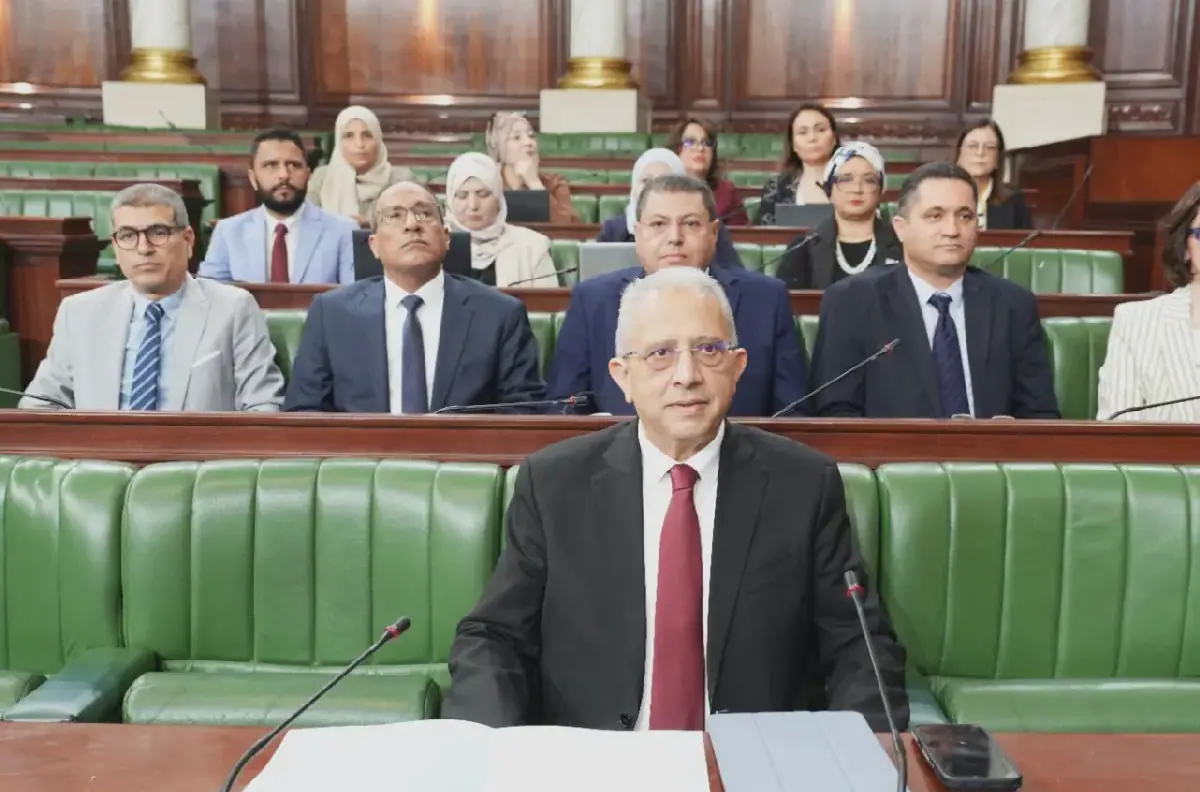
Tunisian Minister of Health, Mustafa Al-Ferjani, has reaffirmed the state's dedication to the healthcare sector, citing its vital importance in ensuring citizens' right to medical treatment and a dignified life. During a parliamentary discussion on the 2027 state budget, Al-Ferjani highlighted the government's efforts to reform and modernize the healthcare system through a comprehensive approach focusing on justice, fairness, and improved care.
The minister outlined key priorities for the ministry, including increasing access to healthcare services, improving the availability of medicines, maintaining medical equipment, and supporting medical and paramedical staff. He also emphasized the need to enhance the quality of services and patient care. These efforts aim to address existing challenges and provide better healthcare outcomes for citizens.
Al-Ferjani expressed concern over the non-attendance of young doctors who had committed to working in priority areas. He urged them to join their designated workplaces, noting that 30% of young doctors who benefited from the regional medical specialization program had not reported for duty. The minister's comments highlight the need for effective strategies to address healthcare workforce shortages in critical areas.
The 2027 budget for the Ministry of Health is set at approximately 6035 million dinars, representing an 8.78% increase from the previous year. This rise reflects the government's commitment to investing in the healthcare sector. The allocated funds will support various initiatives, including the development of healthcare infrastructure and the enhancement of medical services.
The ministry's 2027 strategy focuses on promoting public health, prevention, and healthcare security. It also aims to improve mental health services, reduce regional disparities, and ensure a fair distribution of healthcare facilities. Furthermore, the ministry plans to develop infrastructure, complete stalled projects, and strengthen primary healthcare centers.
Additional initiatives will focus on supporting medical transportation, providing basic and continuous training for healthcare workers, and promoting digital transformation in healthcare governance. The implementation of the digital hospital program and the expansion of telemedicine services are part of these efforts to modernize and improve the efficiency of the healthcare system.
The Tunisian government's emphasis on healthcare underscores its recognition of the sector's critical role in ensuring citizens' well-being. The Ministry of Health's comprehensive approach and budget allocations reflect a commitment to addressing existing challenges and enhancing healthcare services. The success of these initiatives will depend on effective implementation and collaboration with various stakeholders.
Key points
- The Tunisian government has allocated 6035 million dinars for the Ministry of Health in 2027.
- 30% of young doctors who benefited from the regional medical specialization program have not reported for duty.
- The ministry's strategy for 2027 includes promoting public health, prevention, and healthcare security.