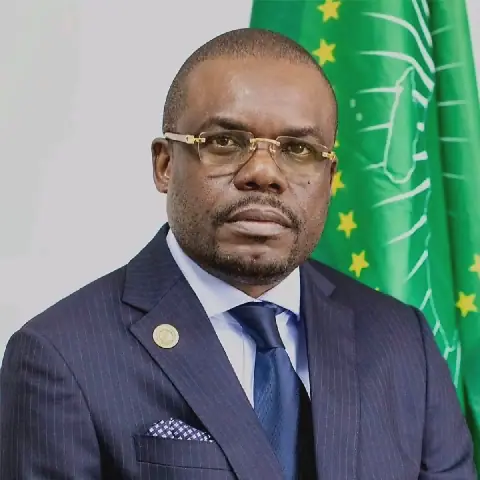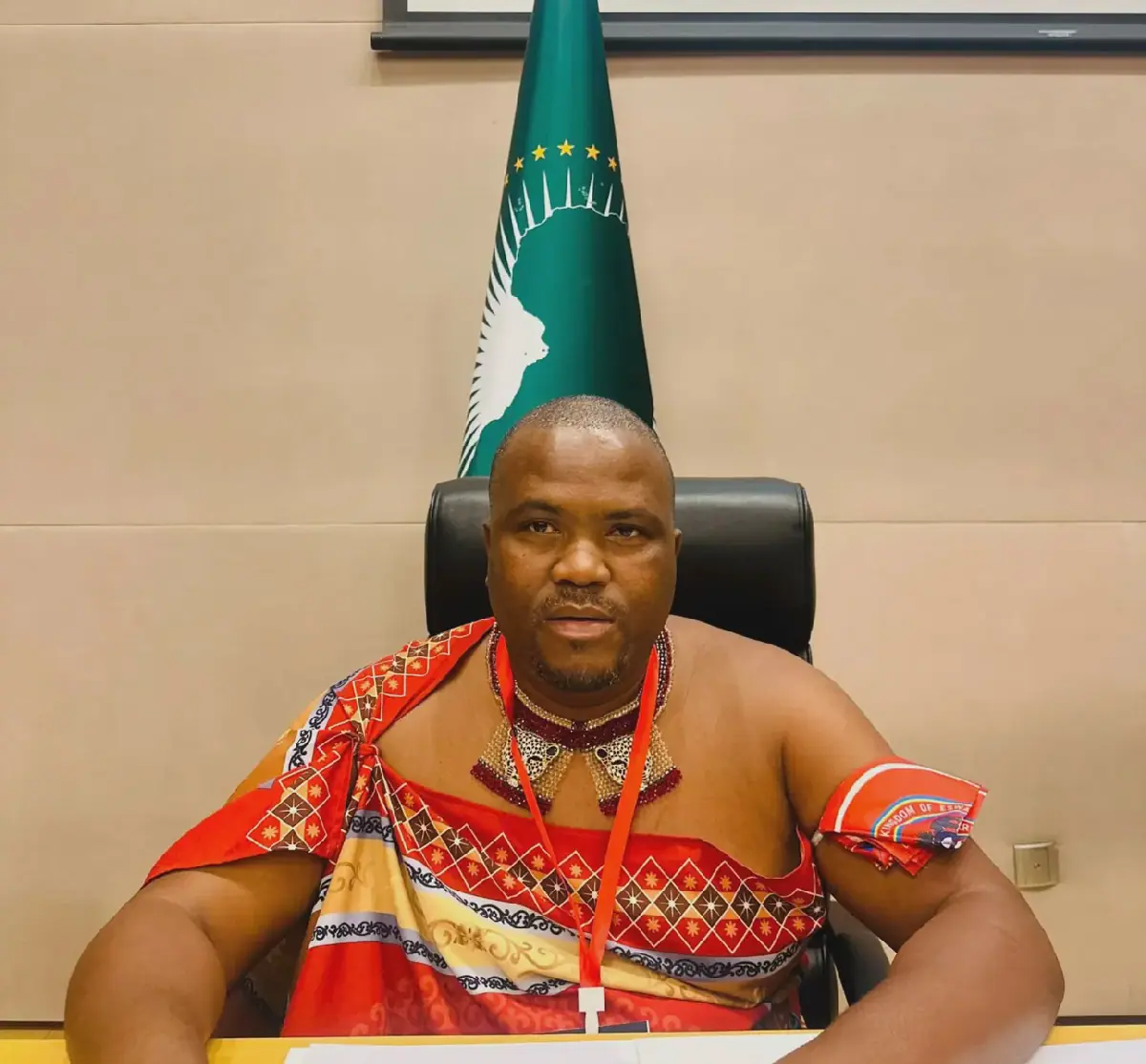
Minister for Tinkhundla Administration and Development S'khumbuzo Dlamini has urged traditional leaders in Eswatini to play a more active role in creating jobs and reducing poverty. He made the call during the African Traditional Leaders Forum 2026, held at the African Union headquarters in Addis Ababa, Ethiopia. Dlamini emphasized that indigenous economic activities had the potential to create employment, support entrepreneurship, and contribute to national development.
Dlamini identified agriculture, livestock production, traditional crafts, indigenous medicine, and cultural tourism as activities that could contribute to economic growth. He called for investment to formalize, modernize, and commercialize these activities while protecting traditional knowledge and cultural practices. The minister also stressed the need for partnerships between traditional institutions, private businesses, and development organizations to turn community resources into productive enterprises.
The minister highlighted the importance of prioritizing indigenous industries that offered employment opportunities for young people and economic participation for women. He said governments and traditional leaders should work together to create jobs and stimulate economic growth. Dlamini also emphasized that traditional institutions remained important governance structures and sources of indigenous knowledge.
In Eswatini, traditional leadership formed part of the country's governance structure through the Tinkhundla System. Dlamini said the system provided communities with opportunities to participate in governance and identify their development priorities. Chiefs occupied an important position in connecting traditional leadership with community development.
However, the minister noted that traditional institutions needed stronger support to fulfill their development responsibilities. He called for their inclusion in development planning and implementation, alongside programs to strengthen their institutional capacity. Dlamini maintained that traditional governance and modern democratic institutions could complement each other.
The minister cited Eswatini's Regional Development Fund as an example of government efforts to promote economic activity within communities. He said the fund supported community-based economic empowerment projects intended to improve livelihoods and reduce poverty. Dlamini credited King Mswati III with initiating the fund and said the King personally handed over projects to beneficiaries at grassroots level.
Dlamini concluded that Africa's pursuit of economic transformation should include traditional institutions because of their influence within communities. He urged African countries to find a balance between heritage and innovation, customary governance, and modern economic development. The minister emphasized that the continent's development depended partly on how effectively governments and communities used indigenous knowledge, traditional institutions, and local economic resources.
Key points
- Traditional leaders must help transform indigenous economic activities into businesses that create jobs and reduce poverty.
Reporting sources
- Chiefs must help create jobs – minister · Times of Swaziland