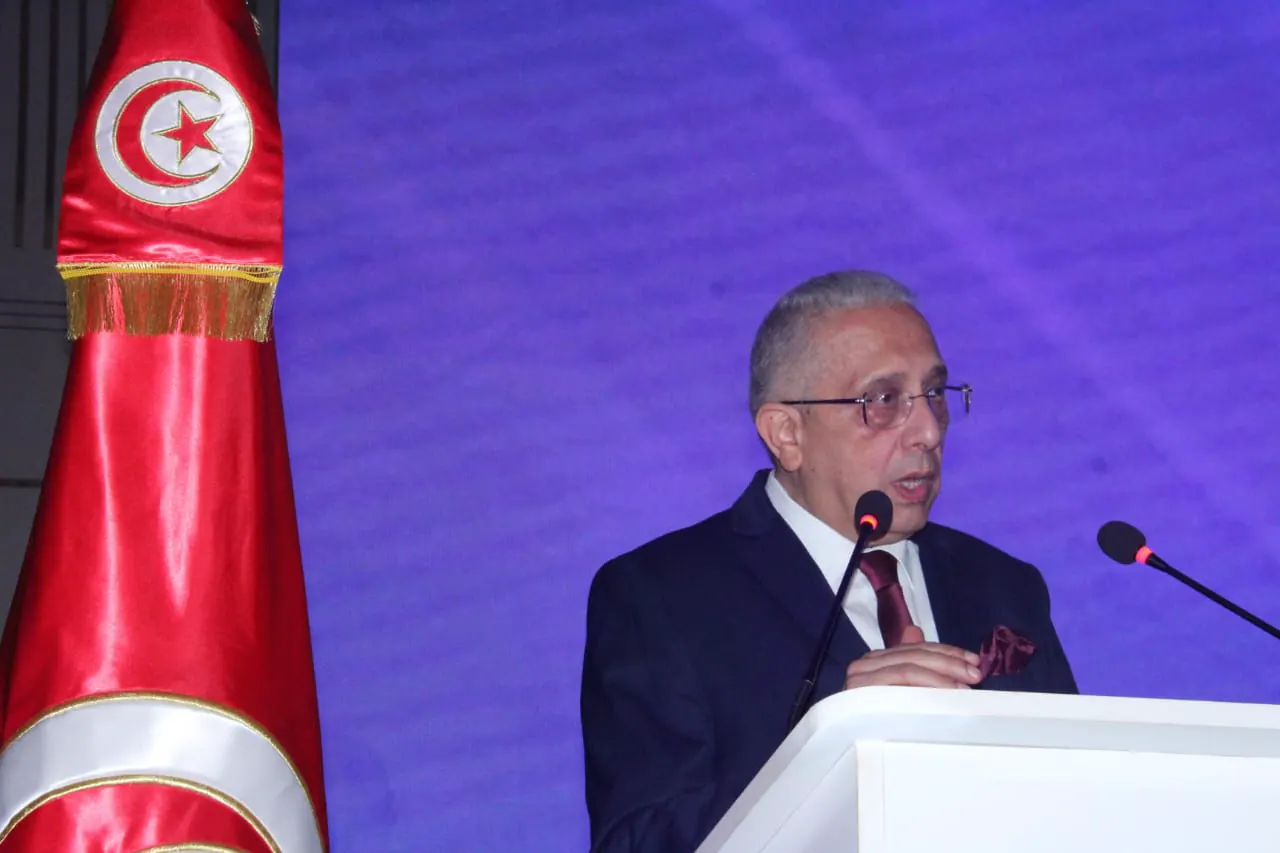
Tunisian Health Minister Mustafa Al-Ferjani has emphasized the need for a digital health transformation in Tunisia to improve healthcare services. He made these remarks during the "TeleHealth Connect 2026" conference held in the capital city. The minister highlighted the importance of digital health in bridging the gap between patients and healthcare professionals, particularly in remote areas. He also stressed the need for a fair and secure digital health system.
Minister Al-Ferjani noted that there are distances measured in kilometers and others measured in opportunities for recovery. He emphasized that for patients living far from specialized doctors, these two realities intersect. The minister also pointed out that traveling for treatment means additional expenses, lost working days, and increased anxiety for patients and their families. He believes that digital health can help alleviate these challenges.
The minister highlighted the importance of developing the national health identifier and electronic medical file to improve continuity of care. He also emphasized the need for a human-centered approach in digital health, ensuring that the benefits of digital transformation are accessible to all, including those in remote areas, the elderly, and people with disabilities. Minister Al-Ferjani stressed that human accompaniment should be available to everyone.
Minister Al-Ferjani outlined three key requirements for digital health transformation: fairness, security, and sustainability. He emphasized the need to protect health data, which is essential for individual privacy and cybersecurity. The minister also highlighted the importance of evaluating artificial intelligence in real-world conditions, under human supervision, with clear responsibilities, and respect for patient dignity.
The minister emphasized the need for sustainable digital health systems, including secure data exchange, qualified professionals, and financing that covers service maintenance and development. He believes that digital sovereignty is built on the ability to choose solutions, control data, and establish balanced partnerships. Minister Al-Ferjani also highlighted Tunisia's desire to share its experience and learn from others.
Minister Al-Ferjani stated that Tunisia aims to enhance cooperation with African, Arab, Mediterranean, and international countries, with a focus on the least-served populations. He emphasized the need to achieve tangible goals, including training teams, exchanging experiences between institutions, and identifying cooperation projects that respond to patient needs.
The minister proposed the "Tunis Declaration for a Fair, Secure, Sovereign, and Human Digital Health Transformation" to guide the digital health transformation in Tunisia. He believes that the success of this transformation will be measured by the changes it brings to patients' lives, including shorter waiting times, reduced travel, faster care, and better support for healthcare teams.
Key points
- The Tunisian government aims to develop a digital health system that is fair, secure, and sustainable.
- The minister emphasized the need for human-centered approach in digital health.
- Tunisia seeks to enhance international cooperation in digital health transformation.