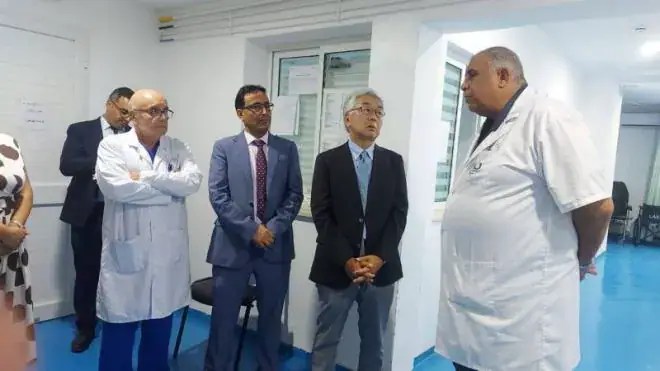
Tunisian Health Minister Mustafa Al-Ferjani opened the Maghrebi Federation of Medical Councils meeting in Tunis, attended by representatives from the five Maghrebi countries. The meeting aimed to strengthen medical cooperation and facilitate the movement of doctors within the region. Al-Ferjani emphasized the importance of converging medical training programs, exchanging expertise, and easing doctors' mobility and practice across borders.
The minister highlighted the potential of telemedicine and artificial intelligence in enhancing healthcare services and patient care while respecting professional ethics and the independence of medical councils. This meeting is part of ongoing cooperation efforts to improve treatment quality and working conditions for doctors in Maghrebi countries. The Maghrebi Federation of Medical Councils is a regional professional organization uniting official medical councils from Morocco, Tunisia, Algeria, Libya, and Mauritania.
The federation was established to coordinate and unify efforts among its member councils to develop and protect the medical profession. Its primary objectives include regulating medical practice, facilitating doctor mobility, and creating legal frameworks for seamless practice across member states. The organization also focuses on advancing medical training and integrating modern technologies, such as telemedicine and AI, into Maghrebi healthcare systems.
Al-Ferjani's call for enhanced cooperation reflects a broader effort to address healthcare challenges in the region. By working together, Maghrebi countries can better tackle common health issues, improve medical services, and create more favorable conditions for healthcare professionals. The minister's emphasis on medical training and technology integration underscores the importance of modernizing healthcare infrastructure.
The Maghrebi Federation's activities are designed to promote a unified approach to healthcare, ensuring that medical professionals can move freely and practice effectively across borders. This, in turn, can help address shortages in certain areas and provide patients with access to a broader range of medical expertise. The meeting in Tunis represents a significant step toward achieving these goals.
The event also highlights the growing recognition of the need for regional cooperation in healthcare. As health challenges become increasingly global, regional organizations like the Maghrebi Federation play a crucial role in coordinating responses and sharing best practices. By fostering collaboration, member states can enhance their healthcare systems and better serve their populations.
The outcomes of the meeting are expected to contribute to the ongoing development of healthcare in the Maghrebi region. As the federation continues its work, it is likely to address various aspects of medical cooperation, from training and technology to policy and practice. The ultimate goal is to create a more integrated and effective healthcare system that benefits all member states.
Key points
- The Tunisian Health Minister emphasized the importance of converging medical training programs and exchanging expertise among Maghrebi countries.