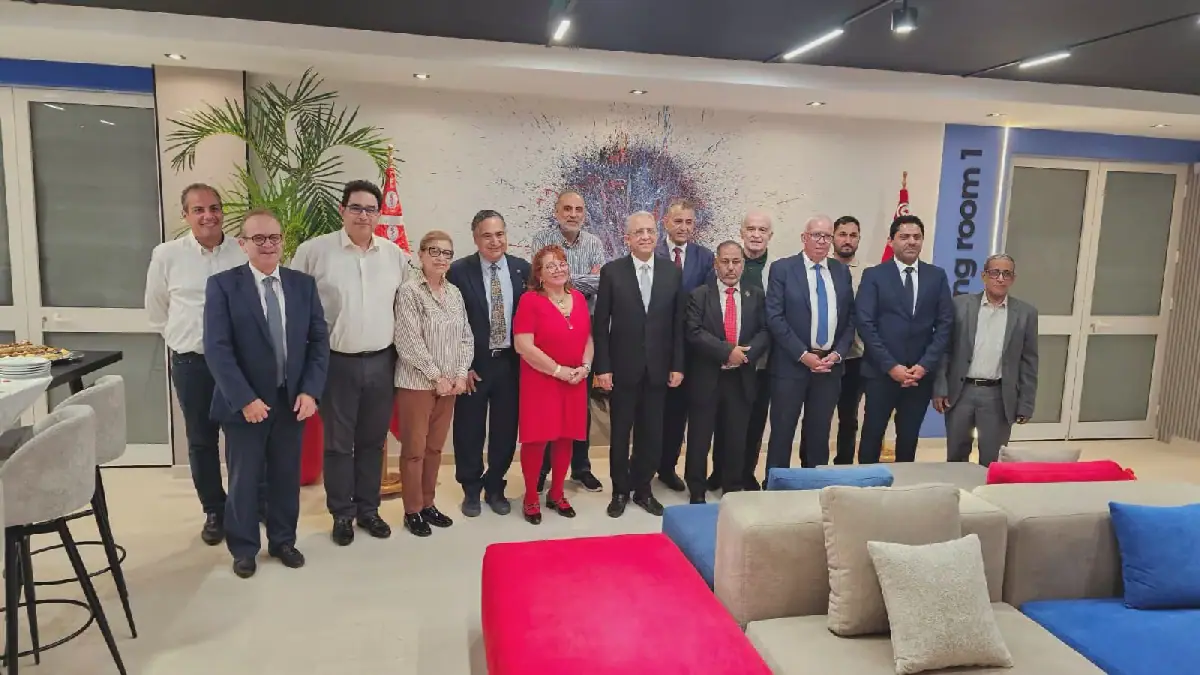
Tunisian Health Minister Dr. Mustapha Farjani opened a meeting of the Maghreb Federation of Medical Councils on Saturday, October 31, 2026, in Tunis. The meeting brought together representatives from the five Maghreb countries. Dr. Farjani emphasized the importance of cooperation in areas such as medical training, exchange of expertise, and facilitating the movement of doctors between countries.
The minister highlighted the need to harness the potential of telemedicine and artificial intelligence to bring healthcare services closer to patients and improve their care. He stressed the importance of respecting medical ethics and the independence of professional bodies in regulating the profession. The meeting aimed to strengthen cooperation between Maghreb countries to improve the quality of treatment and working conditions for doctors.
The Maghreb Federation of Medical Councils meeting is a significant step towards enhancing medical cooperation between countries in the region. The meeting discussed ways to promote medical training, exchange of expertise, and the free movement of doctors. This cooperation is expected to have a positive impact on the quality of healthcare services in the region.
Dr. Farjani's call for the use of AI and telemedicine is part of a broader effort to modernize and improve healthcare services in Tunisia. The use of technology is expected to increase access to healthcare services, particularly in rural areas. The minister's initiative has been welcomed by medical professionals and stakeholders in the healthcare sector.
The meeting of the Maghreb Federation of Medical Councils also discussed other issues related to medical practice and healthcare services in the region. These include the recognition of medical qualifications, the exchange of medical research, and the development of common standards for medical practice. The meeting provided a platform for medical professionals to share experiences and best practices.
The use of AI and telemedicine is expected to revolutionize healthcare services in Tunisia and other Maghreb countries. These technologies have the potential to improve diagnosis, treatment, and patient care. The Tunisian government has been investing in healthcare infrastructure and technology to improve healthcare services and outcomes.
The meeting of the Maghreb Federation of Medical Councils concluded with a commitment to strengthen cooperation and collaboration between countries in the region. The use of AI and telemedicine is expected to play a key role in this effort. The Tunisian Health Minister's call for the use of these technologies is a significant step towards improving healthcare services in the country and the region.
Key points
- The Tunisian Health Minister has called for the use of artificial intelligence and telemedicine to improve healthcare services in the country.
- The Maghreb Federation of Medical Councils meeting aimed to strengthen cooperation between countries in the region to improve the quality of treatment and working conditions for doctors.
- The use of AI and telemedicine is expected to increase access to healthcare services, particularly in rural areas, and improve diagnosis, treatment, and patient care.