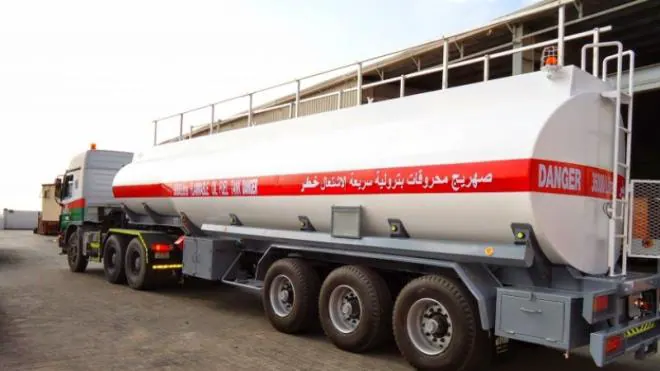
The General Union of Oil and Chemical Materials has announced that the Ministries of Finance and Industry have provided the necessary funding to cover social benefits for fuel transport workers. This comes after an agreement was signed on September 17, 2026, with petroleum companies to increase their profit margins. The increase in profit margins will enable companies to pay workers' financial dues and provide them with social coverage.
The agreement aims to resolve issues related to the implementation of the May 2, 2019 agreement, which includes special allowances and financial and social benefits for fuel transport workers. The General Secretary of the Oil and Chemical Materials Union, Salim Sahimi, stated that the increase in profit margins could lead to the cancellation of a planned strike by fuel transport workers on September 23 and 24.
The strike was announced on August 27, 2026, and is related to demands for social benefits and the implementation of the May 2019 agreement. Sahimi emphasized that the union is open to dialogue and negotiation to find a mutually acceptable solution. However, he stressed that the union is committed to carrying out the strike, as no conciliation session has been held so far.
Sahimi attributed the current situation to the Ministry of Social Affairs' failure to convene a conciliation session between the union and employers, as required by law. He noted that the union has found itself with no choice but to go ahead with the strike. The union's demands include the provision of social benefits and the implementation of the May 2019 agreement.
The May 2019 agreement includes provisions for special allowances, financial and social benefits, and the adjustment of profit margins and increases to enable companies to pay workers' dues. Sahimi stated that some clauses of the agreement could be renegotiated to satisfy both parties. The union's commitment to the strike has raised concerns about potential disruptions to fuel supplies.
The Tunisian government has been working to address the concerns of fuel transport workers. The Ministries of Finance and Industry have provided the necessary funding to cover social benefits, and an agreement has been signed with petroleum companies to increase their profit margins. The situation remains uncertain, with the union committed to carrying out the strike unless a mutually acceptable solution is found.
The strike by fuel transport workers could have significant implications for the country's economy and daily life. The union's demands are related to social benefits and the implementation of a previous agreement. The government's efforts to address the concerns of fuel transport workers are ongoing, with a focus on finding a solution that satisfies both parties.
Key points
- The Tunisian government has secured funding to cover social benefits for fuel transport workers through an agreement with petroleum companies.