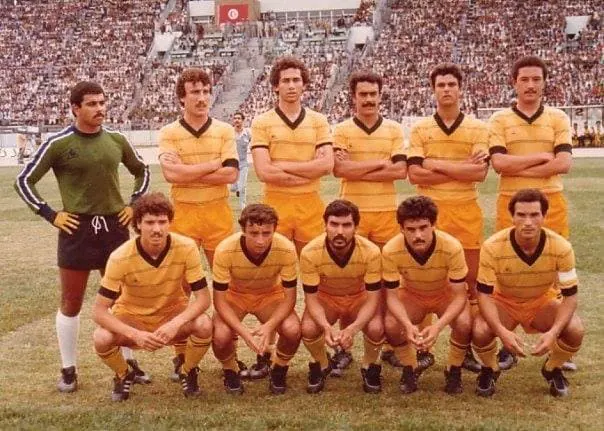
In Tunisia, a growing number of footballers are defying conventional age limits, continuing to play the sport they love well into their 30s and even 40s. This trend is attributed to a combination of factors, including financial motivation, advances in sports science, and a growing professional football culture. According to Salah Chellouf, a former defender with Club Athlétique Bizertin, the key to longevity lies in a player's motivation, which is now largely driven by financial rewards.
In the past, Tunisian footballers typically had shorter careers, often due to the demands of balancing sports with work or studies. Many players had to pursue careers outside of football to make ends meet, which made it difficult to maintain a high level of performance. However, with the introduction of professional football in the 1990s, players can now focus on their sport full-time, leading to longer and more successful careers. This shift has enabled players to prioritize their training, nutrition, and overall well-being.
One notable example of a Tunisian footballer who has enjoyed a long and successful career is Tarek Dhiab, who played for Espérance Sportive de Tunis from 1972 to 1990. Another example is Abdeljelil Mahouachi, who played for Club Athlétique Bizertin in two separate stints, from 1969 to 1981 and again in 1986-87. These players, along with others, have demonstrated that with dedication and hard work, it is possible to maintain a high level of performance well into one's 30s.
According to Hamza Mrad, a former defender with Club Africain, the secret to longevity lies in a player's ability to maintain a healthy lifestyle. He cites examples of international footballers such as Dino Zoff, Roger Milla, and Cristiano Ronaldo, who have all continued to play at a high level well into their 40s. Mrad attributes their success to a combination of factors, including a strict training regimen, a balanced diet, and a commitment to avoiding unhealthy habits.
Salah Chellouf also highlights the importance of financial motivation in extending a player's career. He notes that in the past, players were often motivated by the love of the game and the admiration of their fans, but today, financial rewards play a much larger role. With professional contracts, signing bonuses, and transfer fees, players can now earn a good living from their sport, which enables them to focus on their careers for longer.
The introduction of professional football in Tunisia has also led to changes in the way players approach their training and preparation. With access to better coaching, training facilities, and sports science, players can now optimize their performance and extend their careers. Additionally, the growing popularity of the sport has led to increased investment in youth development programs, which are helping to identify and nurture talented young players.
As Tunisian football continues to evolve, it will be interesting to see how the country's players respond to the challenges and opportunities presented by the professional game. With a growing focus on longevity and a commitment to healthy lifestyles, it is likely that more and more players will be able to enjoy long and successful careers in the sport they love. Key factors in this trend include financial motivation, advances in sports science, and a growing professional football culture.
Key points
- Financial motivation plays a significant role in extending a player's career.
- A healthy lifestyle, including a balanced diet and regular training, is essential for maintaining performance.
- The introduction of professional football in Tunisia has led to changes in the way players approach their training and preparation.