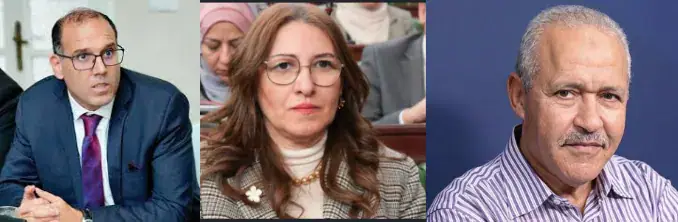
In response to Finance Minister Michket Slama Khaldi's call for citizens with alternative fiscal resources to contribute, Tunisian economists Aram Belhaj and Ridha Chkoundali have proposed several measures to increase revenue. They emphasize that the priority should be on strengthening the tax administration, combating tax evasion and fraud, revising tax benefits, and implementing credible structural reforms. These suggestions aim to generate additional revenue without placing excessive pressure on household savings.
Aram Belhaj has put forth several specific proposals to mobilize additional resources. One idea is to introduce an electronic travel visa for foreign visitors entering Tunisia without a visa, except for Maghreb nationals. This measure, inspired by the European ETIAS system, could generate around 250 million dinars from approximately 3 million visitors. He also suggests regularizing the country's motorcycle fleet, estimated at nearly 2 million units, with a symbolic tax of 25 dinars for registration and insurance, potentially yielding 50 million dinars.
Belhaj further recommends reinforcing the fight against tobacco smuggling through fiscal marking and tracing of cigarette packs. Reducing the parallel market, estimated at a quarter of consumption, could yield around 100 million dinars annually. Additionally, valorizing state-owned agricultural lands could generate revenue; with around 500,000 hectares available, of which only 38% are rented, revising rents and leasing abandoned lands could yield about 50 million dinars. A progressive reform of the flat-rate regime, affecting over 500,000 taxpayers, could also generate 50 million dinars.
Ridha Chkoundali criticizes the finance minister's appeal, arguing it oversimplifies the crisis by focusing solely on extracting more money from citizens. He warns that excessive fiscal pressure can weaken economic activity, discourage investment and savings, and reduce the tax base. Chkoundali cites Ibn Khaldoun's theory on the inverse relationship between high fiscal pressure and state revenue. He questions the remaining savings of Tunisian households, noting that the savings rate was only 3% in 2025, down from 8.6% in 2021.
Chkoundali also questions the use of resources already mobilized by the state, citing estimates of 25 billion dinars injected by the Central Bank over three years to finance public treasury needs. He calls for an assessment of the results in areas such as health, infrastructure, public transport, and public enterprise reform. The state, he argues, should not be seen merely as a cash box but as an institution based on public services, investments, development, and trust.
Both experts agree that the state should prioritize strengthening fiscal governance, improving tax collection, combating leaks, and engaging in credible structural reforms before asking households for further sacrifices. Aram Belhaj's proposals focus on concrete measures to mobilize resources, while Ridha Chkoundali emphasizes the need for trust, purchasing power, and an evaluation of implemented policies.
The suggestions from Belhaj and Chkoundali highlight the need for a comprehensive approach to addressing Tunisia's fiscal challenges. Their proposals aim to generate around 2.5 billion dinars without considering fiscal benefits, which cost an estimated 10 billion dinars in 2025. The experts' emphasis on reform and efficient governance underscores the importance of strategic measures to boost revenue and promote economic stability.
Key points
- Experts propose alternative fiscal measures to generate 2.5 billion dinars.
- Measures include visa fees for foreign visitors and regularization of motorcycle fleet.
- Experts emphasize need for credible structural reforms and efficient governance.
Reporting sources
- Ressources fiscales: Aram Belhaj et Ridha Chkoundali proposent d’autres alternatives · L'Économiste maghrébin