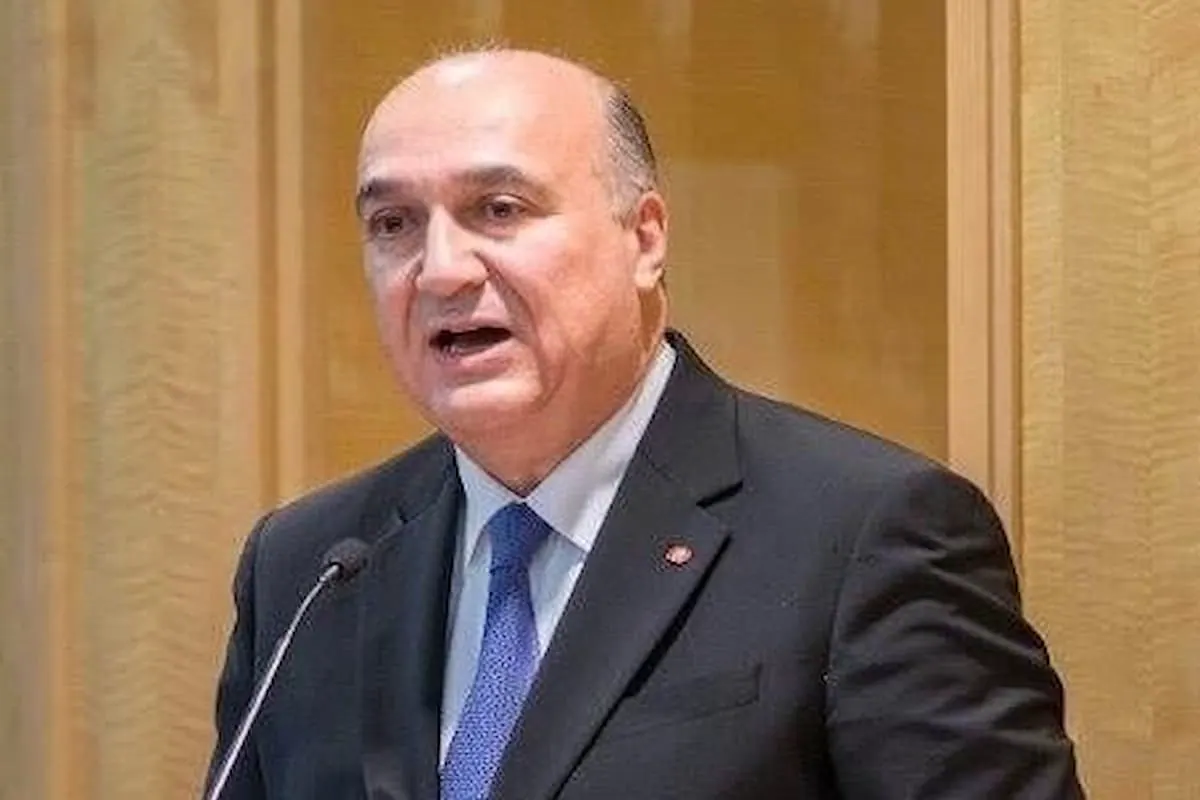
Former Tunisian diplomat Elyes Kasri has proposed a 'Master Plan Tunisia 2040' to fundamentally transform the country's economic and social model. As 2027 approaches, Kasri notes that Tunisia is at a crossroads, with economic recovery and social peace yet to materialize. He advocates for a thorough evaluation of economic choices made since 2011 to inform necessary decisions. This plan aims to shift focus from short-term measures to long-term, ambitious projects that can drive national development.
Kasri criticizes the current approach of passive distribution of subsidies and allocations, which he believes has limitations and fails to create future prospects. Instead, he suggests a policy of large-scale national projects. He disputes the notion that funding is a constraint, arguing that well-conceived projects can attract technical assistance and financing. The example of the Enfidha airport and the abandoned deep-water port project serve as cautionary tales. Kasri emphasizes the need to abandon electoral or regionalist criteria in project selection.
To develop the 'Master Plan Tunisia 2040', Kasri recommends a scientific approach, involving a reputable international consulting firm working closely with Tunisian experts. Each proposal would undergo a rigorous socio-economic feasibility study. Once validated, the plan's implementation would be entrusted to a government of sectoral experts, shielded from political turmoil and guided by a strict timeline. This approach aims to restore vision, rigor, and audacity in Tunisia's development strategy.
Kasri identifies two key financing levers for the plan: transition energy and diaspora funding. He suggests creating a Sovereign Energy Savings Plan to mobilize Tunisian savings for energy transition projects, offering attractive fiscal incentives. This would enable citizens to become co-investors in the country's energy independence, securing their savings, social peace, and national sovereignty. Additionally, Kasri proposes a stock market mechanism to attract funds from Tunisians living abroad.
The plan also involves reorienting Tunisia's international relations towards a diplomacy of national development. Kasri advocates for subordinating international relations to tangible, measurable economic effectiveness criteria aligned with the 2040 Master Plan. Each diplomatic mission would be evaluated based on its direct contribution to the country's development effort. This requires a structural correction, including the reintegration of international cooperation within the Foreign Affairs Ministry.
Kasri emphasizes the importance of decentralization and institutionalizing new economic corridors through existing twinning agreements. He targets specific cities or regions to maximize the impact of cooperation. By leveraging these partnerships, Tunisia can access new funding sources, expertise, and markets. The goal is to create a unified and coherent national voice in international relations.
The 'Master Plan Tunisia 2040' aims to break the cycle of uncertainty and usher in a new era of sustainable economic growth and social peace. By focusing on large-scale projects, innovative financing mechanisms, and a revamped diplomatic approach, Kasri's plan seeks to restore Tunisia's development trajectory. The proposal has sparked interest and debate, as the country looks to revitalize its economy and society.
Key points
- Former diplomat Elyes Kasri proposes a 'Master Plan Tunisia 2040' to transform Tunisia's economic and social model through large-scale projects and innovative financing mechanisms.