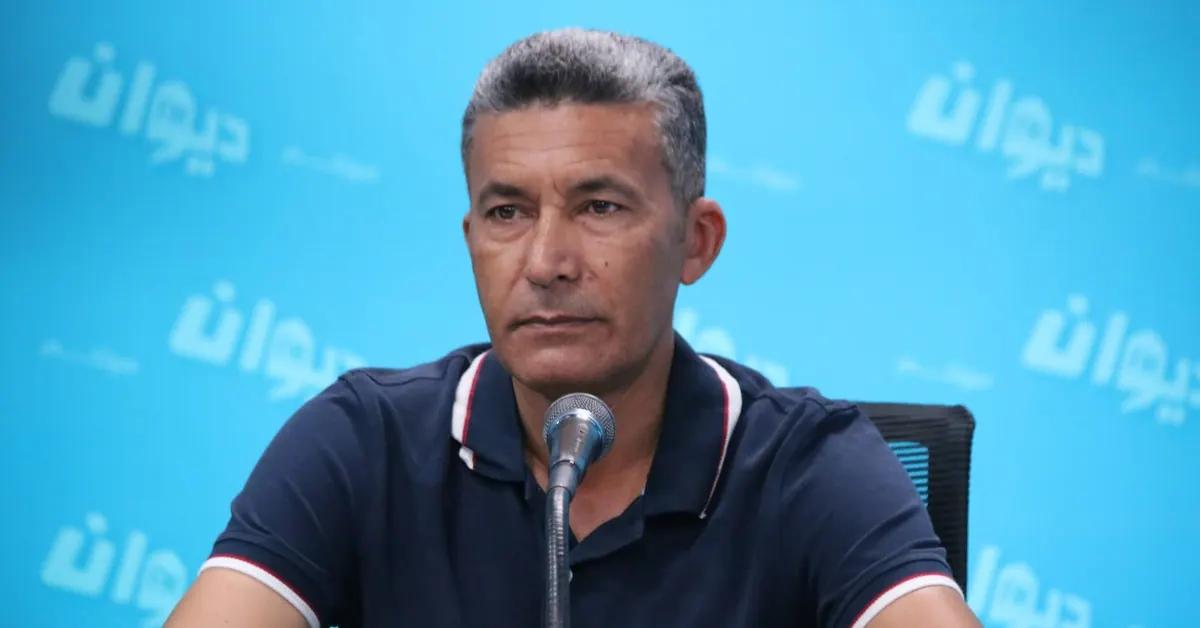
Tunisian development expert Ihab Ben Salem has emphasized the need for focused efforts on several strategic priorities in 2027, as part of the country's 2026-2030 development plan. He highlighted the importance of upgrading the energy and water infrastructure, enhancing food security, and revitalizing the national economy. These priorities aim to address recent challenges and promote sustainable development in Tunisia.
Ben Salem stressed that the energy and water sectors require urgent attention to prevent future difficulties. He advocated for accelerated investment in renewable energy to boost national production capacity, improve electricity transmission networks, and enable the Tunisian Electricity and Gas Company to better manage demand and avoid prolonged outages. This strategic move is expected to enhance the country's energy security and reduce reliance on non-renewable sources.
The expert also underscored the significance of ensuring access to clean water for drinking and irrigation, citing its crucial role in achieving food security. He emphasized that supporting healthcare and education institutions is another vital priority, ensuring the continuity of essential services and addressing existing challenges. Ben Salem suggested that other infrastructure projects could be deferred based on available resources.
Regarding the economy, Ben Salem warned of indicators suggesting a potential recession, emphasizing the need to revitalize economic activity in 2027. He advocated for stimulating investment by addressing obstacles and issues hindering the business climate in Tunisia. This approach aims to foster wealth creation and economic growth, reducing reliance on annual borrowing and associated budgetary burdens.
Ben Salem identified two primary paths to achieve economic revitalization. The first involves direct measures to stimulate investment, while the second entails reforming the general tax philosophy, focusing on short-term achievements and partial reforms. These strategies are expected to contribute to a more favorable business environment and promote economic growth.
The development expert highlighted the challenges in evaluating progress toward the 2026-2030 development plan due to a lack of accurate data. He emphasized the importance of reliable statistics to assess progress, make informed decisions, and adjust strategies as needed. This data-driven approach will enable Tunisia to effectively implement its development plan and address emerging challenges.
Ben Salem's statements were made during an appearance on the "Hena Touns" program, where he discussed the priorities for 2027 and the importance of addressing pressing challenges. His insights reflect the need for a comprehensive approach to sustainable development, encompassing energy, water, economy, and social aspects. By addressing these priorities, Tunisia aims to achieve sustainable growth and improve the quality of life for its citizens.
Key points
- Expert Ihab Ben Salem emphasizes the need for accelerated investment in renewable energy to enhance Tunisia's energy security.
- Revitalizing the economy and promoting investment are crucial priorities for 2027, according to Ben Salem.
- Ensuring access to clean water and supporting healthcare and education institutions are vital for achieving food security and social stability.