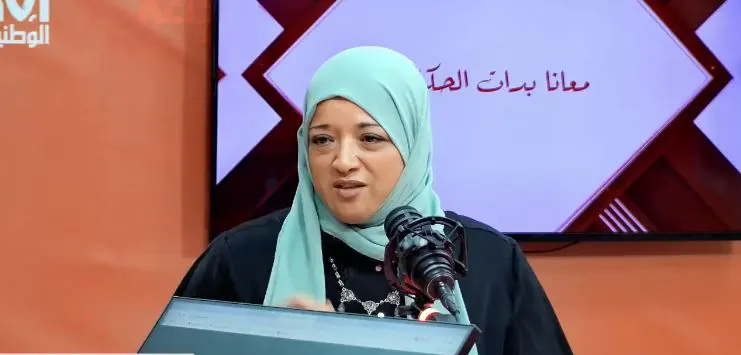
Tunisian Deputy Asma Darwish stated that some chapters of the 2026 finance law have not been implemented due to their association with financial obligations and the allocation of funds for their execution. In an interview on September 22, 2026, Darwish mentioned that the executive orders for several laws have not been issued yet, particularly those related to the benefits of people with disabilities, such as access to cars and a fund for the promotion of people with special needs and economic integration.
Darwish also noted that the law on the appointment of holders of higher diplomas and the regularization of teachers and deputy professors has not been enforced due to the requirement of significant financial allocations. She emphasized that it is unacceptable for laws to not be implemented, especially since they were passed by the Parliament as the legislative body in the country. Darwish stressed the importance of working in harmony between all authorities to ensure the implementation of laws on the ground.
The Deputy called for the revision of the constitution to clarify the tasks and functions between the Parliament, the Government, and the Presidency. She suggested establishing a national cell that includes all ministries to coordinate during crises and improve the language of dialogue and communication. Darwish also emphasized that the Parliament's work is legislative and oversight of the Government, and it is not possible to work in contradiction between the authorities.
Regarding the frequent power and water outages recorded during the summer of 2026, Darwish stressed the need to support the Tunisian Electricity and Gas Company (STEG) and the National Company for the Exploitation and Distribution of Water (SONDE), as well as the National Sanitation Office, with necessary funding to reform them. She highlighted the need to find definitive solutions to the problems of these companies by providing the necessary equipment and human resources.
Darwish proposed that the national cell would help improve coordination and communication between the different authorities and stakeholders. She emphasized that this would enable the implementation of laws and policies on the ground and improve the delivery of services to citizens. The Deputy also noted that the Parliament would continue to exercise its legislative and oversight roles to ensure that the Government is held accountable.
The issue of non-implementation of laws has been a recurring problem in Tunisia, with many laws passed by the Parliament not being enforced due to various reasons, including financial constraints. Darwish's call for the revision of the constitution and the establishment of a national cell for coordination and communication is seen as a step towards addressing these issues. The Deputy emphasized that the ultimate goal is to ensure that laws are implemented on the ground and that citizens benefit from the services and policies.
In conclusion, Darwish emphasized the importance of cooperation and harmony between the different authorities to ensure the implementation of laws and policies. She noted that the Parliament, the Government, and the Presidency must work together to address the challenges facing the country and to provide services to citizens. The Deputy also stressed the need for transparency and accountability in the implementation of laws and policies.
Key points
- Tunisian Deputy Asma Darwish calls for the revision of the constitution to clarify the tasks and functions between the Parliament, the Government, and the Presidency.