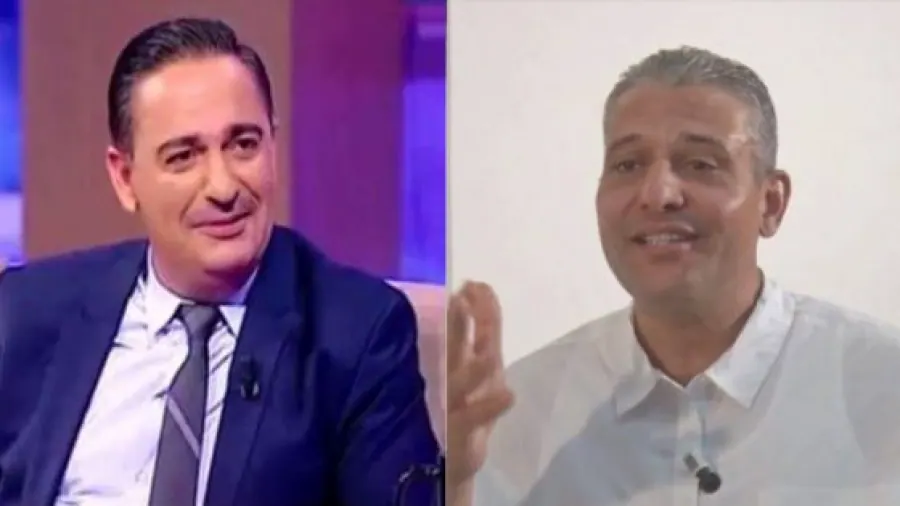
The Tunisian judiciary has postponed the trial of Shafik Jaraya, a prominent businessman, and Imad Trabelsi, son-in-law of the late President, to October 26. The trial, which was set to take place at the Tunis Court of First Instance, has been adjourned until the specified date. The case involves allegations of financial and administrative corruption, as well as embezzlement of public funds.
The postponement was announced by the criminal chamber specializing in financial corruption cases at the Tunis Court of First Instance. The court has deemed the postponement as final, with no further adjournments expected. Jaraya and Trabelsi are accused of involvement in a corruption case that has been under investigation for some time.
Shafik Jaraya is a well-known businessman in Tunisia, with interests in various sectors. Imad Trabelsi, on the other hand, is the son-in-law of the late President Zine El Abidine Ben Ali, who ruled Tunisia from 1987 to 2011. The case has garnered significant attention due to the high-profile nature of the accused individuals.
The trial's postponement has sparked concerns among Tunisian citizens, who are eager to see justice served in cases of corruption. Tunisia has a history of corruption, particularly during the rule of President Ben Ali, who was ousted in 2011. The country's judiciary has been working to address these issues and hold those responsible accountable.
The case against Jaraya and Trabelsi involves allegations of misappropriation of public funds and corruption. The investigation has been ongoing for some time, with authorities gathering evidence and testimony from various individuals. The trial's outcome is expected to have significant implications for the country's efforts to combat corruption.
The Tunisian government has been working to strengthen its anti-corruption efforts, with a focus on holding high-profile individuals accountable. The country's international partners have also been supportive of these efforts, providing technical assistance and financial support to help Tunisia build its capacity to address corruption.
The trial of Shafik Jaraya and Imad Trabelsi is expected to be a significant test of Tunisia's judicial system and its ability to hold those in power accountable. The outcome of the trial will be closely watched by Tunisian citizens and international observers alike, as the country continues its efforts to build a more transparent and accountable government.
Key points
- The trial of Shafik Jaraya and Imad Trabelsi has been postponed to October 26.
- The case involves allegations of financial and administrative corruption, as well as embezzlement of public funds.
- The trial's outcome is expected to have significant implications for Tunisia's efforts to combat corruption.