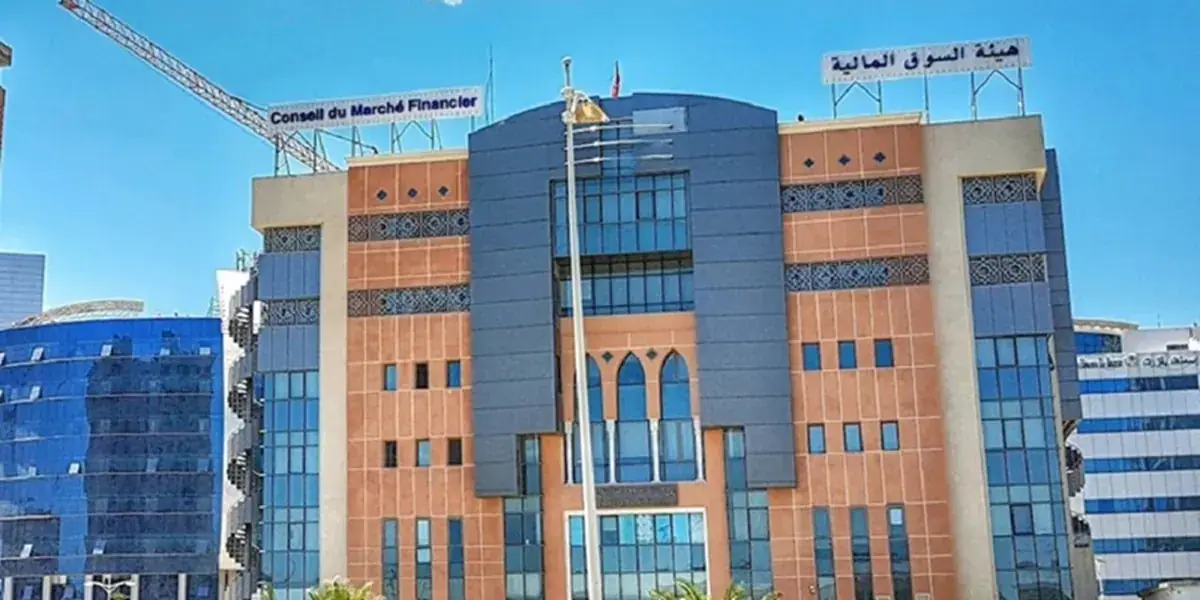
A recent study by the Tunisian Financial Market Council (CMF) evaluated the sustainability reporting of 121 companies listed on the stock exchange. The study found that while 98.46% of individual financial statements and 85.11% of consolidated financial statements include an environmental, social, and governance (ESG) note, the quality of the information provided is generally low. The average score for sustainability reporting was 1.9 out of 5.
The CMF study assessed the sustainability reporting of companies based on several criteria, including the presentation of information, the explanation of the financial consequences of sustainability issues, and the use of sector-specific indicators. The presentation of information was found to be the strongest aspect, with a score of 3.29 out of 5. However, companies struggled to explain the financial consequences of sustainability issues, scoring 1.93 out of 5.
One of the main challenges identified by the CMF was the lack of specific and quantifiable data in sustainability reporting. The study found that sector-specific indicators scored an average of 0.85 out of 5, with many companies providing general or undefined indicators. The quantification of sustainability data scored an average of 1 out of 5.
The CMF study also evaluated 18 voluntary ESG or social responsibility reports for 2024. These reports scored an average of 2.05 out of 5, with only four exceeding the 2.5 out of 5 threshold considered acceptable by the CMF. The study noted that the scores reflect the quality of the information published, not the companies' environmental or social performance.
The CMF is calling on companies to improve the accuracy, comparability, and usefulness of their sustainability reporting. The regulator notes that this was the first exercise of its kind and that companies were given flexibility to provide partial information accompanied by explanations. However, the CMF emphasizes that future reports must provide more precise and comparable data to support investor decision-making.
The study's findings are based on the analysis of 121 companies that made a public appeal for savings, including listed and non-listed companies. The CMF evaluated the companies' sustainability reporting based on their individual and consolidated financial statements, as well as voluntary ESG reports. The regulator plans to continue monitoring and evaluating sustainability reporting in Tunisia.
The CMF's report on sustainability highlights the need for improved transparency and accountability in Tunisian companies' sustainability reporting. The regulator's recommendations aim to enhance the usefulness of sustainability information for investors and support the development of a more sustainable and responsible business environment in Tunisia.
Key points
- Tunisian companies' sustainability reporting scores an average of 1.9 out of 5.
- The Financial Market Council calls for more precise and comparable data in sustainability reporting.
- Only four out of 18 voluntary ESG reports exceeded the 2.5 out of 5 threshold considered acceptable.