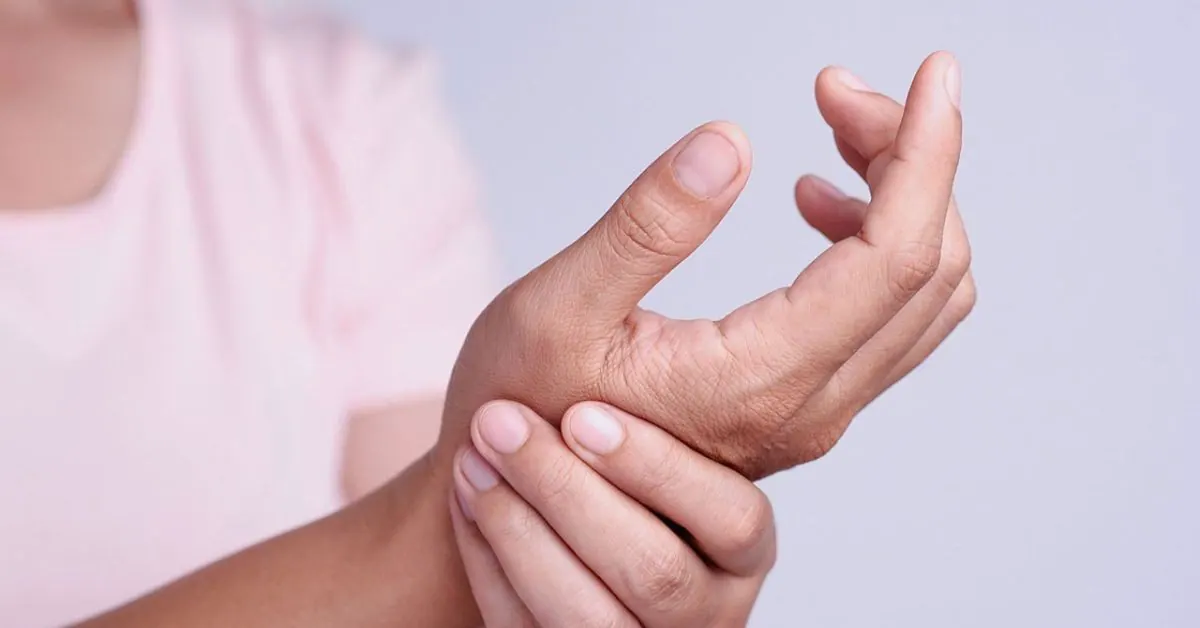
The Tunisian Association for Rheumatism Resistance, led by Dr. Rouda Tekia, emphasizes that persistent joint pain should not be dismissed as a natural consequence of aging. Instead, it should be diagnosed and treated promptly to prevent long-term damage. According to Dr. Tekia, rheumatic diseases encompass a wide range of conditions that affect not only the joints but also the bones, muscles, spine, and surrounding tissues.
Rheumatic diseases can affect individuals at any stage of life, from childhood to old age, and can significantly impact daily life, mobility, and independence. Dr. Tekia stresses that early diagnosis and regular monitoring are crucial in managing these conditions. If left untreated or misdiagnosed, rheumatic diseases can lead to severe consequences, including chronic pain, disability, and decreased quality of life.
The association highlights that rheumatic diseases have evolved significantly in recent years, with advancements in diagnostic tools, treatment options, and follow-up care. This progress has enabled better management of chronic inflammatory rheumatic diseases, reducing complications and preserving mobility and quality of life, particularly when diagnosed and treated promptly.
To raise awareness about rheumatic diseases and dispel common misconceptions, the Tunisian Association for Rheumatism Resistance is organizing an open event on October 10, 2026, in multiple locations across Tunisia, including Tunis, Monastir, and Sfax. The event aims to educate the public about the importance of prevention, early diagnosis, and treatment, as well as the role of physical activity and a healthy lifestyle in managing rheumatic diseases.
Dr. Tekia emphasizes that ignoring persistent joint pain or attributing it to aging can delay diagnosis and treatment, potentially leading to severe consequences. She encourages individuals experiencing persistent joint pain to seek medical attention promptly, rather than dismissing it as a normal part of aging.
The association's efforts focus on promoting a better understanding of rheumatic diseases, which affect millions of people worldwide. By raising awareness and promoting education, the association aims to improve the lives of individuals living with rheumatic diseases and reduce the burden on healthcare systems.
The World Rheumatism Day, celebrated annually in October, provides an opportunity for the association to highlight the importance of awareness, prevention, and treatment of rheumatic diseases. By working together, healthcare professionals, patients, and the public can make a positive impact on the lives of individuals affected by these conditions.
Key points
- Persistent joint pain should not be considered a normal part of aging and should be diagnosed and treated promptly.