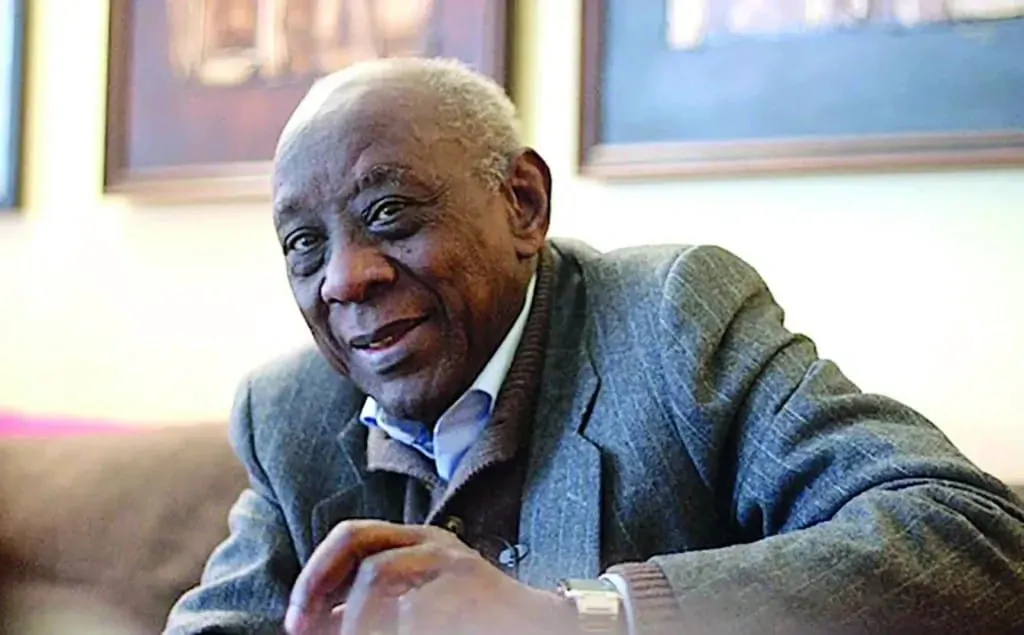
Cheikh Hamidou Kane, a celebrated Senegalese author and intellectual, has died at the age of 98. Kane was best known for his 1961 novel "L'Aventure ambiguë", which explored the complexities of African identity and culture in the face of colonialism. His writing often grappled with the tensions between tradition and modernity, and his work continues to be widely read and studied today. Kane's legacy extends beyond his writing, as he played a significant role in Senegal's struggle for independence and sovereignty. He was a prominent figure in the country's literary and intellectual circles.
Kane's early life was marked by a blend of traditional Islamic education and Western-style schooling. He was educated in the pure and strict tradition of Islam, but also attended colonial school, where he learned "the art of winning war without reason". This dichotomy would later influence his writing, as he explored the complexities of African identity and culture. Kane's work was not limited to literature; he was also a politician and activist who worked alongside prominent figures such as Abdoulaye Wade, Joseph Ki-Zerbo, Léopold Sédar Senghor, and Mamadou Dia. His commitment to African sovereignty and independence drove his work.
Kane's most famous novel, "L'Aventure ambiguë", was published in 1961 and told the story of Samba Diallo, a young Senegalese man navigating the challenges of colonialism and cultural identity. The novel was a critical and commercial success, and it cemented Kane's reputation as a major literary voice. He went on to write several other works, including "Les Gardiens du Temple", which was published in 1996. Kane's writing often explored the tensions between tradition and modernity, and his work continues to be widely read and studied today. His legacy as a writer and intellectual is undeniable.
Kane's impact extended beyond the literary world. He was a key figure in Senegal's struggle for independence and sovereignty, and he worked tirelessly to promote African culture and identity. Kane was part of a generation of African intellectuals who sought to challenge colonialism and promote a more nuanced understanding of African culture. His work with the Fédération des étudiant de l'Afrique helped lay the groundwork for the continent's future intellectual and cultural leaders. Kane's commitment to African sovereignty and independence drove his work and inspired a generation of writers and intellectuals.
Kane's writing often explored the complexities of African identity and culture, and his work continues to resonate with readers today. His novels are characterized by their nuanced exploration of the tensions between tradition and modernity, and their thoughtful portrayal of the challenges faced by African societies. Kane's legacy as a writer and intellectual is undeniable, and his work continues to be widely read and studied today. His passing has been met with an outpouring of tributes and condolences from the literary and intellectual communities. Kane's impact on African literature and culture is immeasurable.
The Senegalese literary community is mourning the loss of a giant. Kane's passing has been met with an outpouring of tributes and condolences from writers, intellectuals, and readers across the continent. His legacy as a writer and intellectual will continue to inspire future generations of African writers and thinkers. Kane's work will continue to be widely read and studied, and his impact on African literature and culture will be felt for years to come. His commitment to African sovereignty and independence will remain an important part of his legacy.
Kane's death has been described as the loss of a "baobab" and a "library" by the African literary community. His passing leaves a void in the world of African literature and intellectual thought. Kane's work will continue to be celebrated and studied, and his legacy as a writer and intellectual will endure. His contributions to African literature and culture are immeasurable, and his impact will be felt for generations to come. Kane's life and work serve as a testament to the power of literature and intellectual thought to shape our understanding of the world.
Key points
- Cheikh Hamidou Kane, a celebrated Senegalese author and intellectual, has died at the age of 98.
- Kane was best known for his 1961 novel "L'Aventure ambiguë", which explored the complexities of African identity and culture in the face of colonialism.
- Kane's legacy extends beyond his writing, as he played a significant role in Senegal's struggle for independence and sovereignty.