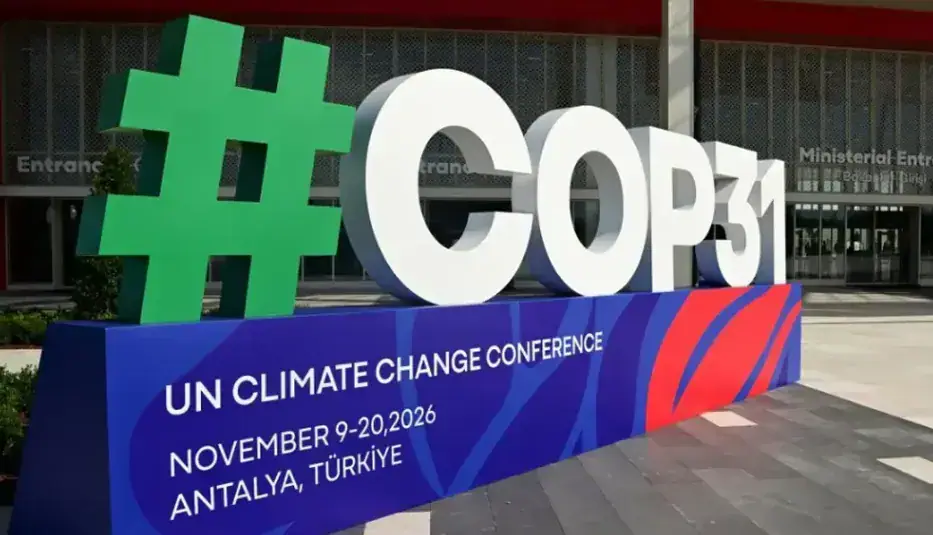
Tunisia is facing significant climate-related challenges, including erratic rainfall patterns that are impacting the country's agricultural season. A recent discussion on Radio Jeunes highlighted these issues, featuring environmental expert Youns Hamed, environmental communication specialist Mabruka Khudair, and expert Ramzi Bzazza. They reviewed the outcomes of the 31st United Nations Climate Change Conference in Antalya, Turkey, which brought together 197 countries to accelerate the implementation of the Paris Agreement.
The conference focused on reducing carbon emissions and supporting green transition initiatives and resilient cities. A Tunisian delegation attended the conference, aiming to showcase the country's experience and involve young people in climate policies. However, the discussions also highlighted significant geopolitical and environmental challenges, including the withdrawal of the United States and the impact of ongoing conflicts in Gaza, Ukraine, and the Gulf.
These conflicts have resulted in hazardous radioactive and chemical pollution, exacerbating climate change. In this context, Tunisia's main challenge lies in its ability to present convincing cases for securing funding from green funds to implement climate adaptation projects. The country's delegation will focus on highlighting the importance of leveraging its environmental heritage and promoting sustainable agricultural practices.
Tunisia's environmental heritage, particularly its sustainable agricultural practices, is seen as a vital component in addressing climate change. The country's agricultural sector is critical to its economy and food security, and efforts to preserve and enhance this sector are essential. By promoting eco-friendly agricultural practices and supporting climate-resilient projects, Tunisia aims to mitigate the impacts of climate change.
The discussion on Radio Jeunes emphasized the significance of involving young people in climate policies and promoting environmental education. This is crucial in raising awareness about climate change and its impacts, as well as in developing effective strategies for mitigation and adaptation. By engaging young people in climate discussions, Tunisia can build a stronger, more sustainable future.
The challenges facing Tunisia are significant, but the country's commitment to addressing climate change is clear. By securing funding for climate adaptation projects and promoting sustainable practices, Tunisia can reduce its vulnerability to climate-related impacts and build a more resilient future. The international community has a critical role to play in supporting Tunisia's efforts, particularly through the provision of green funding.
As Tunisia continues to navigate the complexities of climate change, the country's experience and expertise will be essential in informing global climate policies. By sharing its knowledge and expertise, Tunisia can contribute to the development of more effective climate solutions and support the achievement of global climate goals.
Key points
- Tunisia seeks funding for climate adaptation projects to address erratic rainfall patterns and support sustainable agriculture.
Reporting sources
- Radio Jeunes · Radio Jeunes