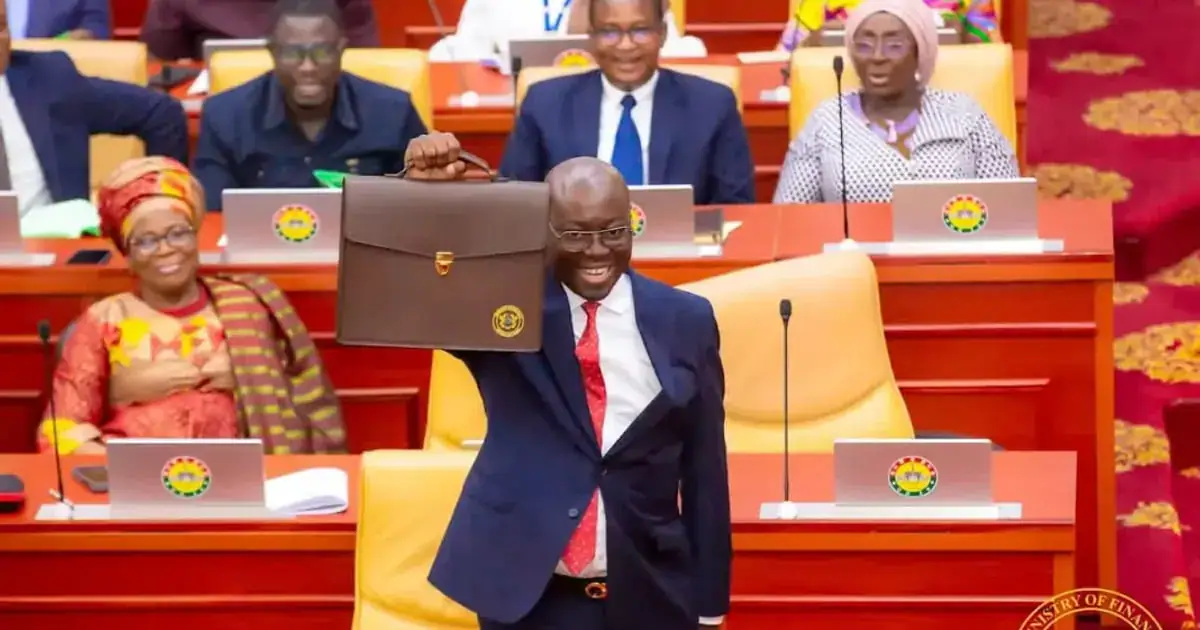
The Integrated Social Development Centre (ISODEC) has expressed concerns over the 2027 budget statement, citing the absence of a tax expenditure statement. Despite welcoming commitments to introduce no new taxes and review key legislation, ISODEC argues that the budget adds new exemptions and incentives without addressing revenue leaks. The organization urges the government to prioritize closing revenue leaks and improving compliance before considering measures that may pressure households and workers.
ISODEC notes that the budget allocates significant funds to various sectors, including GH¢10.2 billion for the National Health Insurance Scheme, GH¢1.1 billion for Livelihood Empowerment Against Poverty (LEAP), and GH¢2.1 billion for school feeding. The organization also welcomes investments in infrastructure, such as the US$1 billion Pwalugu Multipurpose Dam and GH¢820 million for the northern Ghana water system. However, ISODEC emphasizes that headline allocations are insufficient evidence of improved support, and the government must demonstrate a commitment to transparency and equity.
The organization acknowledges the government's decision to lower the primary surplus target to 0.5% of GDP and allocate GH¢30 billion to a New Economy investment program. ISODEC also notes the increase in capital expenditure to GH¢100.4 billion, which is now larger than interest payments. However, the organization argues that the budget lacks measurable commitments on jobs, transparency, and equity. ISODEC's assessment reveals that out of 28 pre-budget asks, 5 were met, 15 were partly met, and 8 were not met.
ISODEC emphasizes that Ghana has made progress on macroeconomic stabilization, but the 2027 budget must address persistent unemployment, weak productive capacity, and foreign-exchange pressures. The organization argues that the fiscal framework should be judged by its effects on employment, inflation, and the external balance, rather than pursuing a fiscal ratio in isolation. ISODEC also expresses concerns about the execution gap and urges the government to explain how it will ensure that approved capital allocations translate into completed projects and economic activity.
The organization welcomes the removal of the cap on youth employment funding and the allocation of GH¢2 billion for youth employment and skills. However, ISODEC notes that the budget lacks a 2027 employment target or a consolidated jobs target across the eight pillars. The organization argues that without these details, it is difficult to assess whether the announced programs are commensurate with the scale of unemployment and youth exclusion.
ISODEC also criticizes the absence of a public employment guarantee pilot, particularly in deprived districts in Northern Ghana. The organization suggests that the government could use labor-intensive public investment in climate adaptation, irrigation, feeder roads, care, and community services to provide paid work while meeting urgent development needs. ISODEC emphasizes that skills programs must be linked to vacancies and the requirements of productive firms.
In conclusion, ISODEC's assessment of the 2027 budget highlights both positive and negative aspects. While the organization welcomes certain commitments, it emphasizes that the budget lacks measurable targets, transparency, and equity. ISODEC urges the government to address these concerns and prioritize closing revenue leaks, improving compliance, and promoting employment and production.
Key points
- ISODEC urges the Ghanaian government to close revenue leaks before introducing new taxes.
- The 2027 budget lacks a tax expenditure statement and measurable commitments on jobs, transparency, and equity.
- ISODEC welcomes investments in infrastructure and social programs but emphasizes the need for transparency and equity in budget implementation.