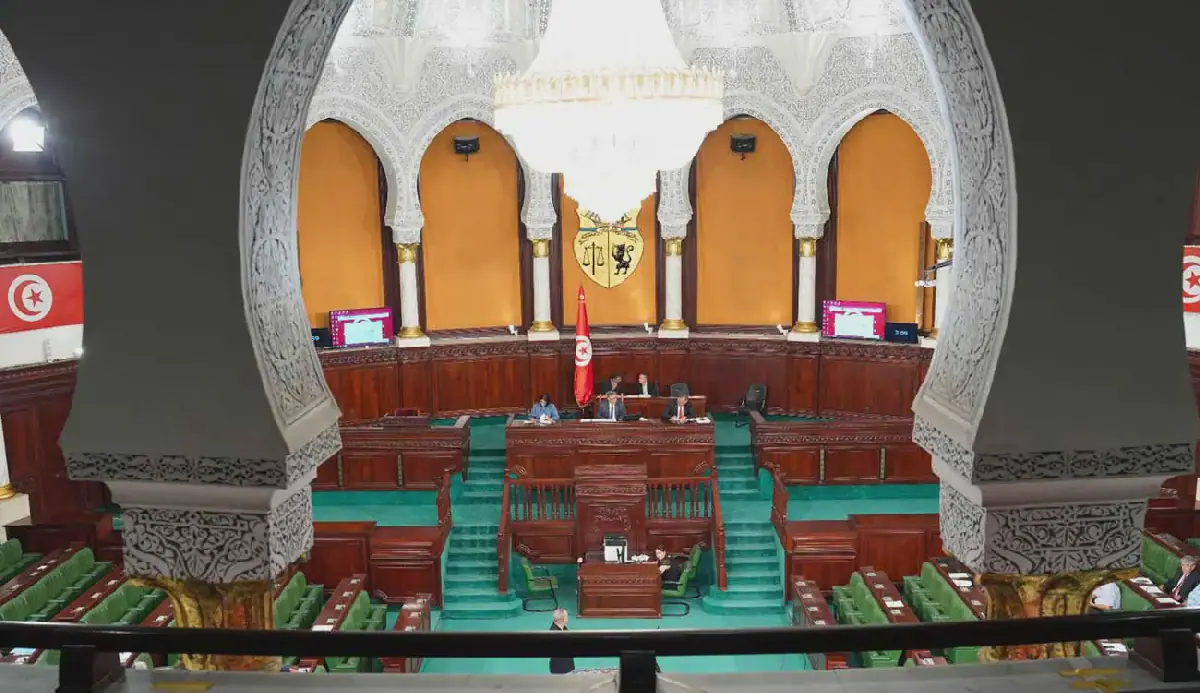
Tunisia's Minister of Finance, Michket Slama Khaldi, presented the country's 2027 budget to parliament, outlining a development expenditure of 12,530 million dinars, a 7.6% increase from 2026. The budget aims to boost economic growth while enhancing food, water, and energy security. The minister emphasized the government's commitment to supporting purchasing power, with 11,846 million dinars allocated for subsidies.
The 2027 budget also focuses on social welfare, with continued public sector recruitment and a more progressive tax system for low-income households and small businesses. According to Minister Khaldi, the government seeks to stimulate growth while ensuring the country's economic stability. The budget is designed to address Tunisia's economic challenges, including a significant informal economy.
The informal economy in Tunisia has become a pressing concern, with nearly 79,000 undeclared economic activities operating in the shadows. Minister Khaldi revealed that this sector now accounts for over 35% of the country's overall economic activity. To combat this issue, the government plans to intensify control and awareness measures, which generated 7.3 billion dinars in revenue in 2025.
To reduce reliance on debt and increase revenue, Minister Khaldi called for the creation of more wealth through economic diversification. The government aims to stimulate economic growth while reducing its debt burden. This approach is part of a broader strategy to achieve economic stability and sustainable growth.
The 2027 budget is part of a larger effort to reform Tunisia's economy and address its challenges. The government has been working to implement reforms and stimulate economic growth. Minister Khaldi's presentation to parliament highlights the government's commitment to transparency and accountability in its economic policies.
Tunisia's economic challenges are complex and multifaceted. The country's reliance on debt and its significant informal economy are pressing concerns. However, the 2027 budget offers a promising approach to addressing these issues. By prioritizing development expenditure, social welfare, and economic diversification, the government aims to achieve sustainable growth.
The government's efforts to address Tunisia's economic challenges have been ongoing. Recent initiatives include a plan to rescue and invest in key industries, such as El Fouladh, Ciments de Bizerte, and the Société tunisienne du sucre. These efforts demonstrate the government's commitment to stimulating economic growth and achieving economic stability.
Key points
- The 2027 budget allocates $12.5 billion for development, aiming to stimulate growth while addressing informal economy concerns.
Reporting sources
- Budget 2027 : 12,5 milliards de dinars pour le développement, tandis que l’économie informelle représente plus de 35 % de l’activité en Tunisie · Radio Tunis Chaîne Internationale