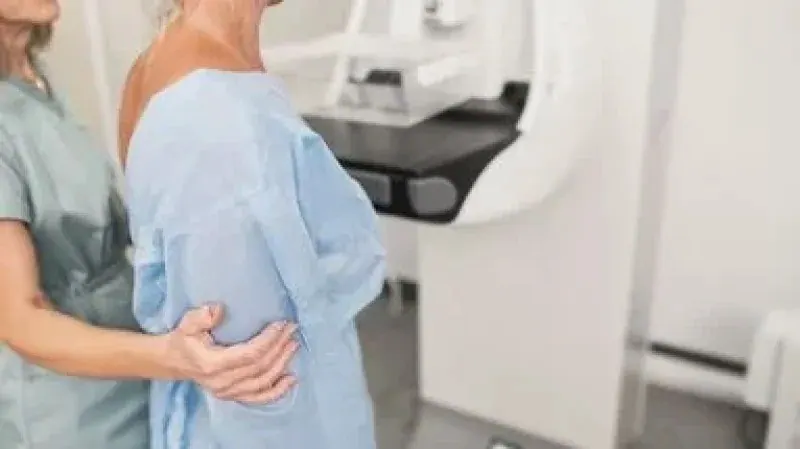
Tunisia's healthcare system is set to expand its remote mammography services to six regions by the end of 2026. According to Habiba Mizouni, head of the radiology department at Rabta Hospital in Tunis, the regions slated to benefit from this service include Tozeur, Jendouba, Béja, Siliana, Gabès, and Medenine. This move aims to improve access to medical care, particularly for patients in remote areas.
The initiative is part of a broader effort to connect medical equipment to the national hospital information system. Mizouni noted that a pilot project launched in Tozeur has successfully connected the regional hospital to a digital platform, enabling medical staff to view and share images, and transfer results promptly. This has reduced waiting times and eliminated the need for patients to travel to the capital or university hospitals.
The expansion of remote mammography services is expected to address the shortage of specialized medical professionals in regional areas. Mizouni emphasized that all regional hospitals have been equipped with scanners, magnetic resonance imaging (MRI) machines, and mammography equipment since October 2025. This development is a significant step towards strengthening the country's healthcare infrastructure.
The introduction of remote mammography services is aligned with Tunisia's health ministry strategy to digitize the healthcare sector and promote telemedicine. The national digital hospital, launched on August 23, 2025, aims to bring specialized medical care closer to citizens across the country. By leveraging technology, the ministry hopes to improve healthcare outcomes and reduce disparities in access to medical services.
The implementation of remote mammography services is also expected to enhance cancer diagnosis and treatment. By reducing waiting times and facilitating the sharing of medical images, healthcare professionals can provide more timely and effective care to patients. This is particularly important for patients with breast cancer, who require prompt diagnosis and treatment to improve their chances of recovery.
According to Mizouni, the success of the pilot project in Tozeur has paved the way for the expansion of remote mammography services to other regions. The health ministry's efforts to digitize the healthcare sector and promote telemedicine are expected to have a positive impact on healthcare outcomes and patient satisfaction. As the country continues to invest in its healthcare infrastructure, citizens can expect improved access to quality medical care.
The expansion of remote mammography services to six regions by 2026 is a significant milestone in Tunisia's efforts to strengthen its healthcare system. With the national digital hospital and telemedicine initiatives, the country is poised to make significant strides in improving healthcare outcomes and reducing disparities in access to medical services.
Key points
- Remote mammography to be implemented in six regions by 2026
- Initiative aims to address shortage of specialized medical professionals
- Part of broader effort to digitize Tunisia's healthcare sector