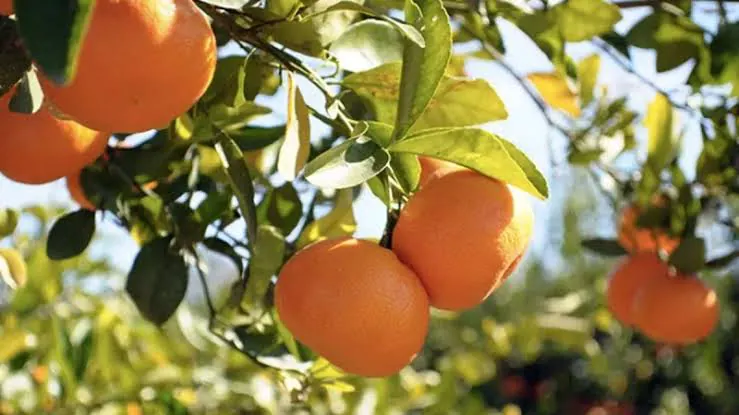
The Technical Center for Citrus Fruits, in collaboration with the Regional Commission for Agricultural Development in Ben Arous, is organizing an awareness day on Friday, September 25, 2026. The event, set to take place at the Agricultural Training Center in Mernaq, aims to educate farmers and professionals on the integrated control of the Mediterranean fruit fly and rational use of chemical pesticides in citrus groves.
The Mediterranean fruit fly, scientifically known as Ceratitis capitata, poses a significant threat to citrus and fruit crops in Tunisia and the broader Mediterranean region. The female fly lays its eggs inside the fruit, causing larvae to feed on the pulp, leading to decay and premature drop, rendering the fruit unsuitable for consumption or marketing.
This insect is particularly active during the summer and autumn seasons, with rising temperatures facilitating rapid reproduction, allowing multiple generations to emerge within a single growing season. The pest causes substantial economic losses for farmers annually, resulting from reduced yields and decreased fruit quality, emphasizing the need for integrated control strategies.
The awareness day will focus on a comprehensive approach to managing the Mediterranean fruit fly, incorporating traps, biological control, and judicious use of chemical pesticides, alongside sanitation and removal of infested fruits to limit the spread and minimize reliance on pesticides. Experts from the Technical Center will lead the discussions.
The organizers have invited farmers and sector professionals to attend the event, encouraging participation in discussions on mitigating the damage caused by this pest and optimizing the use of chemical pesticides. This initiative aims to enhance the sustainability and productivity of Tunisia's agricultural sector.
The awareness day is part of broader efforts to address agricultural challenges in Tunisia. Recent initiatives include the organization of a health caravan in the Kairouan region and the presentation of a program to provide sacrificial animals for Eid al-Adha in Zaghouan, highlighting the government's commitment to supporting the agricultural sector.
By promoting integrated pest management and sustainable agricultural practices, Tunisia's agricultural sector can reduce losses, improve crop quality, and contribute to food security and economic development. The awareness day on September 25 will provide a valuable platform for stakeholders to share knowledge and best practices in managing the Mediterranean fruit fly.
Key points
- The event aims to educate farmers on integrated control strategies for the Mediterranean fruit fly.
- The pest causes significant economic losses for farmers due to reduced yields and decreased fruit quality.
- The awareness day promotes sustainable agricultural practices to enhance sector productivity.