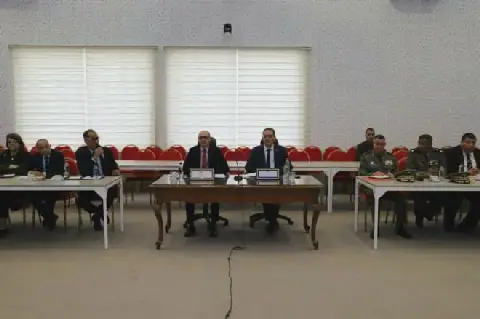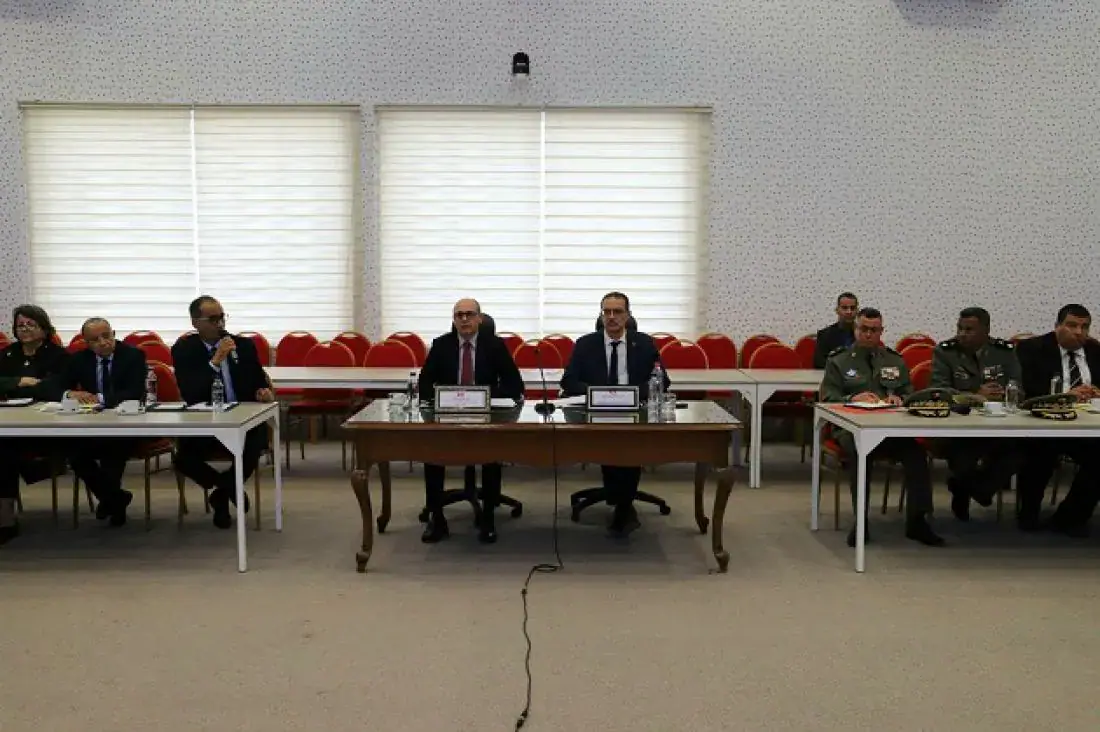
Tunisia's Minister of Agriculture, Water Resources, and Maritime Fishing, Azzedine Ben Cheikh, has urged for the rapid implementation of a project to develop the country's animal feed system. The project aims to boost local production and reduce the country's dependence on foreign markets for raw materials. The minister made the call during the opening session of a committee to study the project, organized by the National Office for Animal Feed.
The project, part of the 2026-2030 development plan, seeks to establish a comprehensive and sustainable animal feed system. This system will support the livestock sector and enhance national food security. The minister emphasized the importance of developing a local feed industry to reduce reliance on imports and promote self-sufficiency. The committee, comprising representatives from various ministries, research institutions, and private sector stakeholders, will discuss the project's components and proposed directions.
The animal feed sector in Tunisia faces several challenges, including limited local production, climate change, and degradation of pastures. These factors have led to increased reliance on imported raw materials and rising feed costs. The project aims to address these challenges by promoting local production, improving feed quality, and increasing the use of non-conventional water resources, such as treated wastewater.
The National Office for Animal Feed has proposed a development project that includes three main components: boosting local production, creating an agricultural-industrial hub using renewable energy, and establishing a comprehensive network for storage, distribution, and digital management of feed stocks. The project targets an annual production capacity of 100,000 tons of feed products and a strategic storage capacity of 60,000 tons.
The project also involves diversifying feed crops, selecting local varieties adapted to climate conditions, and promoting mixed farming. Additionally, it aims to enhance the use of agricultural by-products and food industry waste, as well as develop feed preservation and manufacturing techniques. Research and extension services will play a crucial role in improving feed quality and productivity.
Minister Ben Cheikh stressed the need for a practical and integrated approach that harnesses local resources and develops national production. He called for increased coordination and integration among stakeholders, including researchers, extension services, and producers. The minister also emphasized the importance of addressing storage, processing, and production costs to ensure the competitiveness of local feed products.
The project is expected to contribute to Tunisia's food security and economic development by reducing dependence on imported feed materials and promoting local production. The minister urged for swift implementation, mobilizing available resources and efforts from all stakeholders to achieve the project's objectives within the 2026-2030 development plan.
Key points
- The project aims to reduce Tunisia's dependence on foreign markets for animal feed and promote local production.
Reporting sources
- Jawhara FM · Jawhara FM