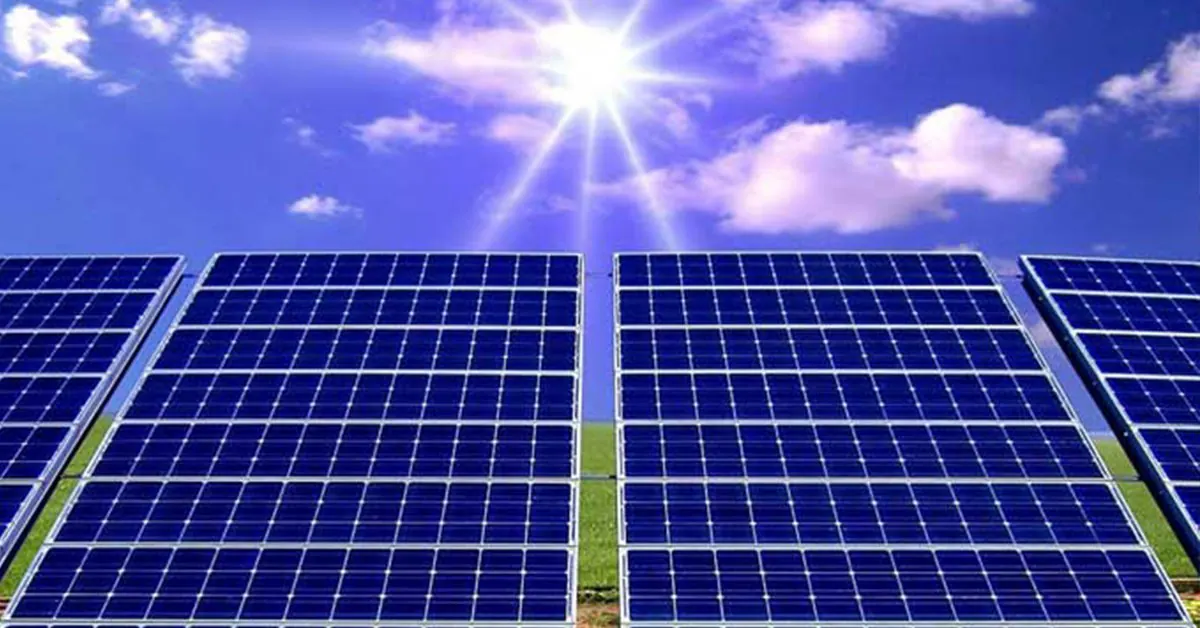
The Tunisian government has announced plans to develop a 120 MW solar power plant in the Ramada West region of Tataouine, with an estimated cost of €80 million. The project, set to be implemented on a 200-hectare site, aims to generate approximately 260 GWh of electricity per year, equivalent to the consumption of around 200,000 inhabitants. The plant is expected to reduce carbon dioxide emissions by around 130,000 tons annually.
The project, which is set to commence in the second quarter of 2027, will have a construction period of 15 to 18 months, with completion expected by the end of 2028. The solar power plant will be connected to the national electricity grid via an existing high-voltage power line linking the Borj Bourguiba substation to the Tataouine power plant. The project is also expected to create a significant number of jobs, both directly and indirectly, during the construction phase.
A study on the environmental and social impact of the project was presented during a working session held at the Tataouine governorate. The study, which was conducted in accordance with international standards, highlighted the potential environmental and social benefits of the project, including improved sustainability and social responsibility. The study is open to public comments and suggestions, which will be taken into consideration by the project's financiers.
The project is part of Tunisia's strategy to reduce its energy deficit and improve its energy independence. According to Amir El Barbangi, the governor of Tataouine, the state's strategy aims to increase the share of renewable energy in the national electricity mix. The solar power plant is expected to play a significant role in achieving this goal, while also contributing to the country's economic development.
The project will be implemented by a consortium of companies, although the names of the companies have not been disclosed. The project's financing arrangements are also underway, with the European Union and other international organizations expected to provide financial support. The project's success is seen as crucial to Tunisia's efforts to reduce its reliance on imported energy and improve its energy security.
The Tataouine region has been identified as having significant potential for solar energy production, with high levels of solar irradiance throughout the year. The project is expected to capitalize on this potential, while also providing economic benefits to the local community. The project's implementation is seen as a key step towards achieving Tunisia's renewable energy targets.
The Tunisian government has set ambitious targets for renewable energy development, aiming to increase the share of renewable energy in the national electricity mix to 30% by 2030. The Tataouine solar power plant is a key component of this strategy, and its successful implementation is seen as crucial to achieving this goal. The project is expected to serve as a model for future renewable energy projects in Tunisia.
Key points
- The project aims to generate approximately 260 GWh of electricity per year, equivalent to the consumption of around 200,000 inhabitants.
- The solar power plant is expected to reduce carbon dioxide emissions by around 130,000 tons annually.
- The project is set to commence in the second quarter of 2027, with completion expected by the end of 2028.