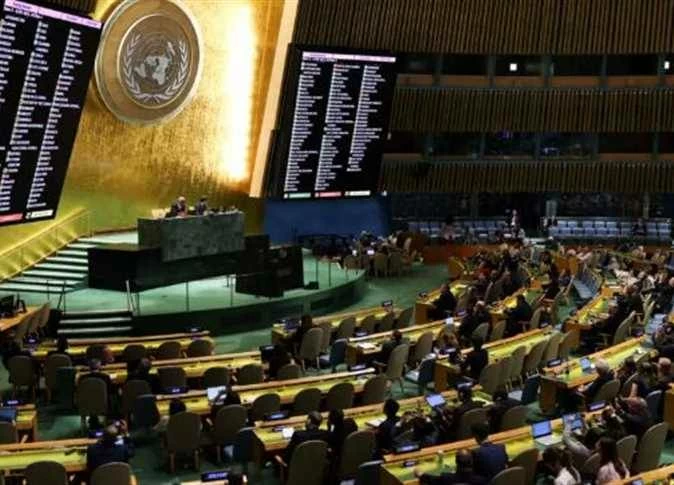
The United Nations General Assembly's 81st session commenced on September 22, 2026, with Brazil traditionally taking the floor first, following the UN Secretary-General and the Assembly's President. This tradition has been in place for over 70 years, with Brazil being the first to speak at high-level meetings. The Assembly's president, Khalil Rahman from Bangladesh, will lead the session under the theme "Restoring Trust and Managing Transition: A United Nations That Delivers Results for All."
The tradition of Brazil speaking first is not based on a written rule in the UN charter or internal regulations. Instead, it began in September 1955 during the Assembly's 10th session. According to the UN's protocol and communications circles, in the early days of high-level discussions, no country wanted to be the first speaker. Brazil intervened on several occasions, eventually taking the lead and maintaining its position ever since.
The United States, as the host country of the UN, is typically the next speaker after Brazil. The order of speaking for other member states is determined by factors such as geographical balance, level of representation, and individual country preferences. Non-member observer states and the European Union, which has observer status, are also invited to participate in the general debate.
The UN General Assembly's high-level meeting is an annual gathering of world leaders, where they deliver statements outlining their positions and priorities amid complex global challenges. This year's session takes place under the theme "Restoring Trust and Managing Transition: A United Nations That Delivers Results for All." World leaders will discuss pressing issues, including international cooperation, sustainable development, and peace and security.
Turkish President Recep Tayyip Erdogan recently called for the abolition of the veto power in the UN Security Council, stating that the current system is unfair and favors a few countries. Meanwhile, former US President Donald Trump discussed the situations in Iran, Ukraine, and the Red Sea with French President Emmanuel Macron, highlighting the need for continued international dialogue and cooperation.
The tradition of Brazil speaking first at the UN General Assembly has been maintained for over seven decades. While there is no formal basis for this tradition, it has become an established custom. Brazil's consistent participation and commitment to the UN have contributed to its position as a leading voice in international affairs.
As the UN General Assembly continues its work, world leaders will engage in discussions on key issues affecting the global community. The Assembly's outcomes and decisions will shape the future of international cooperation and the UN's role in promoting peace, security, and sustainable development. Brazil's continued leadership in this process reflects its dedication to multilateralism and global governance.
Key points
- Brazil has been speaking first at UN General Assembly high-level meetings for over 70 years, a tradition that started in 1955 with no written basis in the UN charter.