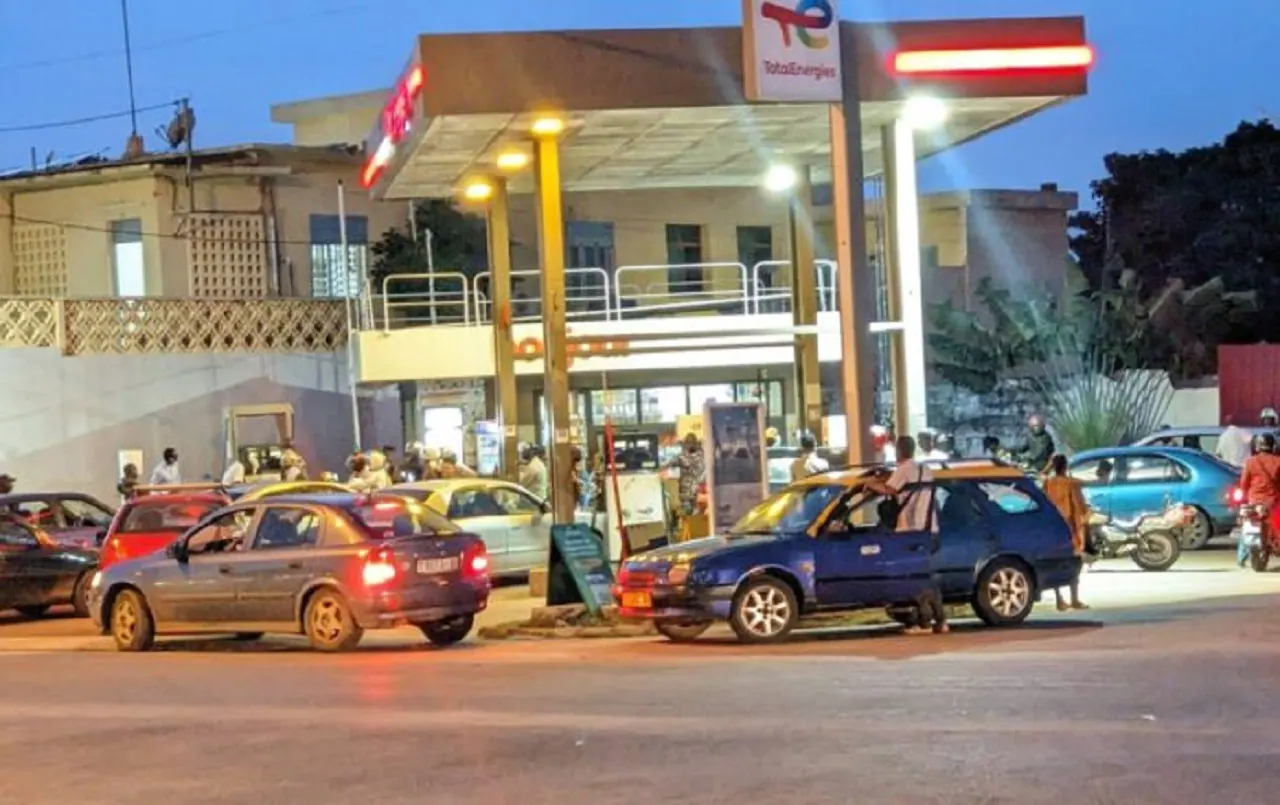
The Togolese government has increased fuel prices, effective September 11, 2026, despite concerns about the impact on the economy and citizens. According to an interministerial decree, the price of Super unleaded petrol rose from 725 FCFA to 817 FCFA per liter, while kerosene increased from 1056 FCFA to 1040 FCFA. The government did not provide any explanation for the hike, which comes just days before the start of the new school year.
This is not the first fuel price hike in Togo this year. On May 27, 2026, prices increased, with Super unleaded petrol rising from 680 FCFA to 725 FCFA per liter, and diesel from 695 FCFA to 750 FCFA per liter. The latest increase has sparked concerns about the impact on the cost of living, particularly for low-income households. The Togolese government has not announced any measures to mitigate the effects of the price hike.
The price of fuel in Togo has increased significantly over the past six years, rising from 425 FCFA in 2020 to 817 FCFA in 2026, a 92.24% increase. The government claims that the price hike is due to the evolution of international market prices, but critics argue that this does not justify the impact on citizens. The Togolese government has a history of subsidizing fuel prices, with 14.2 billion FCFA allocated for this purpose in 2026.
The Togolese government has been accused of being insensitive to the plight of its citizens, particularly in the face of rising fuel prices. The government has not provided any explanation for the price hike, and critics argue that it is not doing enough to support low-income households. The fuel price hike has also raised concerns about the impact on the economy, particularly in the transport and agriculture sectors.
The Togolese economy is heavily dependent on imported goods, and the fuel price hike is likely to increase the cost of transportation and logistics. This could have a ripple effect on the economy, particularly for small businesses and low-income households. The government has not announced any measures to support these groups, which could exacerbate the impact of the price hike.
The fuel price hike has also raised concerns about the government's commitment to implementing the "truth of prices" policy, which aims to ensure that fuel prices reflect the real cost of production and distribution. Critics argue that the government has not done enough to implement this policy, and that the fuel price hike is a further example of its failure to prioritize the interests of citizens.
The Togolese government faces criticism for its handling of the fuel price hike, with many arguing that it is not doing enough to support low-income households. The government must balance the need to implement economic reforms with the need to protect the interests of its citizens.
Key points
- The Togolese government increased fuel prices on September 11, 2026, despite concerns about the impact on the economy and citizens.
- The price of fuel in Togo has increased significantly over the past six years, rising from 425 FCFA in 2020 to 817 FCFA in 2026.
- The government has allocated 14.2 billion FCFA for fuel subsidies in 2026, but critics argue that this is not enough to mitigate the impact of the price hike.