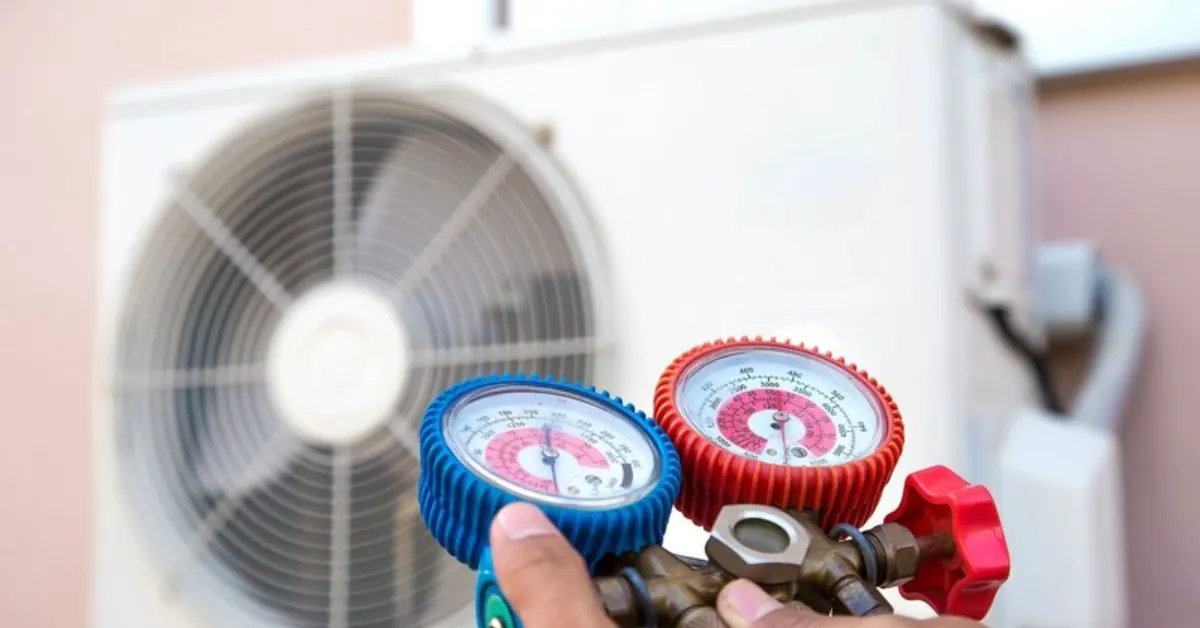
Tunisia is set to strengthen its strategy to eliminate greenhouse gases from the refrigeration sector by banning the import and manufacturing of certain equipment that use hydrofluorocarbons, effective January 1, 2027. This move is part of the country's commitment to reduce emissions and mitigate climate change. The banned equipment includes household split air conditioners, cooled water dispensers, household freezers, and refrigerators that use hydrofluorocarbons.
The decision is in line with the Kigali Amendment to the Montreal Protocol, which aims to reduce the global consumption of hydrofluorocarbons by 80-85% by 2047. Tunisia has already made progress in reducing its consumption of hydrochlorofluorocarbons, with a 70% decrease in 2025 compared to the reference level. This reduction has resulted in the avoidance of 917,670 tons of CO2 equivalent emissions.
The Tunisian government has prepared a draft decree that outlines the banned equipment and sets a new standard for the production of household split air conditioners, which will use R-32, a more environmentally friendly refrigerant, starting in 2027. R-32 is considered a good alternative due to its high energy efficiency and low environmental impact.
The country's industrial sector has also made significant strides in reducing emissions. The conversion of the production line of cooled water dispensers to natural refrigerant R-600a by Sicad Coala has avoided at least 5,720 tons of CO2 equivalent emissions per year. This achievement demonstrates Tunisia's commitment to sustainable practices and reducing its carbon footprint.
To support the transition to more environmentally friendly refrigeration systems, the Tunisian government has secured funding for the third phase of the Hydrochlorofluorocarbon Management Plan (2026-2030). The plan, worth $1.33 million, will be supported by an Italian contribution of $350,000 and will focus on capacity building and training for technicians and customs officials.
The training program aims to enhance the skills of 52 technicians and 200 customs officials, including 100 women, in handling natural and non-flammable refrigerants safely. This initiative will help ensure a smooth transition to more sustainable refrigeration systems and reduce the risk of accidents and environmental damage.
The implementation of the Kigali Amendment and Tunisia's efforts to reduce hydrofluorocarbon emissions are expected to have a significant impact on mitigating climate change. If fully implemented, the amendment could prevent up to 1°C of global warming by the end of the century, making it a crucial step towards a more sustainable future.
Key points
- Tunisia to ban the import and manufacturing of certain cooling equipment using hydrofluorocarbons, starting January 1, 2027.
- The country's efforts to reduce emissions are in line with the Kigali Amendment to the Montreal Protocol.
- The implementation of the amendment could prevent up to 1°C of global warming by the end of the century.