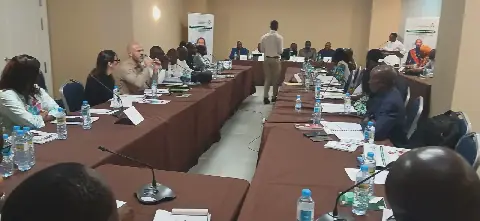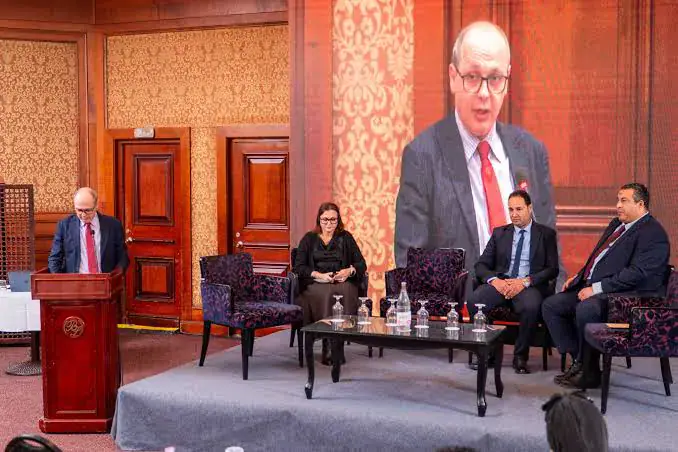
Tunisia is pushing forward with its efforts to promote a sustainable maritime economy, with a focus on decarbonizing marine activities and ports. On November 26, 2026, the country's Ministry of Agriculture, Water Resources, and Maritime Fishing organized an information day to explore innovative solutions to reduce carbon emissions and promote energy efficiency in the maritime sector. The event was attended by representatives from national and international institutions, experts, researchers, and partners.
The information day was held under the project GREENMEDPORTS, which is funded by the Interreg NEXT MED program. The project aims to support the transition to a sustainable maritime economy and reduce the environmental impact of maritime activities. Tunisia's Minister of Agriculture, Water Resources, and Maritime Fishing emphasized the importance of accelerating the transition to a sustainable maritime economy, highlighting the sector's role as a key pillar of the blue economy and a source of wealth, employment, and food security.
The maritime sector faces several challenges, including high energy costs, climate change impacts on marine resources, and the need to improve energy efficiency. To address these challenges, the Ministry is supporting initiatives to promote the use of renewable energy, develop port infrastructure, and leverage digital solutions to reduce resource consumption and minimize the environmental impact of maritime activities. The experience of the fishing port of Jerjis, which is part of the GREENMEDPORTS project, was highlighted as a successful example of a green port.
The information day provided an opportunity for participants to share experiences and expertise on various topics, including Mediterranean cooperation, decarbonization of transport and maritime activities, energy transition, and digitalization. The event also showcased innovative solutions and financing mechanisms available to support sustainable projects. Participants emphasized the need to translate recommendations and proposals into concrete, implementable projects that can enhance the resilience of ports and maritime activities to climate change.
The event concluded with a call to continue coordination and cooperation among national and international partners to support Tunisia's transition to a sustainable maritime economy. The country's efforts to develop a more sustainable blue economy are part of a broader Mediterranean initiative to promote environmentally friendly maritime activities. The Ministry of Agriculture, Water Resources, and Maritime Fishing reaffirmed its commitment to supporting initiatives that promote energy efficiency, renewable energy, and sustainable development in the maritime sector.
The GREENMEDPORTS project is a key component of Tunisia's strategy to promote a sustainable maritime economy. The project aims to reduce carbon emissions and promote energy efficiency in ports and maritime activities, while also supporting the development of green ports. By leveraging innovative solutions and digital technologies, Tunisia aims to minimize the environmental impact of its maritime sector and promote sustainable economic growth.
Tunisia's efforts to promote a sustainable maritime economy are driven by the need to balance economic growth with environmental protection. The country's maritime sector plays a critical role in its economy, and the government is committed to ensuring that it develops in a sustainable and environmentally friendly manner. By supporting initiatives like GREENMEDPORTS, Tunisia is taking concrete steps to reduce its carbon footprint and promote a more sustainable future for its maritime sector.
Key points
- Tunisia hosts information day on decarbonizing marine activities and ports
- The country aims to promote a sustainable maritime economy and reduce carbon emissions
- The GREENMEDPORTS project is a key component of Tunisia's strategy to promote a sustainable maritime economy