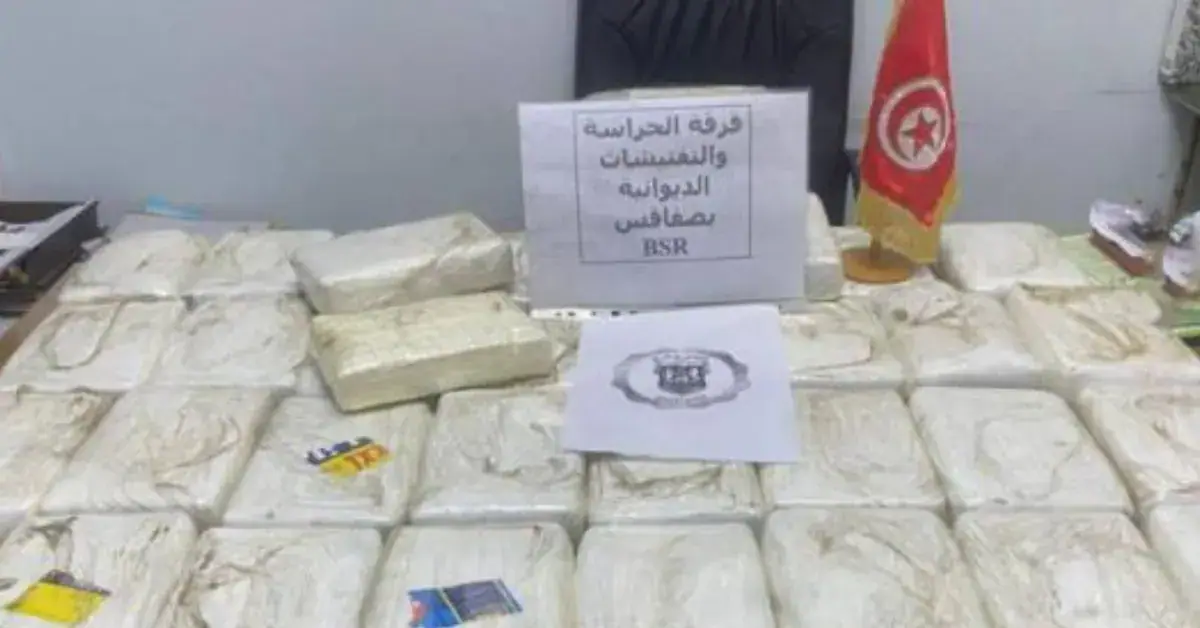
Tunisia has witnessed a steady increase in cocaine seizures over the past few years, with authorities seizing over 101 kilograms of the drug in the first nine months of 2026, compared to 94 kilograms in all of 2025 and 33 kilograms in 2024. According to officials, the rise in seizures is attributed to increased trafficking through the country's borders, particularly with Libya.
The increase in cocaine seizures in Tunisia is part of a broader trend in North Africa, where the region has become a major transit point for cocaine smuggling into Europe. According to a report by the United Nations Office on Drugs and Crime, North Africa is now the second-largest market for cocaine in the world, after North America. The report notes that cocaine is being smuggled into the region through various routes, including through Libya, which has become a major hub for trafficking.
The Libyan border has been identified as a major entry point for cocaine into Tunisia, with authorities seizing large quantities of the drug in recent years. In February 2026, Tunisian authorities seized around 30 kilograms of cocaine at the Ras Jedir border crossing with Libya, in one of the largest seizures of the drug in recent years. The cocaine is believed to have been smuggled into Libya through various routes, including by sea and by land through the Sahel region.
According to the UN report, cocaine is being smuggled into Libya through two main routes: by sea, with large shipments arriving directly from Ecuador, Colombia, and Brazil, and by land, with cocaine being transported from West Africa through the Sahel region. The report notes that armed groups in the Sahel region are providing protection to vehicles and trucks carrying cocaine in exchange for payments or a share of the drugs.
The increase in cocaine seizures in Tunisia has also been attributed to a shift in smuggling routes, with traffickers now using new routes to evade detection. According to European reports, organized crime networks have increased their use of West African and North African routes to smuggle cocaine into Europe, following increased security measures at major European ports. This has led to a "reverse flow" of cocaine from European ports into Tunisia and other North African countries.
The rise in cocaine seizures in Tunisia has significant implications for the country's authorities, who are struggling to combat the growing threat of organized crime. According to officials, the increase in cocaine trafficking is also driving up prices in Tunisia, making it more attractive for traffickers to smuggle the drug into the country. The authorities are calling for increased international cooperation to combat the threat, including through joint investigations and intelligence sharing.
Key points
- Tunisia has seen a significant increase in cocaine seizures in recent years, with authorities attributing the rise to shifts in smuggling routes and increased trafficking through the country's borders with Libya.