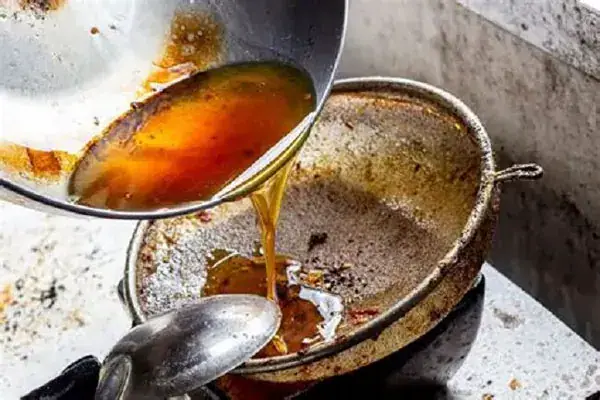
In Benin, a local company called AMAVI is collecting and processing used cooking oil from hotels and restaurants, transforming it into useful products such as soap and biofuel. This initiative is helping to reduce environmental pollution and explore the potential of renewable energy. The company's efforts have been recognized as a significant step towards mitigating the environmental and health impacts of used cooking oil. AMAVI's operations are based in the Ouedo-Kpossidja locality, about 40 km north of Cotonou, Benin's economic capital.
According to Carmel Djiha, founder of AMAVI, consuming used cooking oil is harmful to human health and can cause cancer and respiratory problems in the long term. Improper disposal of used cooking oil can also contaminate soil and disrupt aquatic ecosystems. To address this issue, AMAVI has partnered with over 100 restaurant operators to collect their used cooking oil. The collected oil undergoes several stages of filtration and settling to remove water and solid residues.
Once processed, the used cooking oil is converted into soap or biofuel for use in power generators and agricultural machinery. Since launching operations in 2023, AMAVI has collected and recycled more than 150,000 liters of used cooking oil. This achievement demonstrates the company's commitment to reducing environmental pollution and promoting sustainable practices.
Benin has had legislation governing the management of used oil since 2003. The regulations prohibit the disposal or discharge of used oil in places where it could pollute the environment, including soil, surface water, groundwater, and sewage systems. Burning used oil in unauthorized facilities is also prohibited. AMAVI's efforts are in line with these regulations, and the company is helping to channel used cooking oil into productive uses.
AMAVI's initiative has also opened the door to international cooperation. The company has signed a partnership agreement with Chinese company Henan Hengyong, which supplies oil-processing equipment and provides technical training for AMAVI employees. This partnership is expected to enhance AMAVI's capacity to process used cooking oil and produce high-quality products.
Looking ahead, AMAVI plans to industrialize its biodiesel production by 2030, targeting a daily output of more than three tonnes. This initiative is expected to strengthen the company's contribution to environmental protection and public health while helping reduce greenhouse gas emissions. The company's goal is to make a significant impact on the environment and promote sustainable practices in Benin.
The success of AMAVI's initiative highlights the potential for innovative solutions to environmental challenges in Africa. By transforming used cooking oil into valuable products, AMAVI is demonstrating that waste can be turned into a resource. The company's efforts serve as a model for other businesses and organizations seeking to promote sustainability and reduce environmental pollution.
Key points
- AMAVI has collected and recycled over 150,000 liters of used cooking oil since 2023.
- The company plans to industrialize its biodiesel production by 2030, targeting a daily output of more than three tonnes.
- AMAVI's initiative has opened the door to international cooperation, including a partnership with Chinese company Henan Hengyong.