Tunisia is grappling with a significant breast cancer burden, with approximately 4,500 new cases diagnosed annually. The country's healthcare system is bracing for a projected increase to around 6,000 cases by 2030. This surge is attributed to demographic changes, including an aging population. The Tunisian Association for Breast Cancer Patients, led by Dr. Khaled Al-Rahal, is at the forefront of efforts to address this growing health concern.
Dr. Al-Rahal emphasized the critical importance of early detection in improving treatment outcomes and reducing the risk of disease progression. He noted that detecting breast cancer at a very early stage can lead to a 100% recovery rate, often eliminating the need for chemotherapy. This underscores the need for regular screening and awareness campaigns to encourage women to prioritize their health.
The impact of breast cancer in Tunisia extends beyond the health sector, with the annual cost of medications for treating the disease exceeding 200 million dinars. This financial burden is expected to rise with the introduction of new, expensive treatments. The association is working to mitigate these costs through early detection and prevention initiatives.
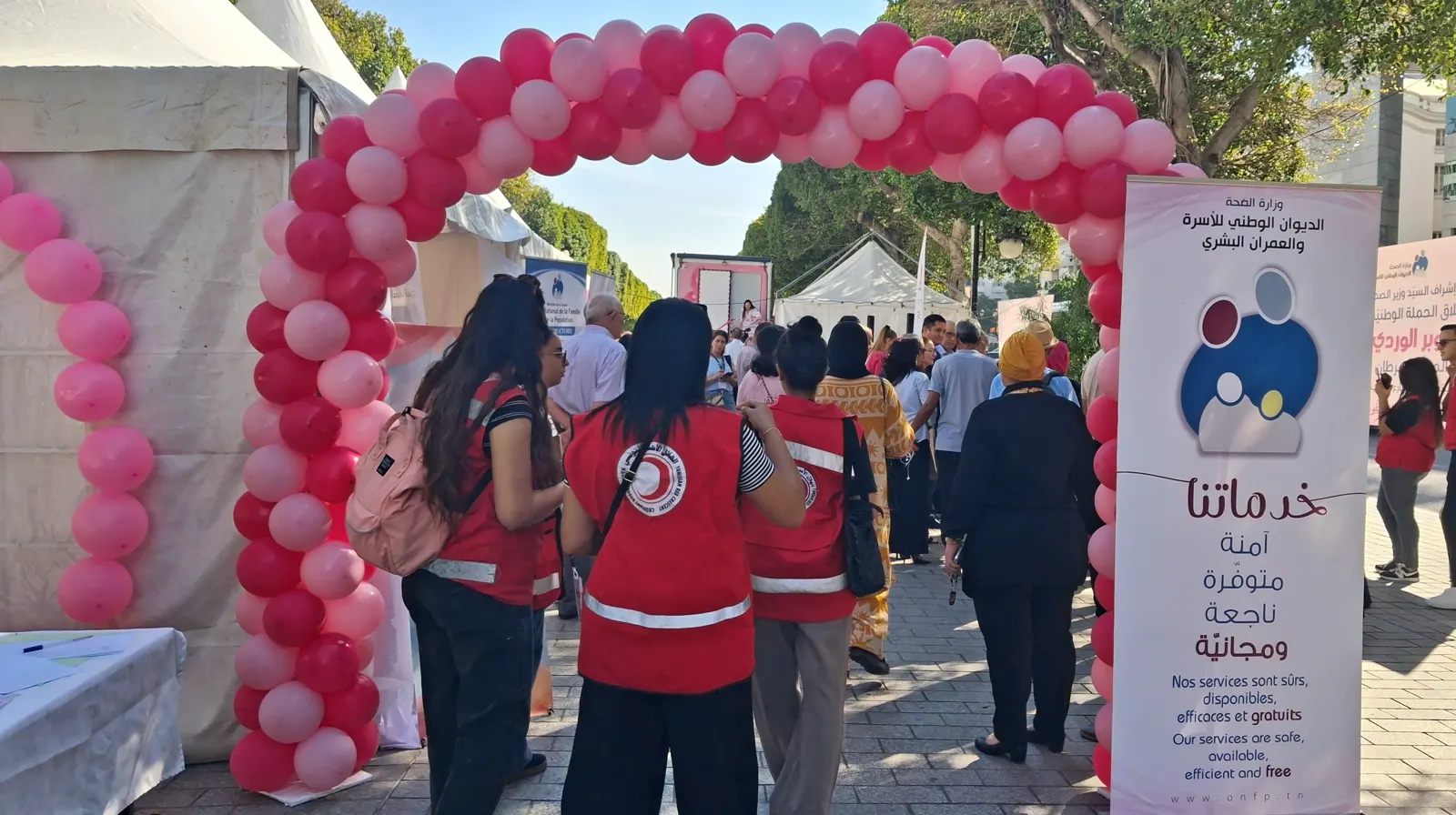
The Tunisian Association for Breast Cancer Patients is actively engaged in promoting awareness and providing support to those affected. Through its "pink October" campaign, the organization conducts screening drives and health education programs. These efforts have led to the detection of around 15 cases of breast cancer per 100 women screened, often at an early stage.
The association's activities go beyond screening, offering financial assistance to patients with white or yellow treatment cards, as well as psychological support throughout the treatment process. By providing a holistic approach to care, the organization aims to improve the quality of life for breast cancer patients in Tunisia.
Breast cancer affects not only older women but also younger individuals, with around 10-11% of cases occurring in women under 35 in Tunisia, compared to 2-4% in some Western countries. This highlights the need for targeted awareness and screening programs to reach younger women and promote early detection.
The association's efforts are complemented by partnerships with healthcare providers and community organizations. By working together, these stakeholders aim to promote a culture of health awareness, encouraging women to adopt healthy lifestyles, engage in regular screening, and reduce risk factors such as obesity.
Key points
- Early detection can lead to a 100% recovery rate from breast cancer.
- Tunisia is projected to see 6,000 breast cancer cases by 2030.
- The annual cost of breast cancer medications in Tunisia exceeds 200 million dinars.