Tunisia's summer 2026 was the hottest on record since temperature records began in 1950, according to the National Meteorological Institute. The average temperature was about 2.9 degrees Celsius higher than the previous record. The country's weather authority attributed the extreme heat to climate change, citing multiple heatwaves, water shortages, and power cuts that affected the nation.
The highest temperature was recorded in the central city of Kairouan, which reached 49.7 degrees Celsius in mid-July. Other regions also experienced high temperatures, with Beja in the northwest reaching 49.2 degrees Celsius and Tozeur in the south reaching 48.4 degrees Celsius. The heatwaves were marked by persistently high nighttime temperatures, adding to the discomfort and health concerns for residents.
The heatwaves had a significant impact on the health of Tunisian citizens, with a group representing young Tunisian doctors reporting numerous deaths caused by the heat. The Tunisian League for Human Rights documented 23 deaths in prisons, citing harsh conditions worsened by the high temperatures and overcrowding in cells. Authorities have yet to provide official figures on the health impact of the heatwaves.
The extreme heat led to frequent power cuts, which sometimes lasted more than 10 hours, including in the capital. President Kais Saied attributed the outages to "criminal plans" and "attempts at provocation," rather than ordinary breakdowns. State-run electricity company STEG claimed the power cuts were used for load shedding to ease pressure on its network.
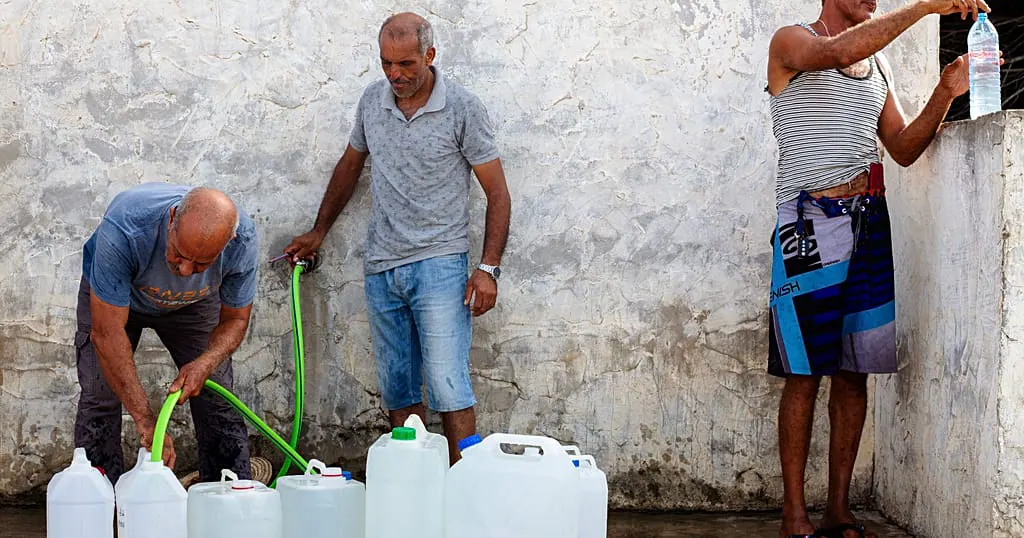
The power cuts also disrupted water supplies, as much of Tunisia's water depends on electric pumps. Water cuts became frequent, and a shortage of bottled water was reported, also linked to the power outages. Residents were forced to find alternative means to access basic necessities, with some filling containers with drinking water in anticipation of future shortages.
The crisis highlighted the vulnerability of Tunisia's infrastructure to extreme weather conditions. The government's response to the crisis has been scrutinized, with some questioning the effectiveness of its measures to mitigate the impact of the heatwaves. The situation has also raised concerns about the country's preparedness for future climate-related events.
As Tunisia continues to grapple with the aftermath of its hottest summer on record, the National Meteorological Institute's findings serve as a stark reminder of the need for climate resilience and adaptation measures. The country's experience underscores the importance of addressing climate change and its impacts on human health, infrastructure, and the economy.
Key points
- Tunisia's summer 2026 was 2.9°C higher than the previous record.
- The highest temperature recorded was 49.7°C in Kairouan.
- 23 deaths were reported in prisons due to harsh conditions worsened by heat.